Biocracked
←

Peptides

6 articles
Approach: macro science with a conceptual twist. Palette: bold color field.

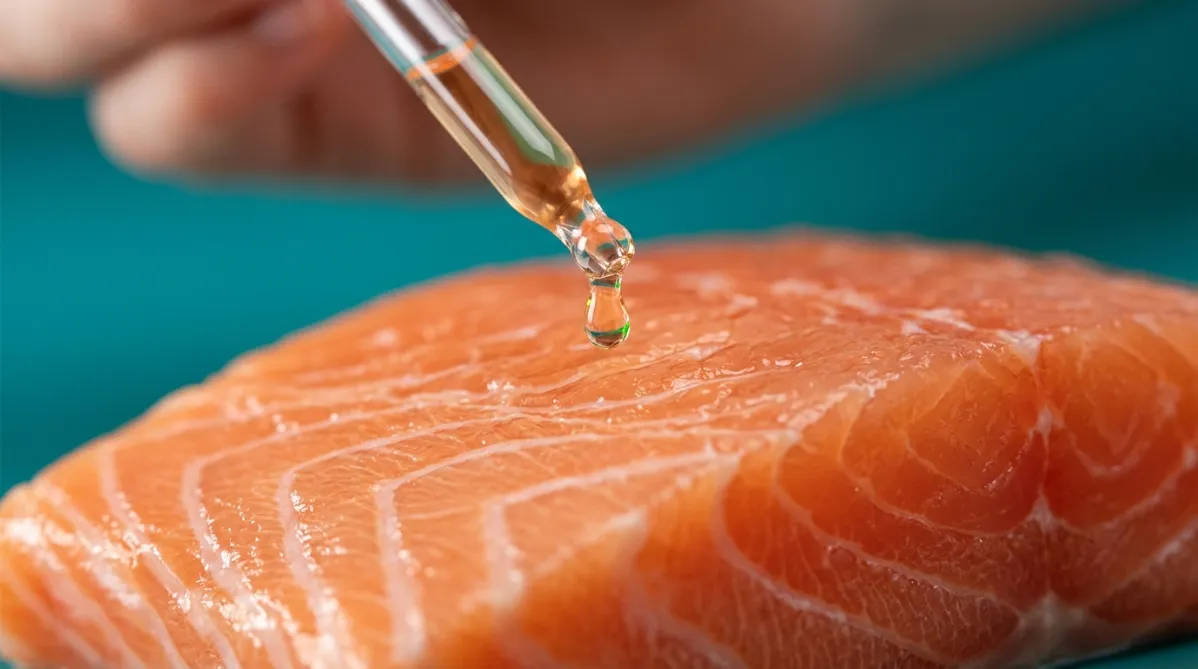
Extreme close-up, slightly high three-quarter angle, of a raw salmon fillet's translucent coral flesh, with a glass pipette releasing a single droplet of pale amber peptide solution onto the muscle fibers. Glistening myotome layers and fine white connective lines are sharp in the foreground, with shallow depth of field melting the rest. The salmon sits on a saturated teal backdrop, so the orange-pink flesh contrasts strongly with it. Soft, large-source studio light from upper left gives crisp specular highlights on the droplet and moist fibers, with gentle neutral shadows. A tiny electric green reflection glints inside the droplet. The mood is precise, fresh and curious, like a food-science lab photograph. Photorealistic, with no text.
peptides

Peptid na Salmon da Whey: +13 % Ferritin Cikin Mako 8 (Gwajin Farko kan Mutane 14)

BY NOVA CHEN ·

Wani kananan gwaji da aka gudanar a Norway ya gano cewa shan gram 12 na hydrolysate furotin na salmon a kowace rana na tsawon makonni takwas ya ƙara ferritin da kusan kashi 13 % da ƙwayoyin jini ja da kashi 7 % idan an kwatanta da whey protein. Sakamakon ya kuma nuna ragin kumburi, ingantaccen sukari a jini, da canje‑canjen yanayin jiki. Amma gwajin ya ƙunshi mutane 14 kacal, kuma kamfanin da ya samar da samfurin ne ya tallafa masa, don haka sakamakon ba zai zama hujja ba, alama ce kawai.
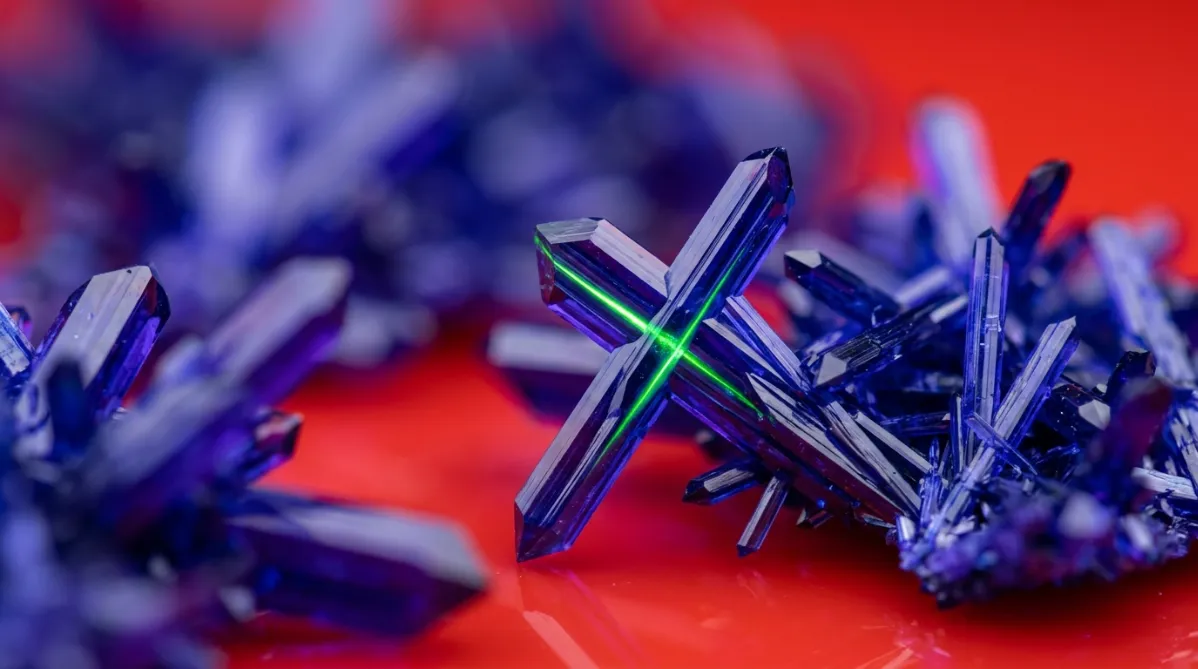
Macro science: an extreme close-up of GHK-Cu copper peptide crystals, deep blue-violet needle-like crystals with faceted edges, shot at a low three-quarter angle with a shallow depth of field so the nearest crystals are razor sharp and the rest dissolve into soft blur. The crystals sit on a smooth, glossy tomato-red backdrop that fills the frame, creating a bold color field. Lighting is a single large softbox from the upper left, giving crisp specular highlights on the crystal faces and a soft, warm-red bounce in the shadows. One tiny thread of electric green light refracts through a single crystal edge as a subtle accent. Mood: striking, precise, curious, scientific without feeling sterile. Photorealistic microscopy-meets-studio look, no text, no labels, no people.
peptides

Peptide GHK‑Cu Na Iya Daidaita Hanyoyin Kwayoyin Halitta Don Gyaran Fata

BY NOVA CHEN ·

GHK‑Cu, peptide mai ɗauke da ƙarfe da ake samu a cikin yawancin serum, na iya yin fiye da sanya fata ta riƙe ruwa. Binciken da aka wallafa a 2018 ya nuna cewa bayanan fitar da kwayoyin halitta na iya bayyana yadda wannan ƙwayar ƙanana ke taimakawa wajen ƙirƙirar ƙolajen, gyaran sel, rage kumburi, har da gyaran DNA. Wannan shi ne ainihin abin da takardar ke magana akai game da tsufar fata, sabunta ta, da iyakokin hujjojin da ke akwai. Kafin ka yarda da tallan ƙwarai, karanta ƙuntatawar da suka shafi amfani da su a kan fata da abin da binciken zai iya ko ba zai iya tabbatarwa ba.
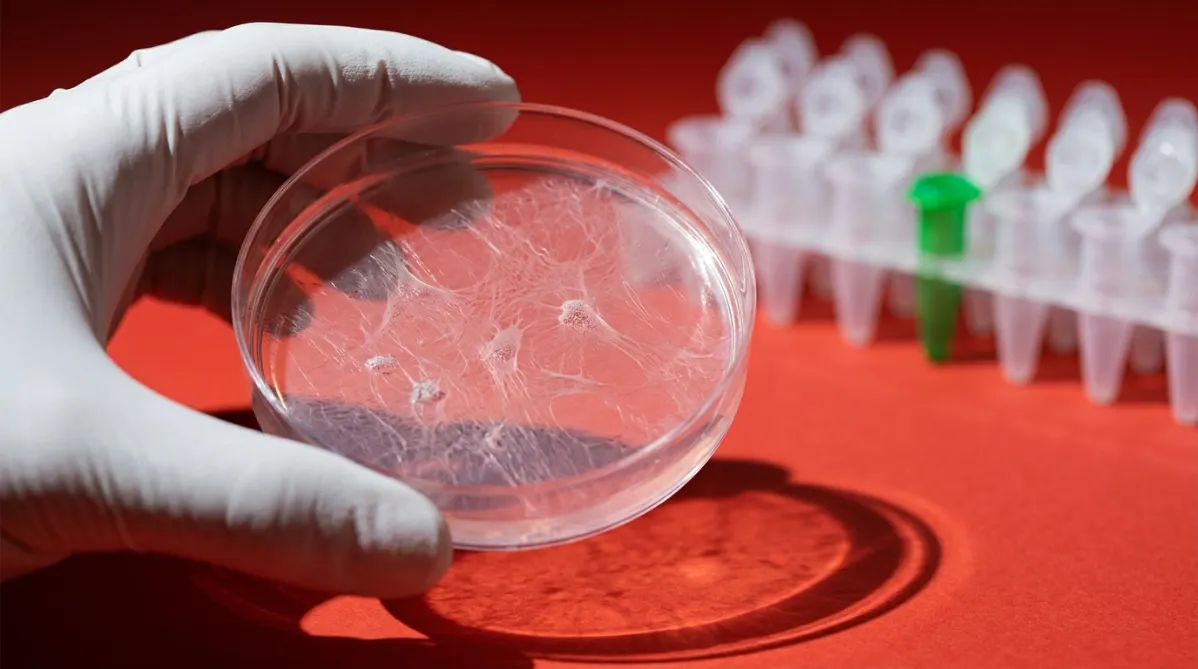
Approach: Lab in action. Palette: D, bold color field.

A gloved hand holds a clear petri dish at a slight low angle, close and slightly above eye level, against a saturated tomato-red backdrop. Inside the dish, a thin, translucent layer of pale pink culture medium holds a faint, lacy web of fibroblast cells, with a few small clusters just visible. Hard, clean studio light from the upper left throws a crisp curved shadow of the dish onto the red surface and picks out bright highlights on the rim and the glove's matte white nitrile. In the soft-focus background, a rack of empty microcentrifuge tubes stands out in cool white. One tiny electric green cap on a single tube adds a small accent. The mood is precise and skeptical: a promising result still confined to the dish.
peptides

Epithalon Na Kunnawa Telomerase a Kwayoyin—Ba a Mutane

BY HELIX WARD ·

Epithalon, peptide mai ƙwayoyin amino huɗu da aka ce yana kunna telomerase, an nuna yana tsawaita telomeres a ƙwayoyin ɗan adam a dakin gwaje‑gwaje. Sai dai binciken ya yi a kan fibroblasts na jariri a cikin tukunya, ba a kan mutane ba, kuma babu hujja da ke tabbatar da cewa hakan zai tsawaita rayuwar ɗan adam.
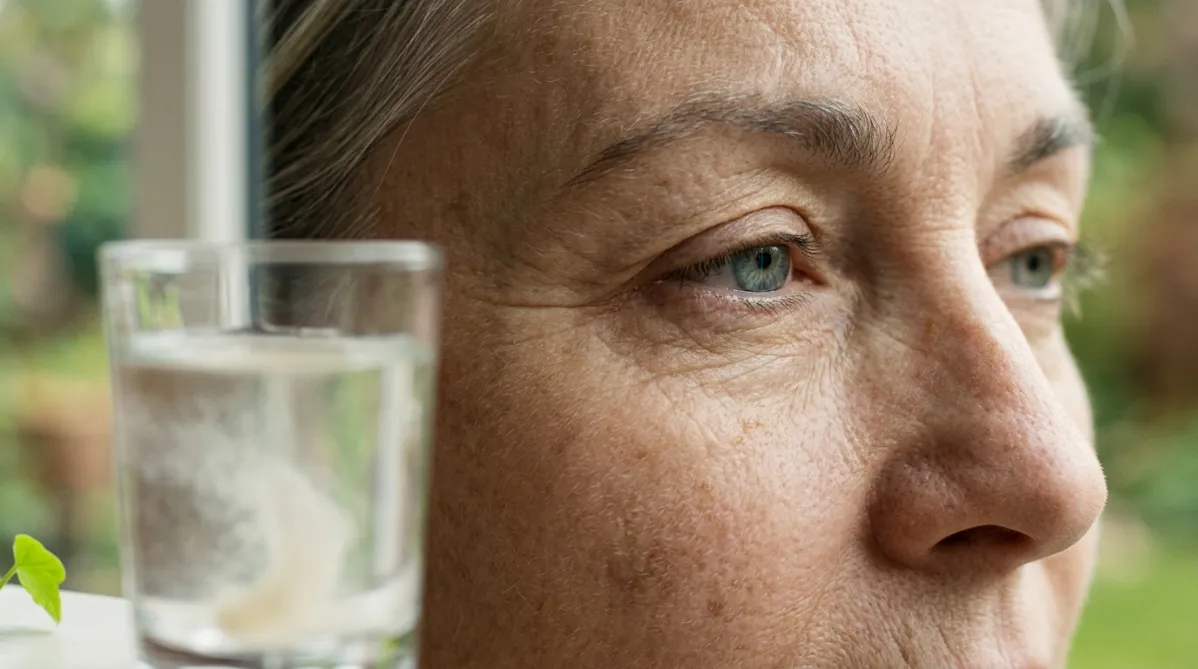
Approach: the human outcome. Palette: natural.

Extreme close-up of a woman's eye and the delicate skin around it, shot from a slight three-quarter angle with a 100mm macro lens and a shallow depth of field. Her skin is a mature 50s complexion with fine crow's feet that are sharp and tactile, with visible pores and soft vellus hairs. Her gaze is relaxed and not at the camera, and the face is cropped so identity isn't the focus. Soft, directional window daylight rakes across the skin from the left to bring out the wrinkle texture, with gentle warm skin tones and a blurred leafy green background outdoors. A single glass of water with a faint dissolving powder swirl sits out of focus in the foreground, with a tiny electric green leaf highlight at the edge. The mood is calm, honest and quietly scientific.
peptides

Gram 2.5 na Peptide Collagen Ya Rage Tabon Idanu da Kashi 20% Cikin Makonni 8

BY NOVA CHEN ·

Collagen ɗaya daga manyan abubuwan da ake nema a fannin kwalliya da tsawon rai, amma mafi yawan samfuran suna da takardun placebo ne kawai. A wani gwaji da mata 114 masu shekaru 45‑65 suka halarta, gram 2.5 na takamaiman peptide mai aiki Verisol ya rage ƙyallin tabon idanu da kashi 20 % idan aka kwatanta da placebo bayan makonni 8. Biopsies sun nuna ƙaruwa a procollagen I da kashi 65 % da elastin da kashi 18 %, yayin da ƙaruwa a fibrillin (6 %) ba ta da muhimmanci.
A wide, editorial-style still life photographed from slightly above on a pale warm-gray stone surface, lit by soft diffused morning light from the left. At the center, a delicate chain of 16 small, glossy beads in alternating muted terracotta, sage green, and cream is arranged in a gentle S-curve, each bead slightly different in size, like a hand-strung necklace. It stands for a peptide chain in a tactile, abstract way. Beside the chain, a translucent glass petri dish holds a thin layer of pale amber liquid with a few soft ripples. Behind it, a cross-section of a ripe fig and a halved blood orange show their intricate internal textures, suggesting cellular structure and mitochondria without literal illustration.

On the left side of the frame, a small ceramic mouse figurine in matte off-white sits calmly next to a sprig of dried wheat. It is a subtle nod to the mouse study and is stylized and minimal, not cartoonish. On the right, an open, softly blurred notebook with thin hand-drawn circles and curved lines, like looping pathway diagrams, lies under a brass pen. A few pages are visible but the text is illegible.

Scatter a few elements for texture: a small sprig of eucalyptus, a folded linen napkin in oatmeal tone, and a single clear glass pipette resting diagonally across the lower foreground. The palette is warm neutrals with accents of sage, terracotta, and soft amber, giving a calm, modern wellness-journal look. Shallow depth of field keeps the bead chain crisp while the background gently dissolves into creamy bokeh. Generous negative space across the upper right leaves room for headline overlay. The overall mood is clean, contemporary, and intellectually curious: scientific but warm, like a premium health and science magazine cover, with fine grain, natural shadows, and no text, logos, or futuristic elements.
peptides

MOTS‑c: Peptaid ɗin Mitochondria Mai Ƙwayoyin 16 da Ke Kunna AMPK Kuma Yana Kariya Daga Kiba Da Rashin Juriya Ga Insulin

BY DR. SYNAPSE ·

Peptaid ɗin MOTS‑c mai ƙwayoyin 16 wanda ake samu a cikin mtDNA ya ƙunshi siginar da ke kunna AMPK a tsokar ƙashi, tare da rage rashin juriya ga insulin da kiba da abinci mai kitse, a cewar wani binciken *Cell Metabolism* na 2015. Duk da cike da sha‑sha a sashen peptides da bio‑hacking, ƙididdigar ta ta’allaka ne kan beraye da kwayoyin ƙwaya, ba a gwada a kan mutane ba, kuma ba a amince da MOTS‑c a matsayin magani ba. Wannan labarin zai fayyace menene MOTS‑c, yadda yake aiki, abin da gwaje‑gwajen beraye suka nuna, da kuma abubuwan da ba za a ɗauka a matsayin hujja ba.
A wide, editorial-style still life photographed in soft natural window light on a pale oatmeal-colored linen surface. In the center foreground, a single small amber glass vial with a matte white cap sits slightly off-center to the right, unlabeled and minimal. Beside it lies a delicate, translucent skein of tendon-like fibers, rendered as fine pale ivory threads gently fanning out and twisting together, resting on a folded sheet of cream paper. To the left, a glass petri dish with a thin layer of soft blush-pink liquid, catching a subtle highlight, and a slim pair of stainless steel tweezers laid diagonally across the surface.

Behind the objects, a softly blurred background in muted sage green and warm taupe suggests a quiet laboratory shelf, with out-of-focus glassware shapes and a single trailing sprig of eucalyptus adding an organic note. A thin, hand-drawn style line diagram of interconnected nodes and curved arrows, in faint terracotta ink, is printed on the paper beneath the fibers. It hints at a cellular signaling pathway without any text or readable labels.

The composition uses generous negative space on the left third for potential title overlay, with a shallow depth of field and a gentle diagonal flow from the petri dish to the vial. The color palette is restrained and warm: cream, sage, blush, amber, and terracotta accents, with soft shadows and a faint film-grain texture. The mood is calm, thoughtful, and scientific but approachable, like a contemporary health and science magazine cover. Shot as if with a 50mm lens at f/2.8, top-down at a slight 30-degree angle, with crisp focus on the vial and fibers. No people, no text, no futuristic elements.
peptides

BPC-157 da Gyaran Tsokar Jiki: Abin da Binciken FAK‑Paxillin ke Nuna, da Abin da Bai Nuna ba

BY DR. SYNAPSE ·

BPC‑157, wani peptide mai ɗauke da kwayoyin amino 15, da ake tallata shi a yanar‑gizo a matsayin “magani,” yana da wani bincike na 2011 da aka fi ambatarsa wajen warkar da raunukan tsoka. Masana sun gano cewa peptide ɗin yana hanzarta fitowar fibroblast daga tsoka, yana ƙara tsawon rayuwar sel a yanayin ƙona‑oxidative, kuma yana inganta motsi—alamar da ke nuna kunna hanyar FAK‑paxillin. Sai dai ba ya ƙara yawan sel kai tsaye, kuma duk sakamakon an samo su ne daga gwaje‑gwajen beraye a dakin gwaje‑gwaje. Wannan rubutun ya bayyana hanyoyin aiki, ya nuna dalilin da ya sa ba a ɗauke shi a matsayin hujja ga mutane ba, sannan ya tantance matsayin doka na peptide da ba a amince da shi ba.

This page is available in