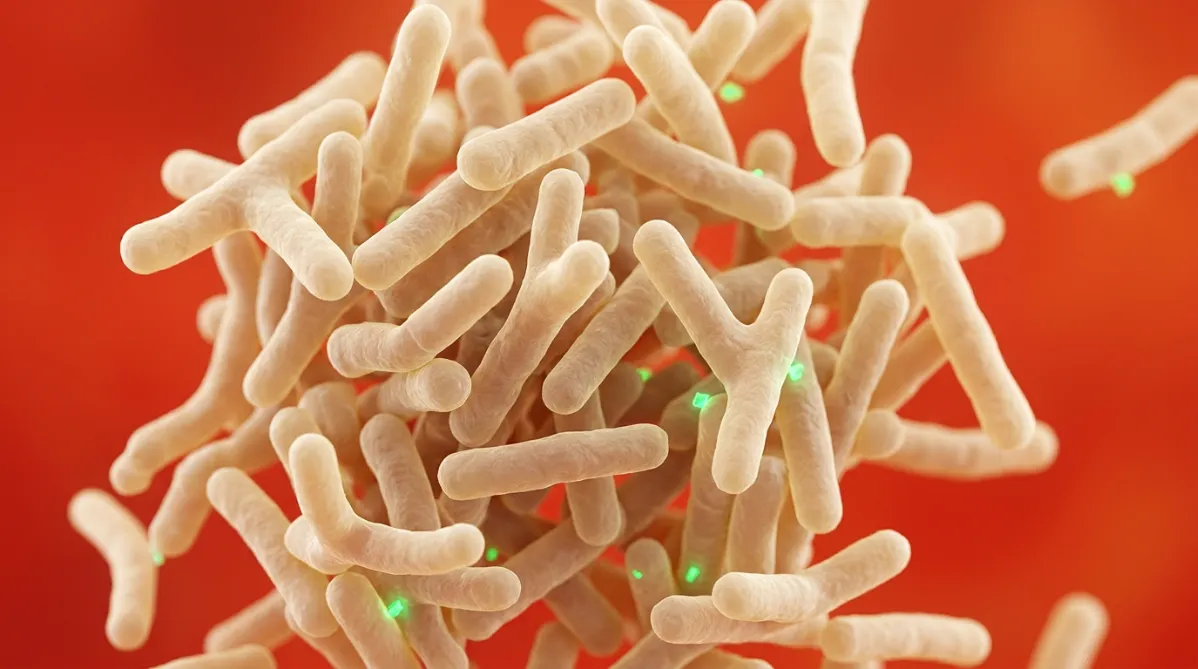
This Gut Microbe Makes 5-AVAB, a Molecule That Tamed Inflammaging
A gut microbe that quietly vanishes as we age may be doing more than anyone realized. A new Nature Aging study identifies Bifidobacterium pseudocatenulatum as consistently depleted across older adults in multiple Chinese cohorts. In naturally aged mice, giving it orally eased multiorgan inflammaging and extended healthspan. The team traced part of the effect to a metabolite called 5-AVAB, which also declines with age in humans. Here is what the study showed, what remains unproven in people, and how to read the hype responsibly.
Taurine Rises With Age. So Why Did More Protect Old Mice?
Taurine, the amino acid on every energy drink can, just got a surprising twist in Cell: blood levels rise with age in both humans and mice, yet raising them further still helped old mice. A Yale-led team reports better health span and fewer deaths from sepsis and inflammasome-driven inflammation. The proposed mechanism is that danger signals make macrophages dump taurine, which helps trigger the NLRP3 inflammasome, while restoring it keeps that alarm quiet. The human evidence is only observational, and the paper didn't test a human supplement dose. Here is what it shows, what other trials say about taurine doses, and who should hold off.
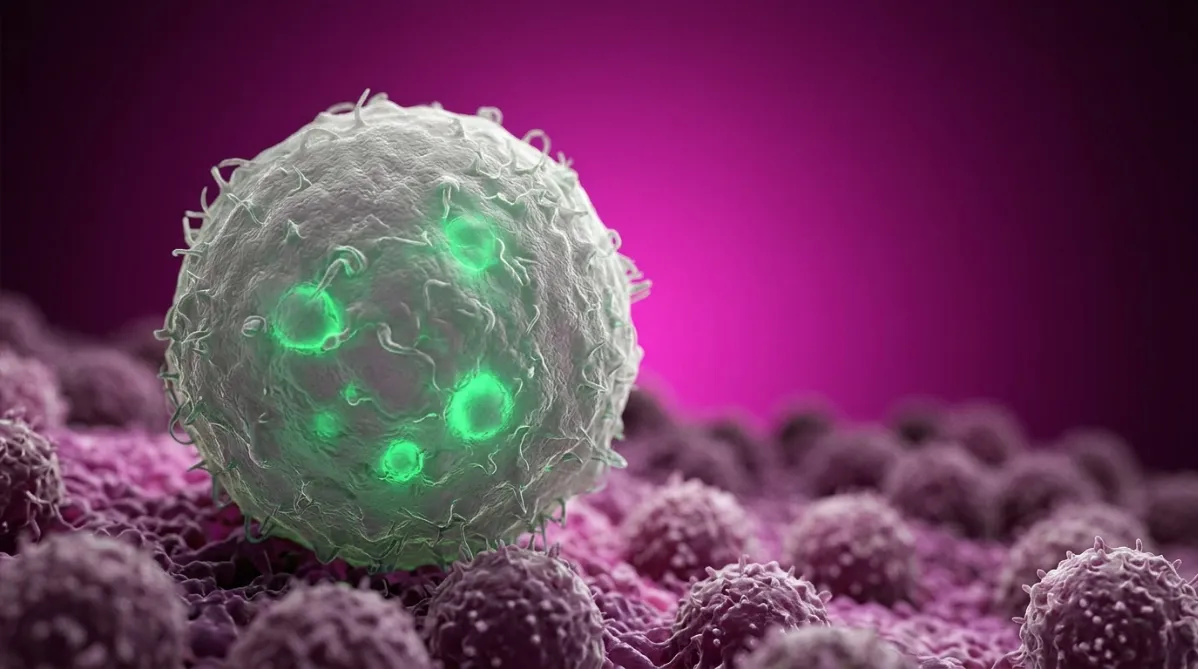
Urolithin A Shifted Aging T Cells in 4 Weeks. Here's the Catch
A randomized trial in Nature Aging found that four weeks of urolithin A shifted the immune profile of healthy middle-aged adults. It expanded naive-like CD8+ T cells and boosted their fat-burning capacity. But the headline number is small: a 0.5 percentage point change. The study ran only 4 weeks in 50 people, measured biomarkers rather than infections, and was funded by the maker of Mitopure. Here is what the data show, what they don't, and who might want to pay attention.