Biocracked
←

#inflammaging

3 articles
Approach 1, macro science, in palette D, bold color field.

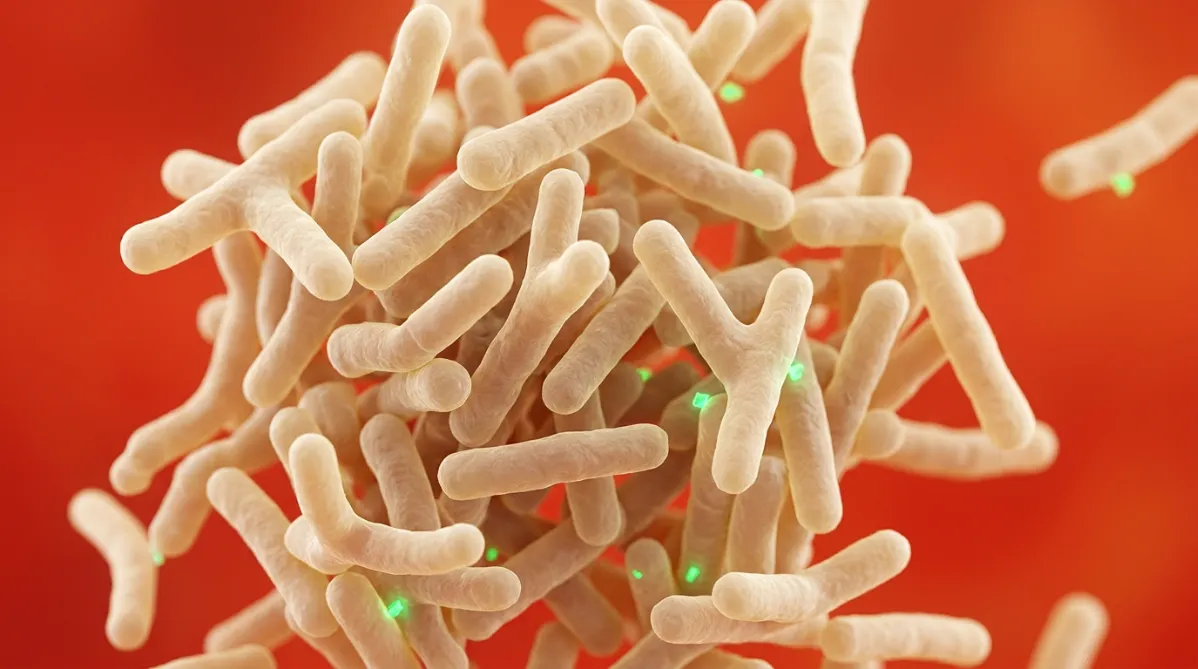
Extreme close-up microscopy-style photograph of a dense colony of rod-shaped, slightly branched Bifidobacterium cells, rendered as real textured organic forms with soft translucent walls and subtle surface detail. The cells are warm cream and ivory, clustered in the center and thinning toward the edges. The whole backdrop is a saturated tomato-red to orange field, smooth and out of focus, so the bacteria stand out in sharp contrast. A few scattered tiny crystalline metabolite specks glow faintly electric green (#00e676) near the colony. Camera angle is straight-on, slightly oblique, with a very shallow depth of field. Lighting is soft, diffuse backlight with gentle rim highlights on the cell edges and no harsh shadows. The mood is vivid, curious and hopeful, scientific but warm, with no blue cast anywhere. No text.
longevity

Questo microbo intestinale produce 5‑AVAB, una molecola che ha domato l’inflammaging

BY NOVA CHEN ·

Un microrganismo intestinale che scompare silenziosamente con l’età potrebbe fare più di quanto pensassimo. Uno studio pubblicato su *Nature Aging* ha individuato *Bifidobacterium pseudocatenulatum* come costantemente in diminuzione negli anziani di diverse coorti cinesi. Nei topi invecchiati naturalmente, l’assunzione orale di questo batterio ha attenuato l’inflammaging multisistemico e ha prolungato la salute. I ricercatori hanno collegato parte dell’effetto a un metabolita chiamato 5‑AVAB, il cui livello cala anch’esso con l’età umana.
Approach: Macro science. Palette: D, bold color field.

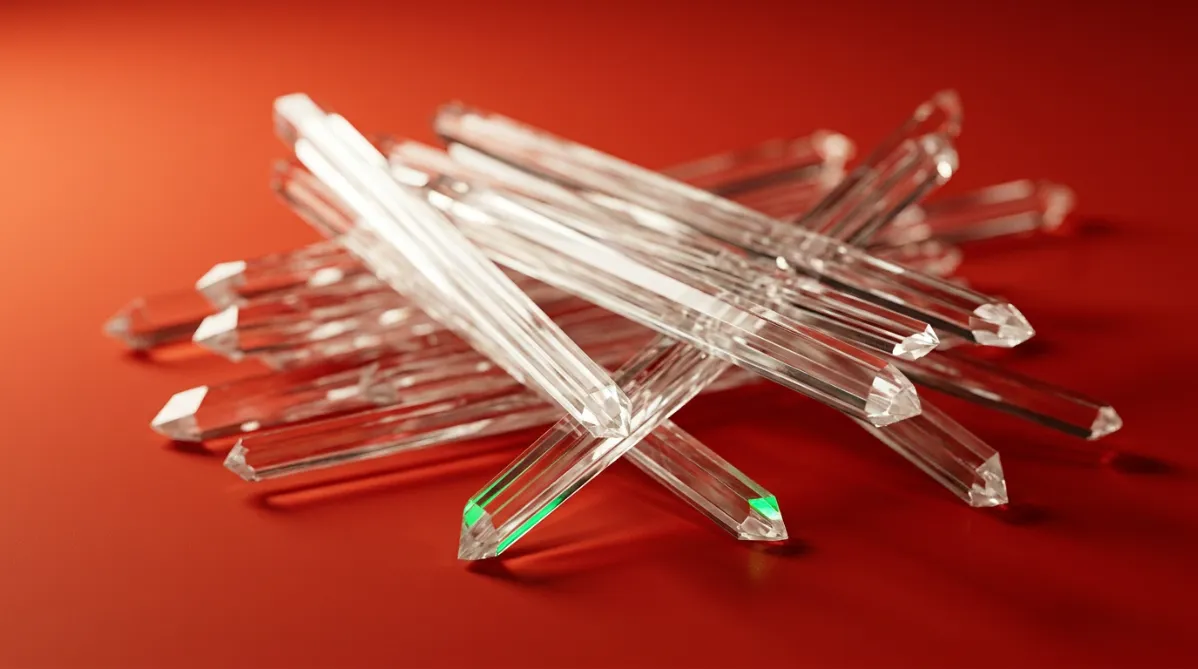
Extreme close-up photograph of taurine crystals, long translucent needle-like prisms with sharp faceted edges, bundled and crossing in a loose cluster. They rest on a saturated tomato-red matte acrylic surface. The camera is a low three-quarter angle with a shallow depth of field, so the front crystals are razor sharp and the back ones melt into soft red blur. A hard, warm key light from the upper left makes the facets glint white and throws crisp, thin red-tinted shadows. A single crystal tip in the foreground catches a tiny edge of electric green (#00e676) light refracted through the glass-like prism. The mood is bold, tense and curious, which suits a paradox in the findings. The image has no text, no labels, and no blue cast.
longevity

La taurina aumenta con l’età: perché allora un ulteriore incremento ha protetto i topi anziani?

BY NOVA CHEN ·

La taurina, l’amminoacido presente in molte bevande energetiche, mostra un aumento naturale nei livelli plasmatici con l’avanzare dell’età sia negli esseri umani sia nei topi. Sorprendentemente, un ulteriore incremento sperimentale nei roditori anziani ha prolungato la vita sana e ridotto la mortalità per sepsi, suggerendo un ruolo protettivo legato al controllo dell’inflamasoma NLRP3. Lo studio, guidato da ricercatori di Yale, propone che la fuoriuscita di taurina dai macrofagi attivi l’inflamasoma, mentre il mantenimento della sua concentrazione ne frena l’attivazione. I dati umani sono ancora solo osservazionali e non è stata testata alcuna dose di integrazione per persone.
Approach: Macro science. Palette: D, bold color field.

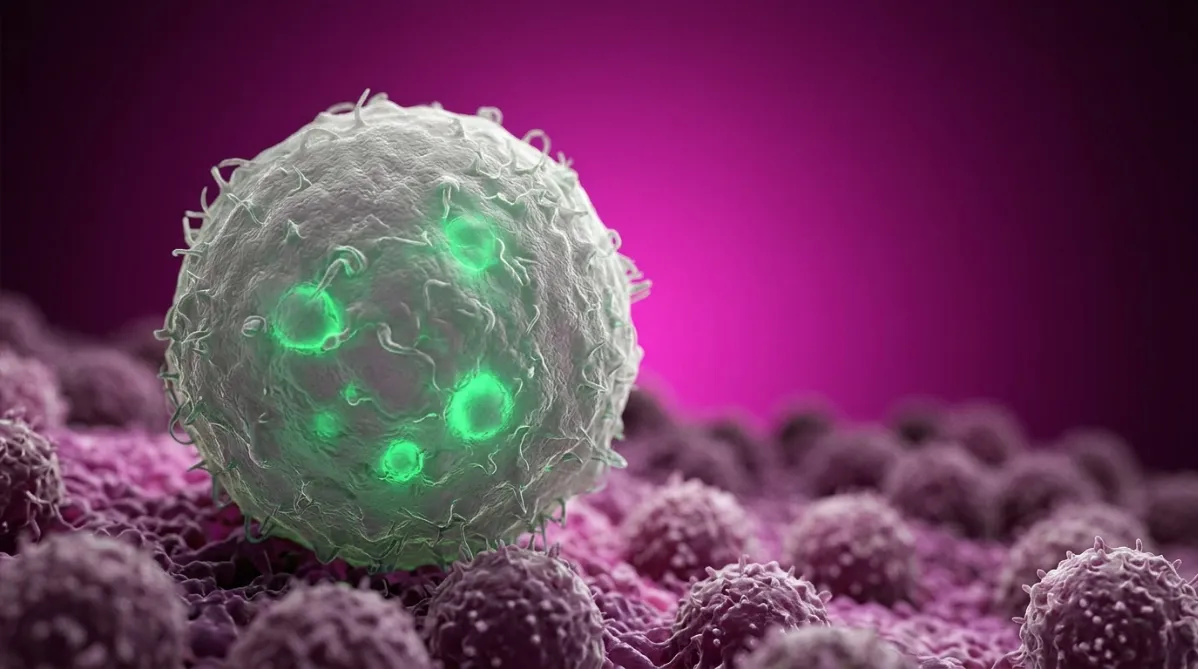
Extreme macro photograph of a single human T cell shown as a slightly bumpy, matte-textured sphere with fine microvilli, resting on a surface of smaller, out-of-focus cells. A faint electric green (#00e676) glow shows through a few lipid droplets inside its translucent membrane, hinting at fat-burning. The backdrop is a saturated magenta-violet field that fades from deep plum at the edges to bright magenta behind the cell. The camera sits at a low three-quarter angle with very shallow depth of field, so the foreground cell is crisp and the background melts into soft bokeh. Lighting is a soft, directional key from upper left with a thin rim light that picks out the membrane texture. The look is scanning-electron-microscope realism with subtle color, not cartoon. The mood is curious, quietly skeptical and precise. There is no text and no labels. The composition leaves open space on the right.
longevity

Urolithin A ha Ringiovanito i T‑cell in quattro settimane: il lato nascosto

BY NOVA CHEN ·

Un trial randomizzato pubblicato su *Nature Aging* ha mostrato che quattro settimane di integrazione con Urolithin A modificano il profilo immunitario di adulti sani di mezza età, aumentando le cellule T CD8⁺ naive‑like e la loro capacità di ossidare i grassi. Tuttavia, l’effetto primario è modesto (solo 0,5 punti percentuali) e lo studio, della durata di quattro settimane, ha coinvolto 50 soggetti, valutando solo biomarcatori e finanziato dal produttore di Mitopure. Ecco cosa dimostrano i dati, cosa non mostrano e a chi potrebbero interessare.

This page is available in