Biocracked
←

#longevity

9 articles
Approach: macro science. Palette: warm (amber and copper).

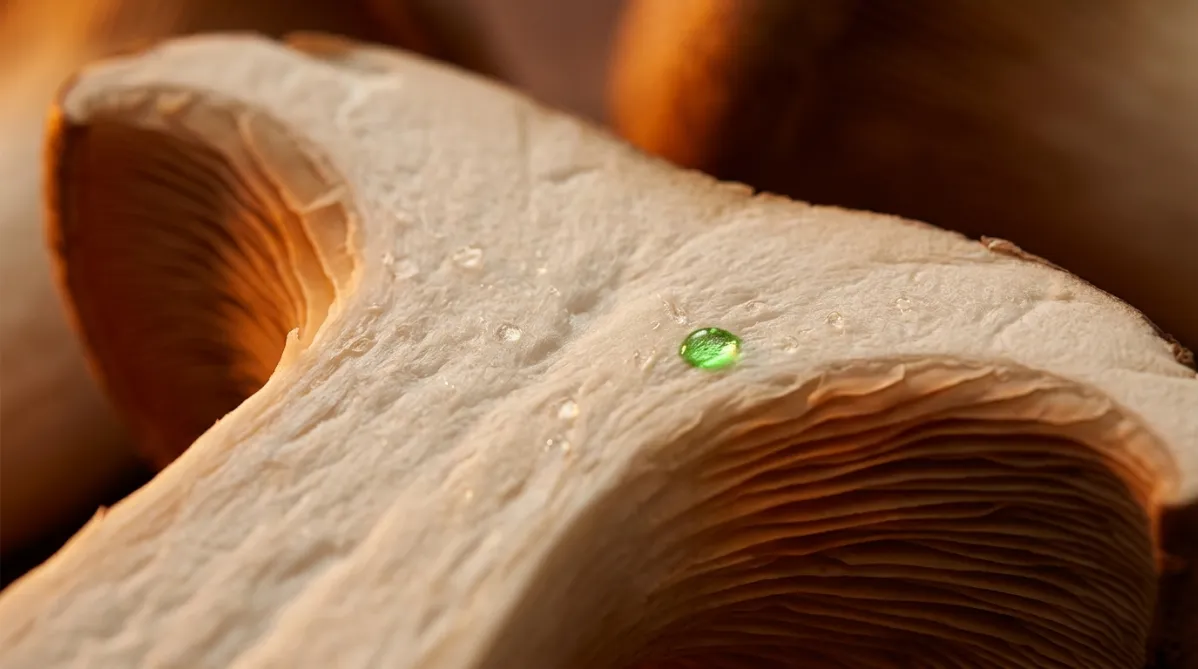
Extreme close-up of a freshly sliced king oyster mushroom stem and gill edge, shot at a slight 30-degree overhead angle with a macro lens and shallow depth of field. The pale cream flesh shows individual fibrous hyphae and glistening moisture beads. Warm low-angle golden light rakes across from the left, turning the gill ridges into amber and copper lines with deep honey-brown shadows. A single tiny droplet on the cut surface catches a pinpoint of electric green reflection, as if lit from a hidden source. Background melts into out-of-focus burnished orange and chocolate tones. The mood is quiet, intimate and investigative, with real organic texture and no text.
longevity

Il fungo “vitamina della longevità” aumenta il NAD⁺ nei ratti anziani tramite lo switch dell’H₂S

BY HELIX WARD ·

L'ergotioneina, il composto dei funghi soprannominato “vitamina della longevità”, ha appena svelato il meccanismo che ne spiega il clamore. In uno studio pubblicato su *Cell Metabolism*, i ratti anziani trattati con ET hanno corso più a lungo, hanno aumentato la vascolarizzazione e la massa muscolare e hanno mostrato livelli più alti di NAD⁺ nei muscoli. L’effetto è stato ricondotto a una via dell’idrogeno solforato: CSE, persolfidazione e l’enzima cGPDH. Eliminando CSE o cGPDH i benefici sparivano. Tuttavia, si tratta di lavoro su animali e in vitro, e la dose efficace per i ratti corrisponde a circa dieci volte quella tipicamente contenuta negli integratori per l’uomo.
Approach: macro science. Palette: bold color field (violet).

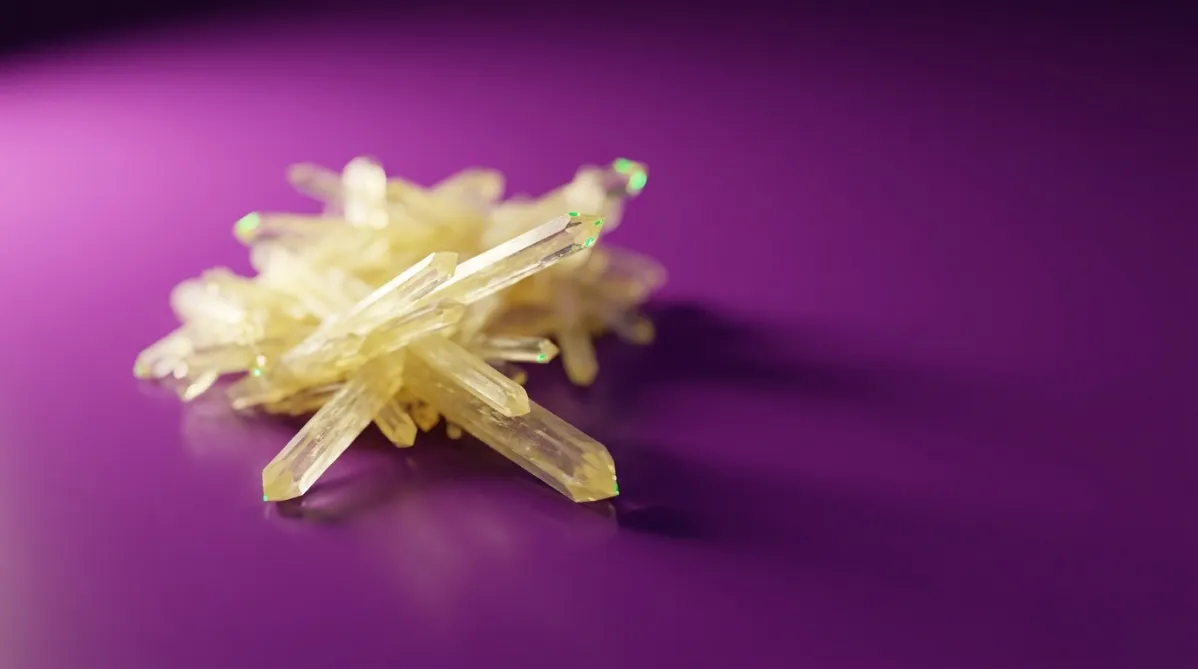
Extreme close-up of fisetin crystals, a small cluster of pale yellow needle-like flavonoid crystals with translucent, faceted edges, resting on a smooth glossy deep violet surface. The camera sits low at a shallow three-quarter angle with a very shallow depth of field, so the front crystals are razor sharp and the rest dissolves into soft magenta-violet blur. Lighting is a single crisp, slightly warm studio key from upper left that makes the crystal edges glow and throws long soft shadows across the violet. A few tiny electric green (#00e676) specks of reflected light catch on the crystal tips. The mood is precise, curious and quietly promising, like a sample under inspection, with plenty of clear violet space on the right side of the frame.
longevity

Fisetina senolitica: prolungamento della vita nei topi, ma mancano prove sull’uomo

BY HELIX WARD ·

La fisetina, flavonoide presente in piccole quantità nelle fragole, è emersa come il senolitico più potente in uno studio del 2018 pubblicato su *EBioMedicine*. Nei topi invecchiati, un trattamento somministrato in età avanzata ha ridotto i marcatori della senescenza, attenuato le patologie legate all’età e prolungato sia la vita media che quella massima. Tuttavia, i risultati provengono da esperimenti su animali e tessuti umani in provetta, non da studi clinici sull’uomo. L’articolo spiega le scoperte, le implicazioni sul dosaggio e a chi può interessare, in attesa di dati clinici.
Approach: Lab in action. Palette: D, bold color field.

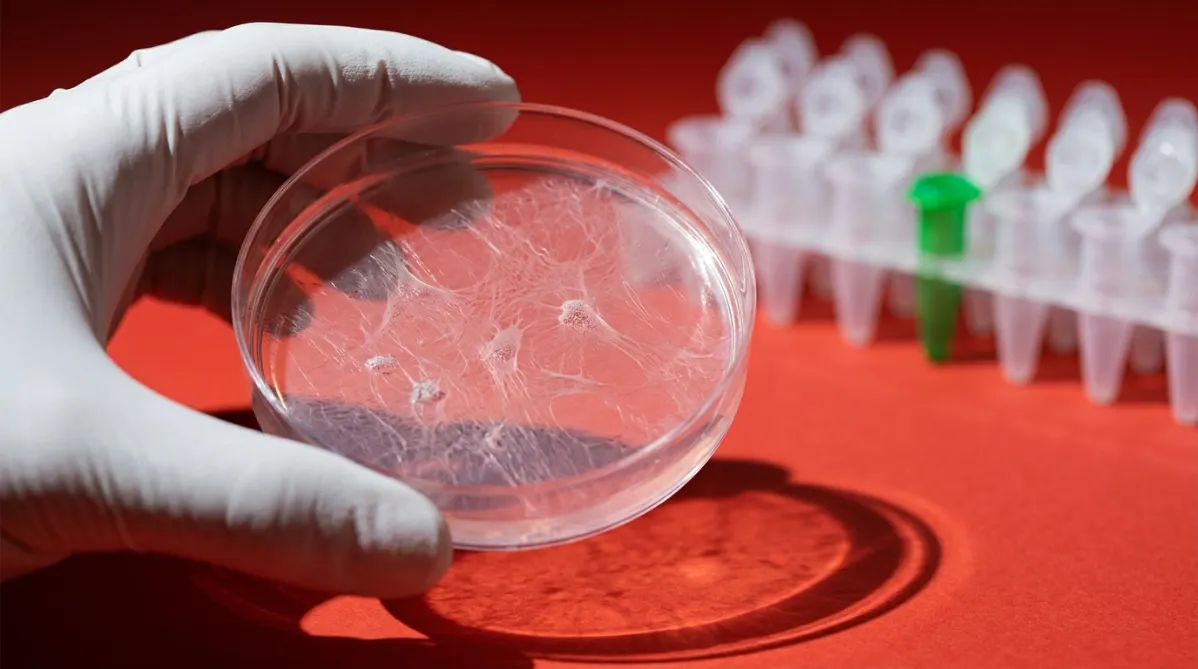
A gloved hand holds a clear petri dish at a slight low angle, close and slightly above eye level, against a saturated tomato-red backdrop. Inside the dish, a thin, translucent layer of pale pink culture medium holds a faint, lacy web of fibroblast cells, with a few small clusters just visible. Hard, clean studio light from the upper left throws a crisp curved shadow of the dish onto the red surface and picks out bright highlights on the rim and the glove's matte white nitrile. In the soft-focus background, a rack of empty microcentrifuge tubes stands out in cool white. One tiny electric green cap on a single tube adds a small accent. The mood is precise and skeptical: a promising result still confined to the dish.
peptides

Epithalon attiva la telomerasi nelle cellule, ma non nelle persone

BY HELIX WARD ·

Un peptide di soli quattro amminoacidi ha riattivato la telomerasi, l'enzima che nella maggior parte delle cellule adulte resta inattivo, e ha allungato i telomeri di cellule umane. Questa è la scoperta alla base del clamore sulla longevità di Epithalon, ma proviene da fibroblasti fetali coltivati in vitro, non da persone. Nel paper del 2003 si ipotizza un’estensione della durata della vita, ma è solo un’ipotesi. Ecco cosa dimostra realmente lo studio, cosa lascia fuori e come interpretarlo prima di acquistare.
Approach: conceptual metaphor. Palette: bold color field.

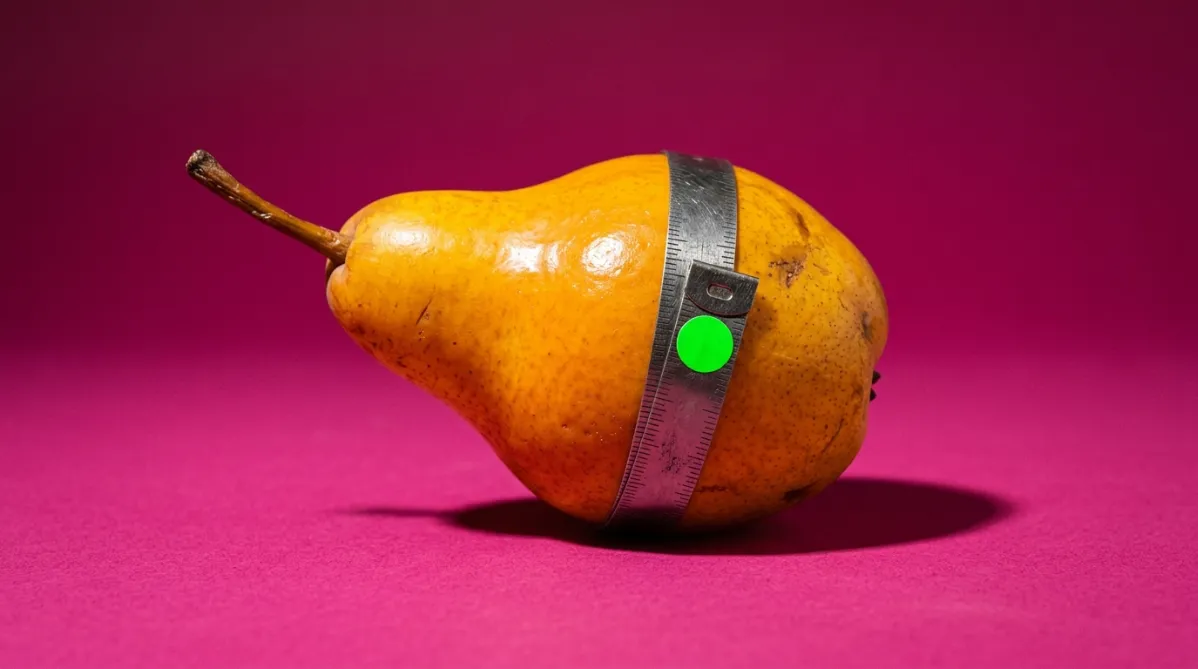
A single steel bathroom-style analog tape measure, pulled taut and wrapped around a ripe, glossy yellow-orange pear lying on its side, with the tape's tip locked at the same unmarked point, suggesting a waistline that did not shrink. The pear sits on a saturated magenta seamless backdrop, shot from a low three-quarter angle with a shallow depth of field, the stem sharp and the background softly blurred. Hard but slightly diffused studio key light from upper left casts a crisp, short shadow in deeper magenta on the surface. A tiny electric green sticky dot marks the tape's end, with no numbers or writing visible. Mood: playful, skeptical, deadpan, scientific restraint rather than hype.
longevity

Rapamicina settimanale per un anno: è sicura, ma il grasso viscerale è rimasto invariato?

BY REX MERIDIAN ·

Tutti si chiedono se la rapamicina somministrata una volta alla settimana possa ridurre il grasso viscerale e migliorare l'health‑span. Lo studio PEARL, dopo 48 settimane su adulti sani, mostra che l'endpoint primario – la riduzione del grasso viscerale – non è cambiato, mentre la sicurezza è comparabile al placebo. Alcuni segnali secondari, come l’aumento della massa magra e la diminuzione del dolore nelle donne che hanno assunto 10 mg, suggeriscono possibili benefici, ma provengono da sotto‑gruppi e da autovalutazioni. Il farmaco era di tipo composto e, finora, nessuno ha dimostrato che la rapamicina prolunghi la vita umana.

**Approach: Conceptual metaphor. Palette: B, Warm.**

A close, slightly high three-quarter view of a single weathered hemp rope stretched horizontally across the frame, shot at a shallow depth of field. On the left the rope is thick and tightly twisted. On the right it has frayed down to a few thin strands, with a short, neat whipping of bright electric green thread binding the rope just where the fraying stops. Golden-hour sunlight enters low from the left and picks out each individual fiber in honey and copper tones. Soft amber shadows fall across a blurred, sun-warmed wooden dock in the background. The mood is quiet and cautiously hopeful, suggesting something worn down slowly but partly held in place. The image is photorealistic and has no text.
longevity

Vitamina D3 Conserva 140 Coppie di Basi dei Telomeri in uno Studio Randomizzato di 4 Anni

BY DR. SYNAPSE ·

Un ampio studio randomizzato, controllato con placebo, ha mostrato che quattro anni di integrazione con vitamina D3 hanno rallentato l'accorciamento dei telomeri di circa 140 coppie di basi. I dati provengono dallo studio VITAL su adulti statunitensi più anziani che hanno assunto 2 000 UI al giorno. L’effetto è modesto e borderline (p = 0,039); la lunghezza dei telomeri è un marcatore surrogato, non una prova di vita più lunga. Gli omega‑3, invece, non hanno avuto alcun impatto sui telomeri in questo trial. Ecco cosa dicono i numeri, quali sono i limiti e come usarli in modo sensato.

A bright, airy editorial still life on a pale warm-white linen surface, shot from a slightly elevated three-quarter angle in soft natural window light. On the left, a small hand-thrown ceramic dish in matte oatmeal glaze holds several translucent golden-amber omega-3 softgel capsules, catching the light like tiny honey droplets. Next to it sits a smaller dish with a few pale yellow vitamin D capsules. Beside them, a halved fresh salmon fillet in coral-pink with delicate white marbling rests on a slate-gray stone board, with a sprig of dill and a thin lemon wedge. A few walnuts and a small glass bottle of olive oil lend a quiet Mediterranean feel.

On the right side of the frame, a pair of lightweight sage-green resistance bands and a single brushed-steel dumbbell in a muted tone rest on a folded cream towel, hinting at a home strength routine. Behind them, a vintage brass pocket watch lies open, its face softly out of focus, with a thin ribbon of cream fabric curling beside it to suggest the passage of time. A sparse, elegant sprig of dried eucalyptus arches across the top corner.

The palette is calm and modern: warm cream, soft sage, muted coral, honey gold, and stone gray, with gentle diffused shadows and a shallow depth of field. The background fades into a creamy blur with a hint of a sunlit window and sheer curtain. The composition leaves generous negative space across the upper left and center for headline text. The overall mood is clean, trustworthy, and contemporary, like a premium health and science journal feature, with subtle film-like grain, natural textures, and minimalist styling.
longevity

Omega-3 rallenta l'invecchiamento biologico di circa 3 mesi in uno studio randomizzato di 3 anni

BY DR. SYNAPSE ·

Un trial randomizzato su 777 adulti di età pari o superiore a 70 anni ha mostrato che 1 g al giorno di omega‑3 ha rallentato diversi orologi epigenetici di circa 3 mesi di invecchiamento biologico in 3 anni. L'effetto è più evidente quando l'omega‑3 è associato a vitamina D (2 000 UI al giorno) e a un semplice programma di esercizi domestici. Tuttavia, il beneficio è limitato, l'analisi è stata post‑hoc e gli orologi epigenetici sono solo surrogate, non prove di una vita più lunga. Qui trovi i numeri esatti, i limiti dello studio e le dosi pratiche, oltre a chi dovrebbe consultare il medico prima di provarlo.

A wide landscape editorial photograph of a minimalist laboratory-meets-wellness still life on a pale, warm-gray stone countertop, softly lit by diffused morning window light from the left. In the center foreground, a small amber glass supplement jar with a plain matte white label sits beside a scattering of fine white powder and a few loose white capsules on a ceramic dish. Next to it rests a clean, open notebook with faint hand-drawn line graphs, two diverging curves rising gently, one slightly higher than the other, drawn in muted sage-green and charcoal ink. A slim brass pen lies across the page.

In the soft-focus midground, a delicate glass beaker filled with clear liquid catches a thin streak of light, casting a gentle caustic shimmer across the stone. A sprig of dried eucalyptus and a small sliver of citrus peel add organic texture. Behind them, an out-of-focus wall of pale oat-colored tiles and a floating wooden shelf holds a few blurred ceramic vessels and a small potted fern.

The color palette is calm and editorial: warm creams, sage green, soft amber, muted terracotta accents, and touches of charcoal. Shallow depth of field with a crisp focus on the jar and notebook, creamy bokeh in the background. Subtle film-like grain, natural shadows, and generous negative space on the right third of the frame, suitable for headline overlay. The mood is thoughtful, measured, and trustworthy, like a contemporary science and wellness journal cover: modern, tactile, quietly optimistic, and grounded rather than hyped.
longevity

Il calcio alfa‑chetoglutarato ha prolungato la vita media delle topi femmine fino al 16,6 %: cosa significa (e cosa non significa) per gli esseri umani

BY DR. SYNAPSE ·

Uno studio del 2020 su *Cell Metabolism* ha mostrato che una dieta contenente il 2 % di calcio alfa‑chetoglutarato prolungava la vita media delle topi femmine del 16,6 % e riduceva la fragilità. L’effetto era più moderato nella seconda coorte (10,5 %) e nei maschi non risultava statisticamente significativo. I ricercatori hanno collegato il beneficio a una minore infiammazione sistemica e a un possibile aumento di IL‑10. Tuttavia, si tratta di un esperimento su roditori e non dimostra che l’AKG estenda la vita umana. Ecco cosa mostrano realmente i dati, come differiscono dalla pubblicità dei supplementi e perché il CaAKG dovrebbe stare in una lista di ricerca, non in un protocollo provato.

A bright, minimalist editorial still life on a pale warm-white stone surface, shot from a slightly elevated three-quarter angle in soft natural window light. At center, a small amber glass supplement bottle with a matte cream label, unbranded, sits beside a few loose white capsules. A pair of weathered hands in a light oatmeal linen sleeve, belonging to an older adult, rests gently near the bottle, with a ceramic mug of tea just out of focus. To the right, a clean glass vial and a delicate glass beaker filled with clear liquid catch the light, hinting at laboratory research without any futuristic touch. A small paper notebook with a handwritten simple line graph rising in a gentle curve lies open nearby, along with a sharpened pencil. Scattered at the edges are soft sprigs of dried eucalyptus and a few pale sage-green leaves, adding an organic note. A faint, abstract molecular diagram printed in muted teal ink on a card leans against the bottle, subtle and graphic. The palette is calm and modern: warm ivory, sage green, soft teal, muted amber, and touches of dusty peach. Long, gentle shadows fall across the surface, and the shallow depth of field blurs the background into creamy neutral tones. The composition leaves generous negative space on the left third for headline text. The overall feel is a trendy health and science journal: clean, airy, trustworthy, and quietly sophisticated, with fine film-like grain and true-to-life color. Ultra-detailed, 16:9 landscape.
supplements

1.000 mg di nicotinamide riboside al giorno aumentano il NAD+ nelle cellule del sangue di circa il 60 % negli adulti anziani, secondo uno studio randomizzato

BY DR. SYNAPSE ·

Un trial crossover pubblicato nel 2018 su *Nature Communications* ha testato il nicotinamide riboside a 500 mg due volte al giorno (1.000 mg/giorno) per sei settimane in adulti di mezza età e anziani sani. L'integratore è stato ben tollerato e ha aumentato il NAD+ nelle cellule immunitarie del sangue di circa il 60 % rispetto al placebo. I ricercatori hanno inoltre osservato segnali preliminari di riduzione della pressione arteriosa e della rigidità arteriosa, ma li hanno indicati solo come spunti per studi più ampi, non come benefici provati. Questo articolo spiega perché si pensa che il NAD+ diminuisca con l’età, cosa ha mostrato lo studio e cosa non può dirci riguardo a esiti di malattia o longevità.

A serene editorial still life shot from a slightly elevated angle on a pale travertine surface, bathed in soft morning window light with gentle long shadows. At the center sits a small matte ceramic bowl in warm oatmeal tone, holding a fine mound of white crystalline powder, with a delicate wooden scoop resting beside it. A few grains are scattered naturally across the stone. To the left, a clear glass of water catches the light, throwing a subtle caustic shimmer onto the surface. To the right, a neatly arranged trio of translucent amber glass capsules and a single sprig of dried eucalyptus add organic texture.

In the softly blurred background, a sage-green linen cloth drapes across the frame, and a vintage brass hourglass stands upright, its sand halfway through. This is a subtle nod to aging and time. A small open notebook with faint, abstract hand-drawn line graphs trending gently downward, with no legible text, rests at the edge of the composition, with a slim pencil placed across it.

The palette is calm and modern: creamy ivory, warm sand, muted sage, soft terracotta, and touches of honey amber. The mood is quiet, thoughtful, and scientific without being clinical, like a contemporary wellness and science magazine cover. Shallow depth of field keeps the powder bowl crisp, with creamy bokeh behind it. Generous negative space on the right side of the wide 16:9 frame leaves room for headline overlay. Fine film-like grain, natural color grading, and minimalist composition give it a refined, trendy journal feel.
longevity

Taurina, l'amminoacido a basso costo che ha prolungato la vita dei topi fino al 12 % ma diminuisce con l’età negli esseri umani

BY DR. SYNAPSE ·

Uno studio del 2023 pubblicato su *Science* ha scoperto che la taurina circolante, un amminoacido poco costoso e abbondante, si riduce con l’età in topi, scimmie e umani. Integrare la taurina nei topi di mezza età ha prolungato la loro vita media di circa il 10‑12 % e ha migliorato la salute sia nei roditori sia nelle scimmie. Il composto sembra contrastare la senescenza cellulare, i danni al DNA, la disfunzione mitocondriale e l’infiammazione cronica. I dati umani restano osservazionali e le dosi usate nei topi corrispondono a diversi grammi al giorno per l’uomo, perciò le prove sono ancora lontane da una conferma definitiva.

This page is available in