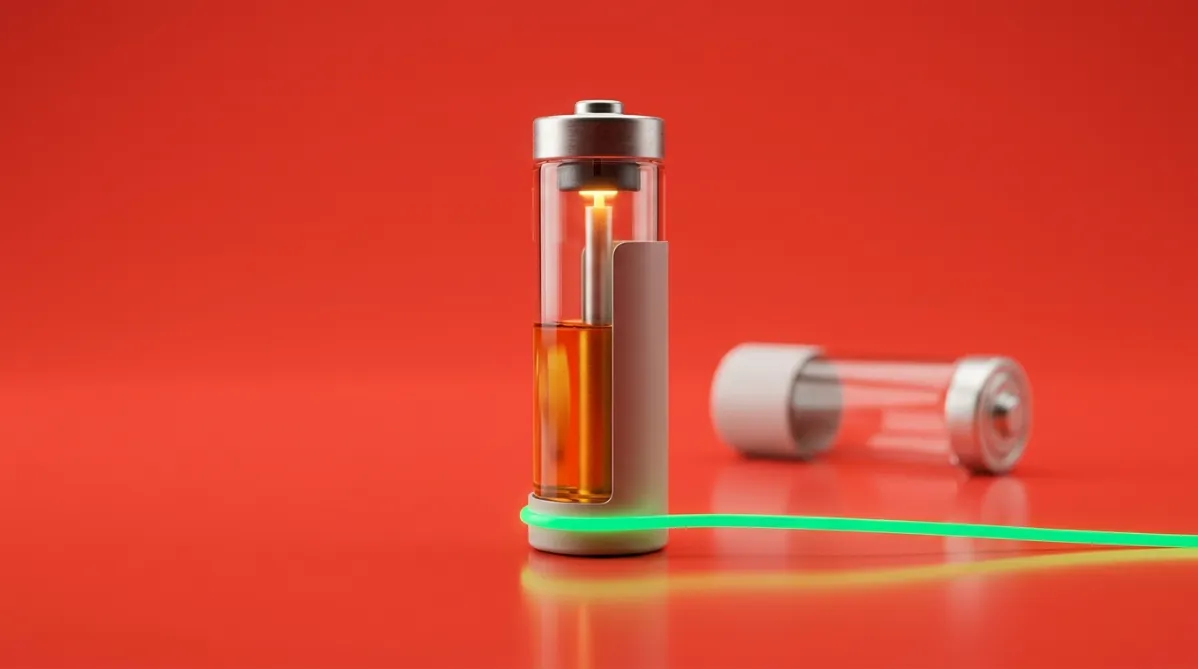
NR + Pterostilbene Lifts NAD+ ~40–90% in Human Trial
Can a daily capsule of nicotinamide riboside and pterostilbene raise NAD+ in older adults? In the first-in-human NRPT (Basis) trial, 120 people aged 60 to 80 took it for eight weeks. Blood NAD+ rose about 40% at the recommended dose and about 90% at double the dose, and the rise held steady through the study. No serious adverse events were reported. Here is what the numbers show, what the dose takeaways are, and what the study cannot tell you.

Weekly Rapamycin for a Year: Safe, But Did Visceral Fat Budge?
Everyone wants to know whether weekly rapamycin can shrink visceral fat and boost healthspan, and the PEARL trial has an answer that may surprise you. After 48 weeks in healthy adults, the primary endpoint of visceral fat did not budge, yet safety looked comparable to placebo. Some secondary signals, including lean mass and pain in women on 10 mg and better well-being on 5 mg, hint at benefits. But those are subgroup and self-reported findings, the drug was compounded, and no one has shown that it extends human lifespan. Here is what the data supports and what it does not.
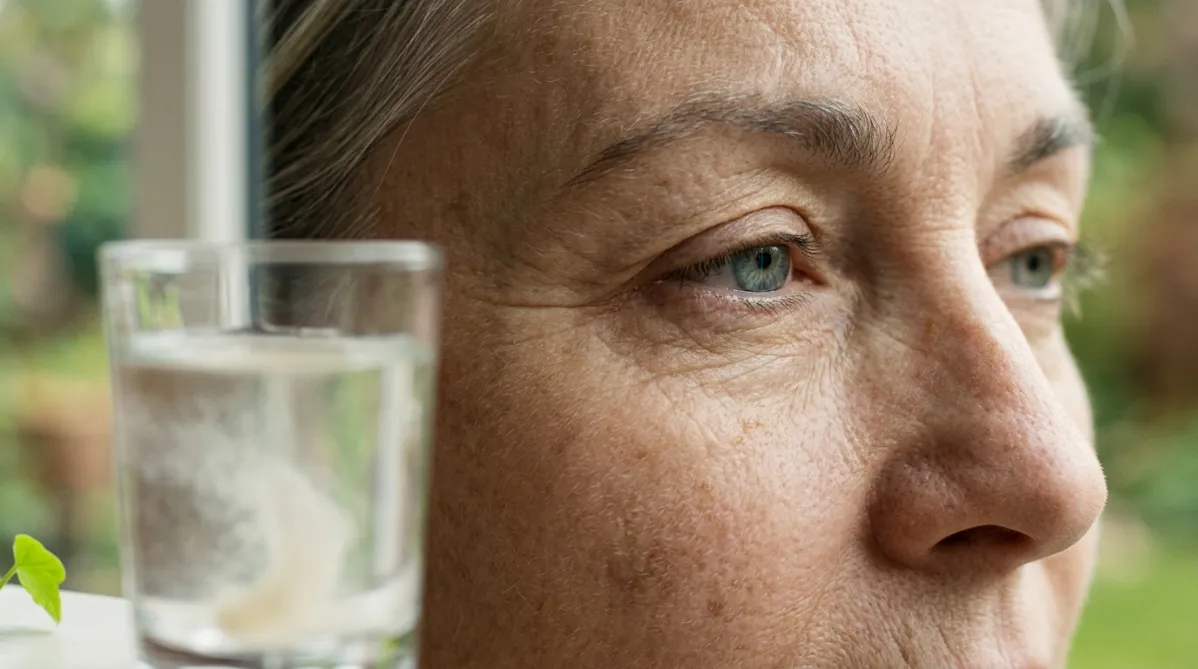
2.5 g of Collagen Peptides Cut Eye Wrinkles 20% in 8 Weeks
Collagen is one of the most searched beauty and longevity supplements, but few products have placebo-controlled human data. In this trial of 114 women aged 45-65, 2.5 g a day of the specific bioactive peptide Verisol cut eye wrinkle volume by 20% versus placebo after 8 weeks. Biopsies showed 65% more procollagen type I and 18% more elastin, while a 6% fibrillin bump wasn't significant. The effect was still detectable 4 weeks after the last dose. But the results apply to one branded peptide in one population, not every collagen powder, so here's what the paper does and doesn't prove.

1,000 mg of Nicotinamide Riboside Daily Raised Blood Cell NAD+ by About 60% in Older Adults, Randomized Trial Finds
A 2018 Nature Communications crossover trial tested nicotinamide riboside at 500 mg twice daily (1,000 mg/day) for six weeks in healthy middle-aged and older adults. The supplement was well tolerated and raised NAD+ in blood immune cells by about 60% compared with placebo. Researchers also saw early signals for lower blood pressure and arterial stiffness, which they flagged as ideas for larger trials, not proven benefits. This article explains why NAD+ is thought to fall with age, what the study did, and what it cannot tell us about disease outcomes or longevity.
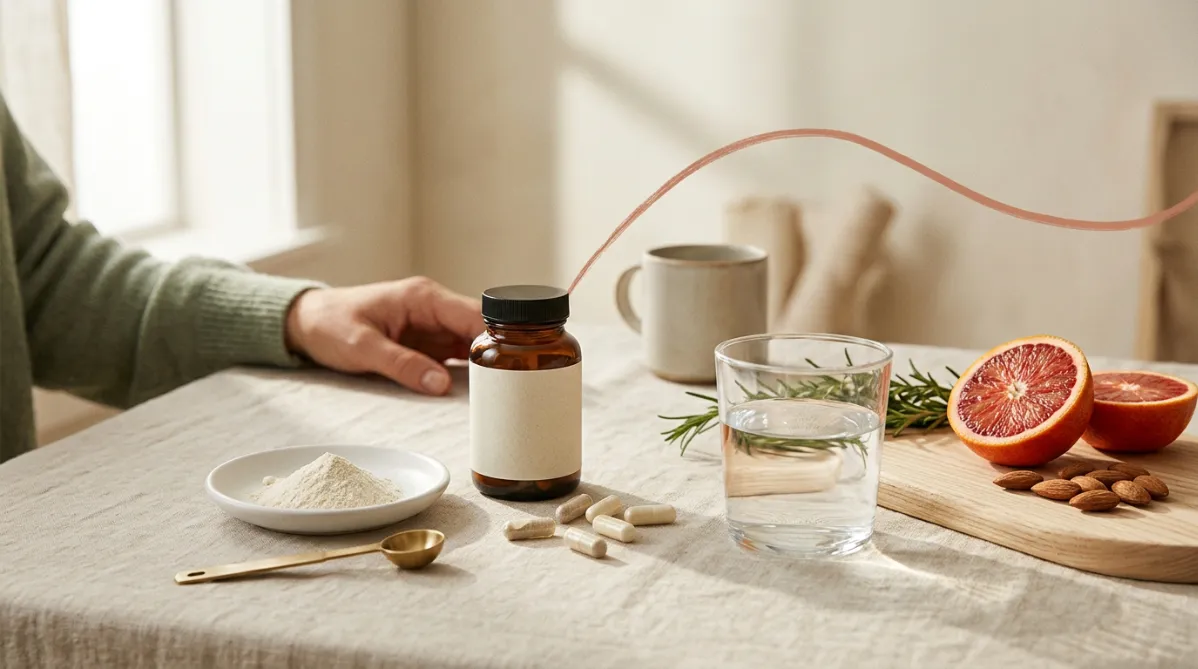
NMN's First Human Win: 250 mg a Day Lifted Muscle Insulin Sensitivity by About 25% in Prediabetic Women
NMN has long been a darling of the longevity market, but human evidence was thin until a 2021 Washington University trial published in Science. In postmenopausal women with prediabetes who were overweight or obese, 250 mg of NMN daily for 10 weeks improved muscle insulin sensitivity by roughly 25%. Muscle insulin signaling and genes tied to muscle remodeling also improved, while the placebo group saw no change. But the benefit was narrow, and the study did not show NMN lowering blood sugar or reversing prediabetes. Here's what the trial found, who it applies to, and what it didn't change.
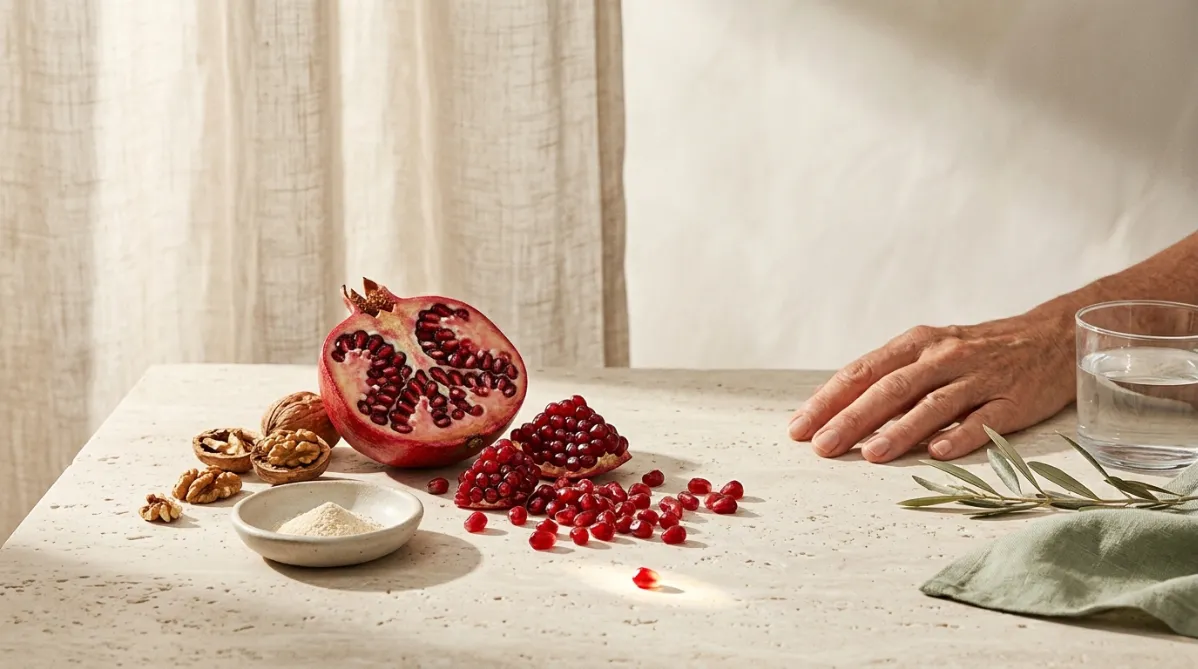
Urolithin A, the Pomegranate Postbiotic, Triggers a Mitophagy Signature in Older Adults
Urolithin A, a molecule made by gut bacteria from pomegranate and walnut polyphenols, has long rejuvenated muscle in aging animals. The first human trial in older adults found it safe, bioavailable, and able to shift mitochondrial biomarkers at 500 to 1,000 mg a day. The study, backed by the company behind Mitopure, showed a molecular signature of improved mitochondrial health in muscle. But it was small, short, and measured biomarkers rather than strength or longevity. Here is what the data show, who it is aimed at, and where the evidence stops.