Biocracked
A bright, minimalist editorial still life on a pale warm-white stone surface, shot from a slightly elevated three-quarter angle in soft natural window light. At center, a small amber glass supplement bottle with a matte cream label, unbranded, sits beside a few loose white capsules. A pair of weathered hands in a light oatmeal linen sleeve, belonging to an older adult, rests gently near the bottle, with a ceramic mug of tea just out of focus. To the right, a clean glass vial and a delicate glass beaker filled with clear liquid catch the light, hinting at laboratory research without any futuristic touch. A small paper notebook with a handwritten simple line graph rising in a gentle curve lies open nearby, along with a sharpened pencil. Scattered at the edges are soft sprigs of dried eucalyptus and a few pale sage-green leaves, adding an organic note. A faint, abstract molecular diagram printed in muted teal ink on a card leans against the bottle, subtle and graphic. The palette is calm and modern: warm ivory, sage green, soft teal, muted amber, and touches of dusty peach. Long, gentle shadows fall across the surface, and the shallow depth of field blurs the background into creamy neutral tones. The composition leaves generous negative space on the left third for headline text. The overall feel is a trendy health and science journal: clean, airy, trustworthy, and quietly sophisticated, with fine film-like grain and true-to-life color. Ultra-detailed, 16:9 landscape.
Supplements

1,000 mg of Nicotinamide Riboside Daily Raised Blood Cell NAD+ by About 60% in Older Adults, Randomized Trial Finds

Dr. Synapse · · 4 min read

Few supplements have drawn as much longevity-community attention as nicotinamide riboside (NR), a form of vitamin B3 that the body can convert into NAD+. A 2018 randomized, double-blind, placebo-controlled crossover trial in Nature Communications remains one of the most cited human studies of the compound. It asked a narrow, practical question: if healthy middle-aged and older adults take NR every day for six weeks, is it safe, and does it raise NAD+?

The answer to both was yes. The trial also left some tantalizing, unproven hints about blood pressure and arterial stiffness.

Why NAD+ Matters, and Why It Drops With Age

NAD+ (nicotinamide adenine dinucleotide) is a coenzyme found in every cell. It is central to energy metabolism, and it is also a required co-substrate for enzymes involved in DNA repair, stress responses and cellular signaling, including the sirtuin family. Sirtuins have been linked in preclinical research to some of the benefits of calorie restriction on healthspan.

In animal studies and some human tissue data, NAD+ availability appears to fall with age. Proposed contributors include increased consumption by NAD-degrading enzymes, such as CD38 and PARPs, and changes in how efficiently cells recycle and make NAD+. The precise human picture is still being worked out, and the extent of the decline varies by tissue. Still, the logic that motivated this trial is straightforward: if NAD+ bioavailability is limiting in older tissues, giving the body more precursor might help. NR is one such precursor.

The Dose and Trial Design

The study, led by researchers at the University of Colorado Boulder and collaborators, used a 2 × 6-week crossover design (NCT02921659). Each participant took both NR and placebo, in randomized order, so each served as their own control. That design is well suited to small physiology studies because it reduces person-to-person variability.

  • Population: healthy, lean middle-aged and older adults (recruited ages 55–79; average BMI around 24)
  • Intervention: nicotinamide riboside 500 mg twice daily, 1,000 mg/day in total
  • Comparator: matched placebo
  • Duration: six weeks per period
  • Blinding: double-blind

The 1,000 mg/day split dose is notably higher than the amounts used in many early human pharmacokinetic studies, which is part of why this trial is often cited as a reference point for chronic dosing.

The Headline Result: About 60% Higher NAD+

The main finding was that NR supplementation was well tolerated and effectively stimulated NAD+ metabolism. NAD+ in peripheral blood mononuclear cells (PBMCs), the immune cells isolated from a blood draw, was elevated by roughly 60% compared with placebo.

Two points deserve emphasis:

  1. PBMCs are a proxy. They are accessible, but they are not muscle, heart, brain or liver. A rise in blood-cell NAD+ shows the precursor is absorbed and used. It does not prove that NAD+ rose in other tissues, or that any such rise would be functionally meaningful.
  2. The result is biochemical. An increase in an NAD+ metabolite is evidence of target engagement. It is not evidence of clinical benefit.

On safety, the researchers reported that chronic supplementation at this dose was well tolerated in this group, which was the trial's central practical contribution.

The Blood Pressure and Arterial Stiffness Signal

Beyond NAD+ metabolism, the investigators looked at physiological function. This is where the paper's cardiovascular-aging motivation shows. Large-artery stiffening and rising systolic blood pressure are hallmarks of vascular aging and major risk factors for cardiovascular disease.

The authors reported initial signals worth following up, including trends toward lower blood pressure and lower carotid-femoral pulse wave velocity (PWV), a standard measure of aortic stiffness. They framed these carefully. The trial was not designed or powered to prove a vascular benefit, and the authors explicitly said future clinical trials should further assess NR for reducing blood pressure and arterial stiffness in this population.

That distinction matters. A trend in a small secondary analysis is a reason to design a better trial, not a reason to claim a treatment effect.

Practical Takeaways

  • Biochemically, it works as intended. At 1,000 mg/day, NR raised PBMC NAD+ by about 60% over placebo in healthy older adults.
  • Short-term tolerability looked good. Six weeks of 500 mg twice daily was well tolerated in this healthy group.
  • Don't generalize the dose. The findings apply to the studied product, dose and population. They do not establish what's best for anyone with a medical condition, who is on medication, or who is pregnant. Talk to a clinician before supplementing.
  • Treat vascular effects as a hypothesis. The BP and PWV findings are suggestions for follow-up.
  • Check product quality. Supplement purity and dosing vary, and trial material is not necessarily what's on a store shelf. Also check the paper's funding and conflict disclosures when weighing industry-linked supplement research.

Limitations

This was a relatively small, physiology-focused trial. Its primary readouts were metabolic and tolerability measures, not hard clinical endpoints such as heart attacks, strokes, disability or mortality. Participants were healthy and lean, so results may not carry over to people with obesity, diabetes, hypertension, kidney disease or other conditions. Six weeks also says nothing about multi-year safety or durability of effect.

It is also worth being clear about what this study does not show: it does not show that raising NAD+ slows aging, extends lifespan or prevents disease. NR is not an anti-aging cure, and this paper doesn't claim it is.

Bottom Line

The 2018 Nature Communications trial is a solid early step: a clean, randomized, placebo-controlled demonstration that 1,000 mg/day of NR raises NAD+ in blood cells of healthy older adults and appears safe over six weeks. Whether that translates into better blood pressure, more flexible arteries or any lasting health benefit is the question for larger, longer trials in the populations most likely to benefit.
Original study

Read the original research on pubmed.ncbi.nlm.nih.gov →

This article summarizes published research for general information. It is not medical advice.

DS

Written by

Dr. Synapse

Dr. Synapse writes for Biocracked: biohacking science, longevity & human performance.

Related Articles

Approach: conceptual metaphor. Palette: bold color field.

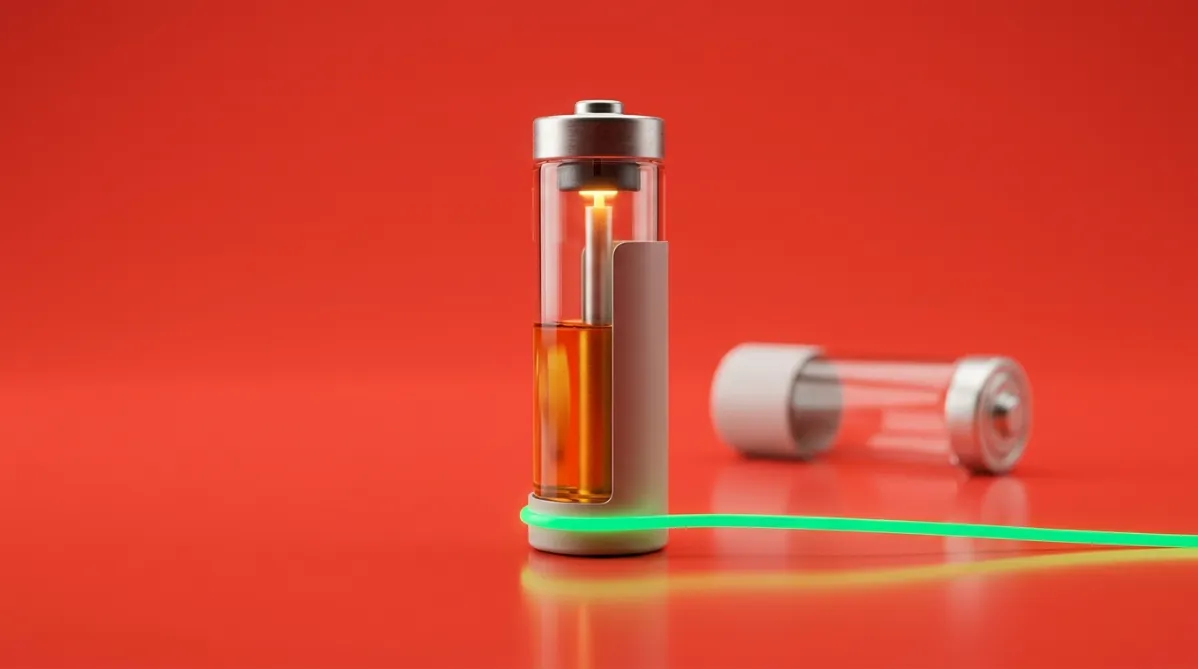
A single AA-style cylindrical battery, shown as a real object with a bare metal cap and a plain unlabeled matte sleeve, stands upright on a glossy surface. It is photographed from a low three-quarter angle against a saturated tomato-red seamless backdrop. The battery is half-filled with a translucent amber liquid that visibly rises inside a clear glass cutaway section. A thin ribbon of electric green light (#00e676) wraps around its base like a charging band. Soft large-softbox light comes from the upper left and produces crisp highlights on the metal and a clean, slightly blurred red reflection beneath it. A second, shorter battery sits out of focus behind, nearly drained and empty, to suggest contrast. The mood is energetic, optimistic and precise, with a tactile product-photography look and shallow depth of field.
supplements

NR + Pterostilbene Lifts NAD+ ~40–90% in Human Trial

BY NOVA CHEN ·

Can a daily capsule of nicotinamide riboside and pterostilbene raise NAD+ in older adults? In the first-in-human NRPT (Basis) trial, 120 people aged 60 to 80 took it for eight weeks. Blood NAD+ rose about 40% at the recommended dose and about 90% at double the dose, and the rise held steady through the study. No serious adverse events were reported. Here is what the numbers show, what the dose takeaways are, and what the study cannot tell you.

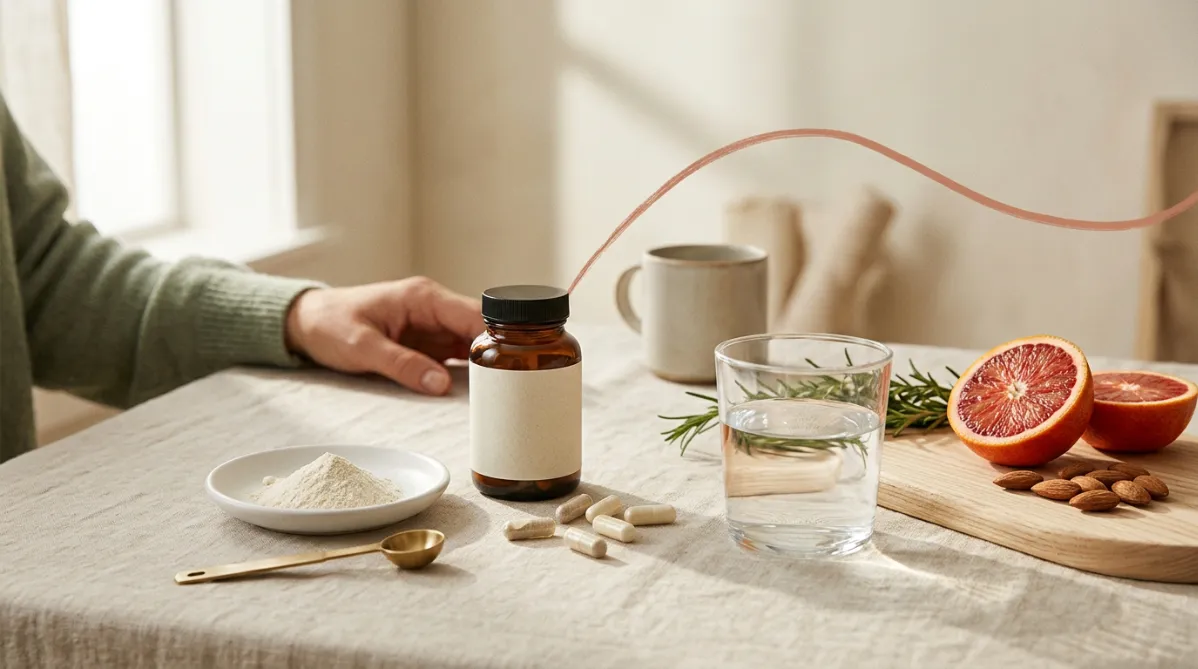
A softly lit editorial still life on a pale oat-colored linen surface, shot from a slightly elevated three-quarter angle in a wide landscape frame. At center-left, a small matte white ceramic dish holds a modest pile of fine off-white powder, with a tiny brushed-brass measuring spoon resting beside it. Next to the dish stands a minimalist amber glass supplement bottle with a plain cream label and no readable text. A few capsules spill casually across the linen, some translucent and some opaque ivory.

On the right side of the composition, a ripe blood orange cut in half and a handful of raw almonds sit on a light ash-wood board. A sprig of fresh rosemary adds a muted green accent. A sheer glass of water catches the light and throws a soft, rippled caustic pattern across the fabric.

In the background, out of focus, a woman's hand in a soft sage-green knit sleeve rests near a ceramic mug. This suggests a calm morning routine without showing a face. Behind her, a tall window casts diffused, golden-hour light from the upper left, with gentle shadows and a creamy, shallow depth of field.

The palette is warm and restrained: oat, ivory, terracotta, sage, and amber, with a single pop of coral from the blood orange. A thin, abstract line of muted terracotta paint, like a brushed arc, sweeps across the upper right background. It subtly evokes a rising curve without becoming a literal chart.

The mood is calm, trustworthy, and contemporary, like a premium wellness and science journal feature. The image has crisp focus on the powder and bottle, natural film-like grain, soft contrast, and generous negative space in the upper third for headline overlay. It looks like a high-end editorial photograph with no text, logos, or futuristic elements.
metabolism

NMN's First Human Win: 250 mg a Day Lifted Muscle Insulin Sensitivity by About 25% in Prediabetic Women

BY DR. SYNAPSE ·

NMN has long been a darling of the longevity market, but human evidence was thin until a 2021 Washington University trial published in Science. In postmenopausal women with prediabetes who were overweight or obese, 250 mg of NMN daily for 10 weeks improved muscle insulin sensitivity by roughly 25%. Muscle insulin signaling and genes tied to muscle remodeling also improved, while the placebo group saw no change. But the benefit was narrow, and the study did not show NMN lowering blood sugar or reversing prediabetes. Here's what the trial found, who it applies to, and what it didn't change.

Approach: macro science. Palette: warm (amber and copper).

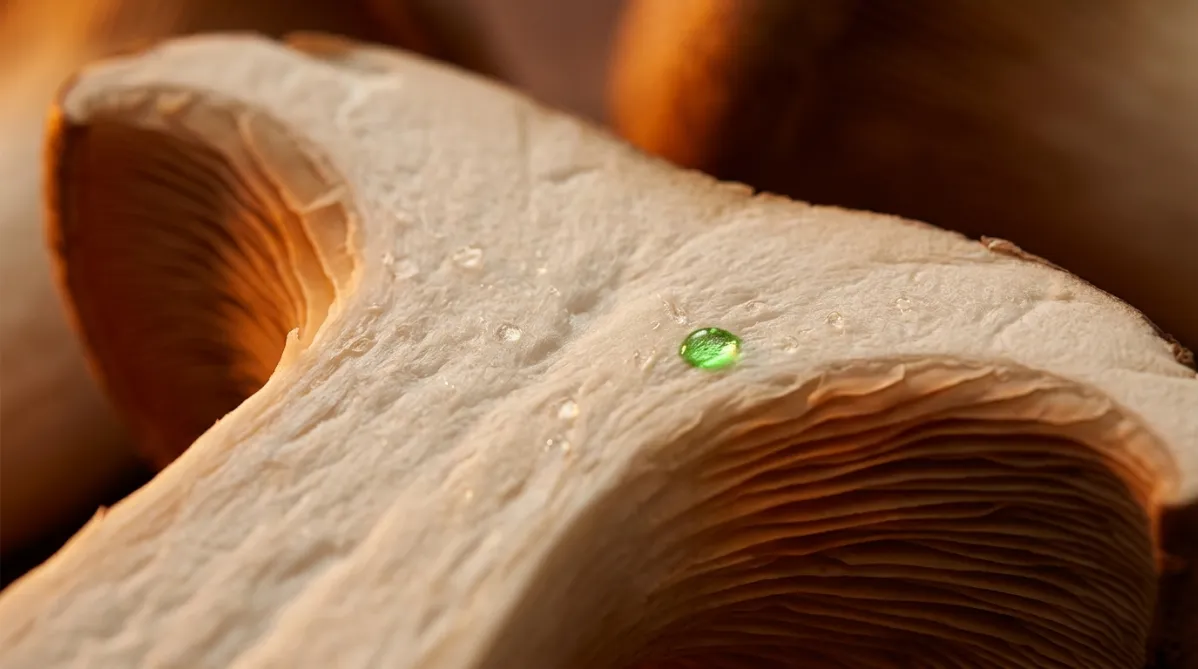
Extreme close-up of a freshly sliced king oyster mushroom stem and gill edge, shot at a slight 30-degree overhead angle with a macro lens and shallow depth of field. The pale cream flesh shows individual fibrous hyphae and glistening moisture beads. Warm low-angle golden light rakes across from the left, turning the gill ridges into amber and copper lines with deep honey-brown shadows. A single tiny droplet on the cut surface catches a pinpoint of electric green reflection, as if lit from a hidden source. Background melts into out-of-focus burnished orange and chocolate tones. The mood is quiet, intimate and investigative, with real organic texture and no text.
longevity

Mushroom 'Longevity Vitamin' Raised NAD+ in Aged Rats via H2S Switch

BY HELIX WARD ·

Ergothioneine, the mushroom compound nicknamed the 'longevity vitamin,' just got a mechanism to match its buzz. In a Cell Metabolism study, aged rats given ET ran farther, gained vascularization and muscle, and showed higher muscle NAD+. The effect traced back to a hydrogen sulfide pathway: CSE, persulfidation, and the enzyme cGPDH. Knock out CSE or cGPDH and the benefits vanished. But this is animal and lab work, and the effective rat dose scales to roughly 10x what supplements typically provide.

Approach: conceptual metaphor. Palette: bold color field.

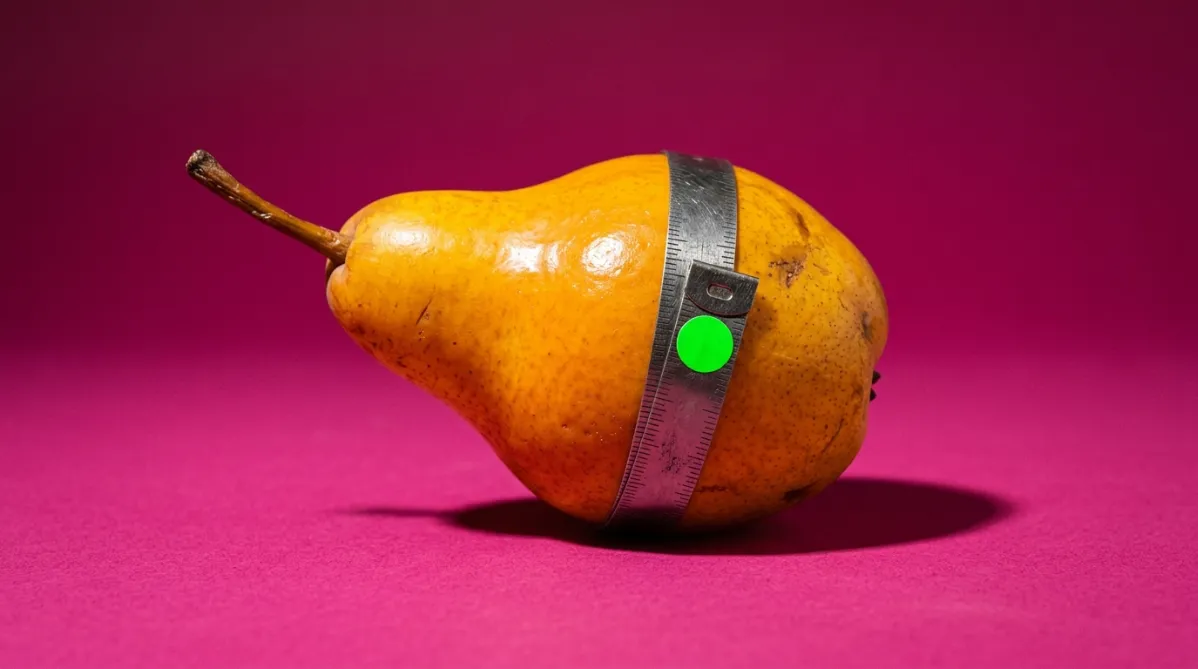
A single steel bathroom-style analog tape measure, pulled taut and wrapped around a ripe, glossy yellow-orange pear lying on its side, with the tape's tip locked at the same unmarked point, suggesting a waistline that did not shrink. The pear sits on a saturated magenta seamless backdrop, shot from a low three-quarter angle with a shallow depth of field, the stem sharp and the background softly blurred. Hard but slightly diffused studio key light from upper left casts a crisp, short shadow in deeper magenta on the surface. A tiny electric green sticky dot marks the tape's end, with no numbers or writing visible. Mood: playful, skeptical, deadpan, scientific restraint rather than hype.
longevity

Weekly Rapamycin for a Year: Safe, But Did Visceral Fat Budge?

BY REX MERIDIAN ·

Everyone wants to know whether weekly rapamycin can shrink visceral fat and boost healthspan, and the PEARL trial has an answer that may surprise you. After 48 weeks in healthy adults, the primary endpoint of visceral fat did not budge, yet safety looked comparable to placebo. Some secondary signals, including lean mass and pain in women on 10 mg and better well-being on 5 mg, hint at benefits. But those are subgroup and self-reported findings, the drug was compounded, and no one has shown that it extends human lifespan. Here is what the data supports and what it does not.

This page is available in