Biocracked
←

#antioxidants

2 articles
Approach: conceptual metaphor. Palette: bold color field (saturated orange).

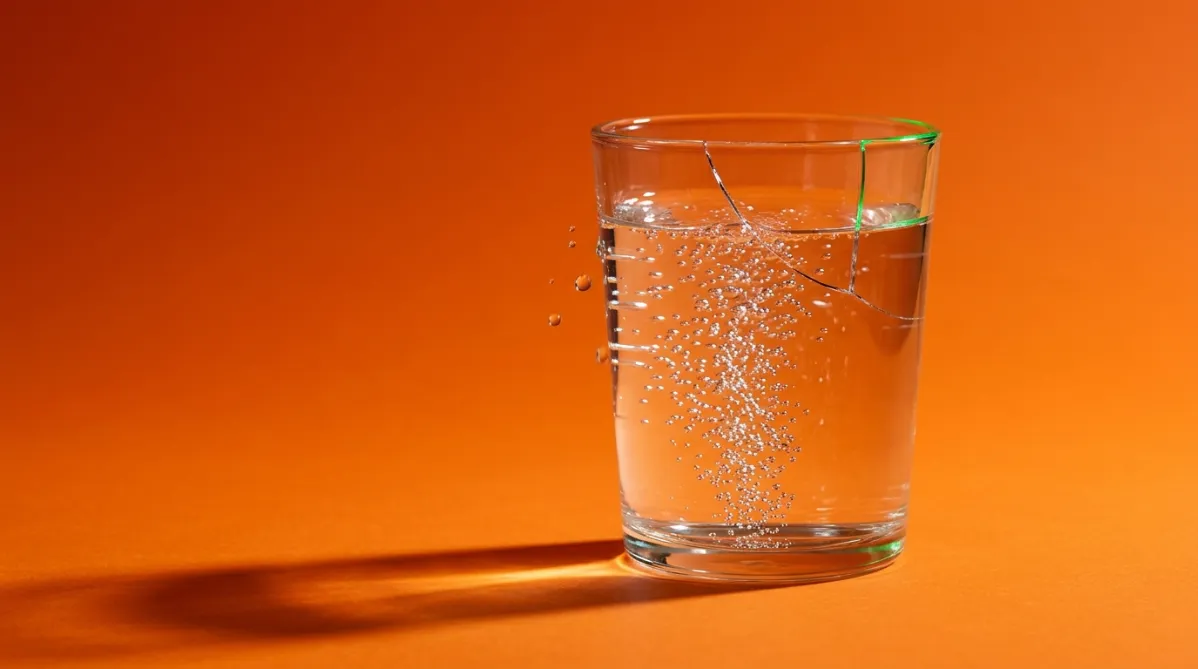
A single clear glass of water sits on a seamless saturated tangerine-orange backdrop, shot from a low three-quarter angle at eye level. Dense streams of tiny hydrogen bubbles rise through the water, but at the surface the glass has cracked in a thin, sharp fracture line that runs up the side, as if the "healthy" promise has split. A few droplets hang mid-air beside the crack. Hard directional studio light from the upper left casts a crisp, elongated shadow across the orange floor, and bright caustic highlights bend through the water. A tiny electric green (#00e676) reflection glints along the rim of the glass. The look is clean, graphic and photorealistic, with shallow depth of field. The mood is skeptical and tense, with a quiet sense of irony.
supplements

Água de hidrogênio deu errado: marcador de dano oxidativo aumentou no estudo

BY HELIX WARD ·

A água enriquecida com hidrogênio é divulgada como um antioxidante de fácil consumo, mas um ensaio randomizado e cego em pacientes com doença crônica de altitude mostrou o efeito oposto. Depois de oito semanas bebendo 990 mL por dia, o nível de MDA – marcador de dano oxidativo – aumentou mais no grupo que recebeu hidrogênio do que no placebo (+2,11, p < 0,001). A capacidade antioxidante total também subiu, e o aumento de MDA foi mais acentuado em pessoas com IMC ≥ 24. Eventos adversos foram mais frequentes na água de hidrogênio (50 % contra 37 %), principalmente tontura. O estudo foi pequeno e restrito a pacientes de altitude, portanto vale analisar o que isso realmente significa para os adeptos da água de hidrogênio.
Approach: Conceptual metaphor, palette D (bold color field).

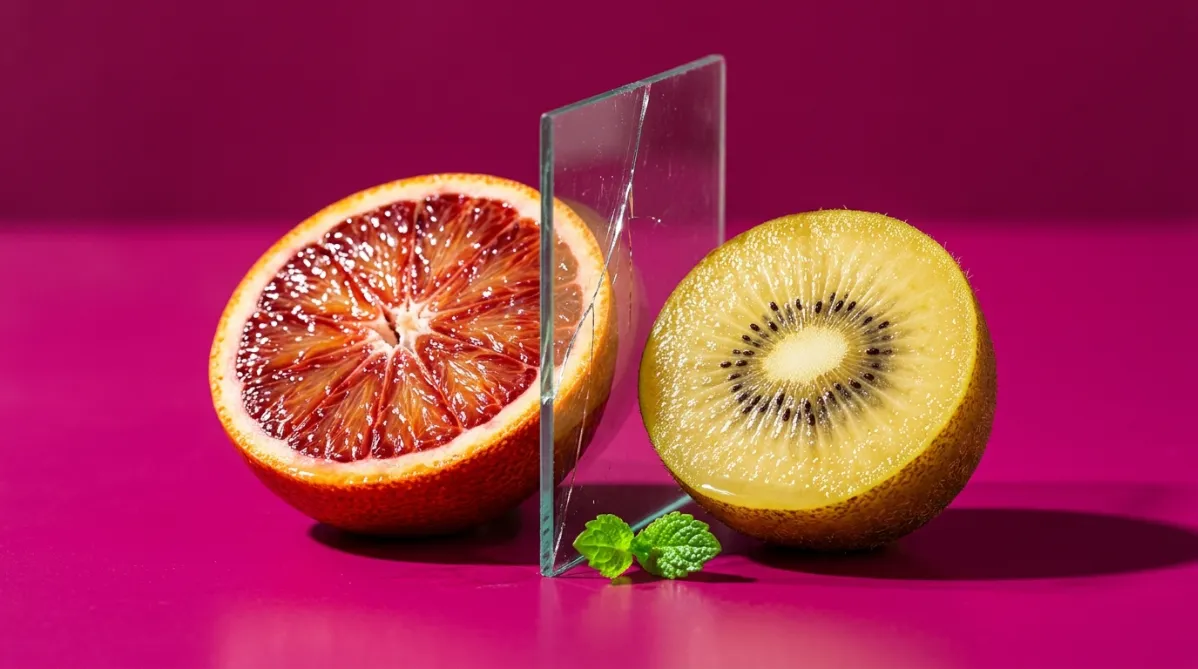
A single halved blood orange and a single halved yellow kiwi-style golden kiwi sit side by side on a saturated magenta seamless backdrop, shot from a low three-quarter angle with shallow depth of field. Between them, a thin, slightly cracked glass pane stands upright, partly dividing the two fruits to suggest "association, not cause." Glistening juice vesicles in the orange flesh catch crisp, directional studio light from the upper left, throwing a sharp, short shadow across the glossy magenta surface. A tiny electric green sprig of a fresh leaf rests at the base of the glass as the only green accent. Colors are juicy, vivid and contrasting: magenta, orange, gold. Mood is curious, clean and quietly skeptical, with a food-as-evidence feel. Photorealistic, tactile textures, no text or labels.
research

Vitamina C e E associadas a 18 % menor risco de Alzheimer, mas há uma pegadinha

BY NOVA CHEN ·

No Estudo de Rotterdam, com 5.395 idosos, maior ingestão dietética de vitamina C e vitamina E foi associada a cerca de 18 % a menos de risco de Alzheimer por desvio‑padrão. O padrão foi mais forte entre fumantes, onde betacaroteno e flavonoides também se destacaram. Contudo, trata‑se de um estudo observacional de consumo de alimentos, não de suplementos, mostrando associação e não causalidade. Alguns dos números para fumantes ainda têm intervalos de confiança que cruzam 1,0. A seguir, o que os dados realmente dizem, quais alimentos fornecem esses nutrientes e onde os suplementos entram ou não.

This page is available in