Biocracked
←

#antioxidants

2 articles
Approach: conceptual metaphor. Palette: bold color field (saturated orange).

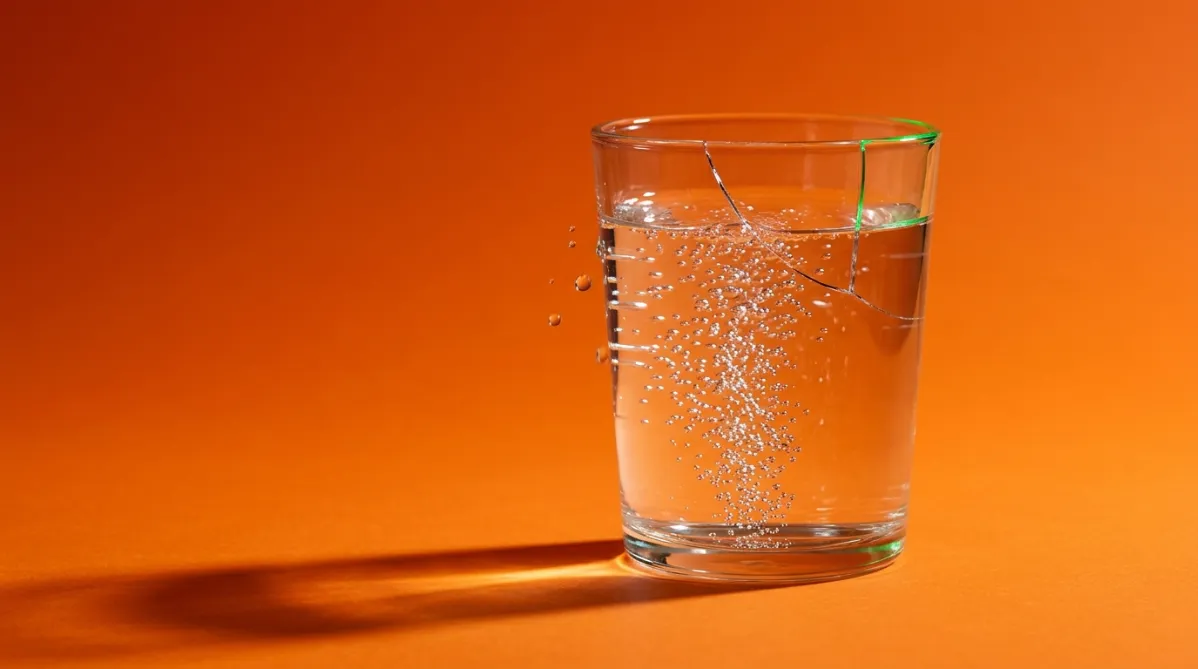
A single clear glass of water sits on a seamless saturated tangerine-orange backdrop, shot from a low three-quarter angle at eye level. Dense streams of tiny hydrogen bubbles rise through the water, but at the surface the glass has cracked in a thin, sharp fracture line that runs up the side, as if the "healthy" promise has split. A few droplets hang mid-air beside the crack. Hard directional studio light from the upper left casts a crisp, elongated shadow across the orange floor, and bright caustic highlights bend through the water. A tiny electric green (#00e676) reflection glints along the rim of the glass. The look is clean, graphic and photorealistic, with shallow depth of field. The mood is skeptical and tense, with a quiet sense of irony.
supplements

Wasserstoffwasser scheitert: Oxidativer Schadensmarker steigt in Studie

BY HELIX WARD ·

Wasserstoffreiches Wasser wird als einfacher Antioxidans‑Trick vermarktet. Eine randomisierte, verblindete Studie bei Menschen mit chronischer Höhenkrankheit zeigte jedoch das Gegenteil: Nach acht Wochen mit 990 ml pro Tag stieg der MDA‑Wert, ein Marker für oxidativen Schaden, in der Wasserstoffgruppe stärker an als im Placebo (+2,11, p < 0,001). Gleichzeitig nahm die Gesamt‑Antioxidationskapazität zu, und der Anstieg war bei Teilnehmenden mit einem BMI von 24 kg/m² oder höher besonders ausgeprägt. Nebenwirkungen, vor allem Schwindel, traten häufiger in der Wasserstoffgruppe auf (50 % vs. 37 %). Die Studie ist klein und auf Hochgebirgs‑Patienten beschränkt, sodass die Ergebnisse für Wasserstoffwasser‑Fans nur begrenzt gelten.
Approach: Conceptual metaphor, palette D (bold color field).

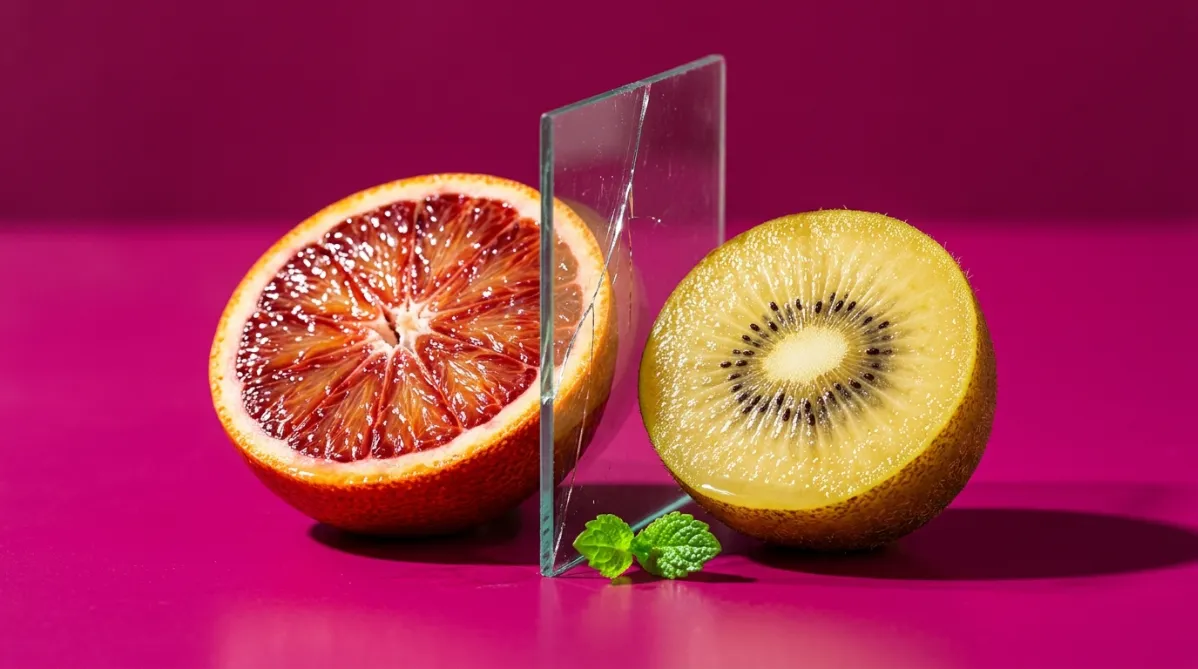
A single halved blood orange and a single halved yellow kiwi-style golden kiwi sit side by side on a saturated magenta seamless backdrop, shot from a low three-quarter angle with shallow depth of field. Between them, a thin, slightly cracked glass pane stands upright, partly dividing the two fruits to suggest "association, not cause." Glistening juice vesicles in the orange flesh catch crisp, directional studio light from the upper left, throwing a sharp, short shadow across the glossy magenta surface. A tiny electric green sprig of a fresh leaf rests at the base of the glass as the only green accent. Colors are juicy, vivid and contrasting: magenta, orange, gold. Mood is curious, clean and quietly skeptical, with a food-as-evidence feel. Photorealistic, tactile textures, no text or labels.
research

Vitamin C und E mit 18 % geringerem Alzheimer‑Risiko – aber mit Vorbehalt

BY NOVA CHEN ·

In der Rotterdam‑Studie mit 5 395 älteren Erwachsenen war eine höhere Aufnahme von Vitamin C und Vitamin E jeweils mit etwa 18 % niedrigerem Alzheimer‑Risiko pro Standardabweichung verbunden. Der stärkste Effekt zeigte sich bei Rauchern, wo zusätzlich Beta‑Carotin und Flavonoide hervortraten. Da es sich um eine Beobachtungsstudie zur Nahrungsaufnahme und nicht um ein Pillen‑Trial handelt, kann nur ein Zusammenhang, aber keine Kausalität nachgewiesen werden. Einige der signifikanten Zahlen für Raucher besitzen zudem Konfidenzintervalle, die die 1,0‑Marke überschreiten.

This page is available in