Biocracked
←

#antioxidants

2 articles
Approach: conceptual metaphor. Palette: bold color field (saturated orange).

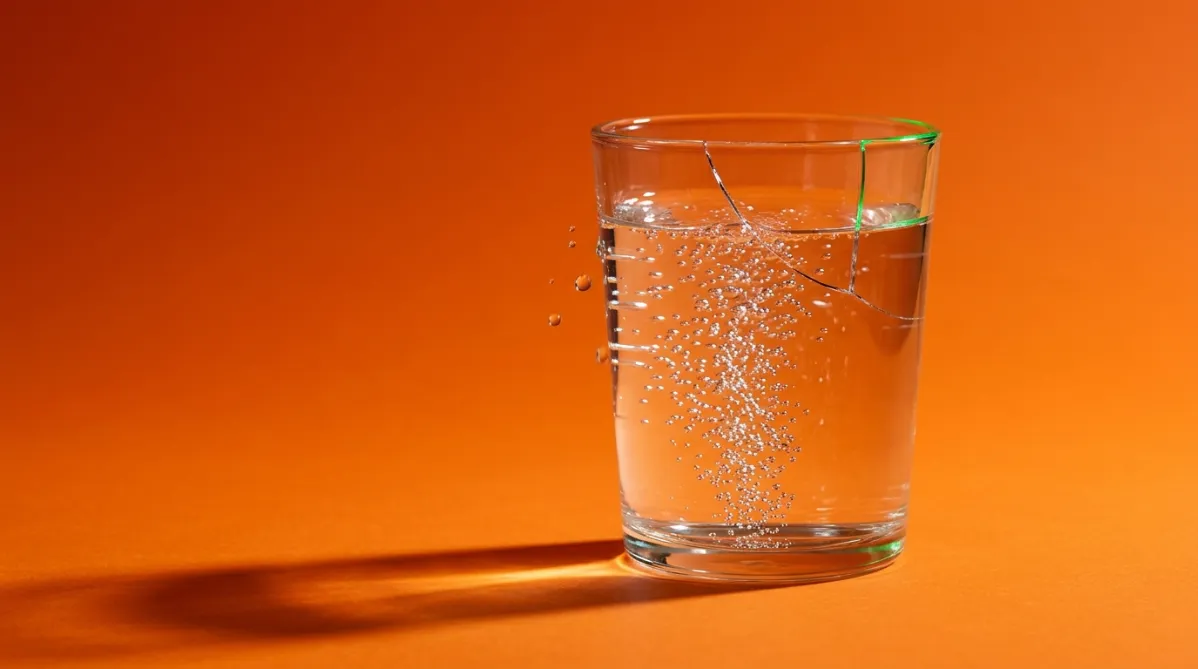
A single clear glass of water sits on a seamless saturated tangerine-orange backdrop, shot from a low three-quarter angle at eye level. Dense streams of tiny hydrogen bubbles rise through the water, but at the surface the glass has cracked in a thin, sharp fracture line that runs up the side, as if the "healthy" promise has split. A few droplets hang mid-air beside the crack. Hard directional studio light from the upper left casts a crisp, elongated shadow across the orange floor, and bright caustic highlights bend through the water. A tiny electric green (#00e676) reflection glints along the rim of the glass. The look is clean, graphic and photorealistic, with shallow depth of field. The mood is skeptical and tense, with a quiet sense of irony.
supplements

Agua de hidrógeno fracasa: el marcador de daño oxidativo aumenta en el ensayo

BY HELIX WARD ·

El agua enriquecida con hidrógeno se promociona como una solución antioxidante sencilla, pero un ensayo aleatorio, doble ciego y con placebo en pacientes con enfermedad crónica de la montaña mostró lo contrario. Tras ocho semanas de consumo (990 ml/día), el grupo que tomó hidrógeno vio elevarse su nivel de MDA, un marcador de daño oxidativo, más que el placebo (+2,11, p < 0,001). También aumentó la capacidad antioxidante total y el incremento de MDA fue mayor en personas con IMC ≥ 24. Los efectos adversos fueron más frecuentes con el agua de hidrógeno (50 % vs 37 %), sobre todo mareos. El estudio es pequeño y está limitado a una población de alta altitud, por lo que su relevancia para los consumidores habituales de agua de hidrógeno es puntual.
Approach: Conceptual metaphor, palette D (bold color field).

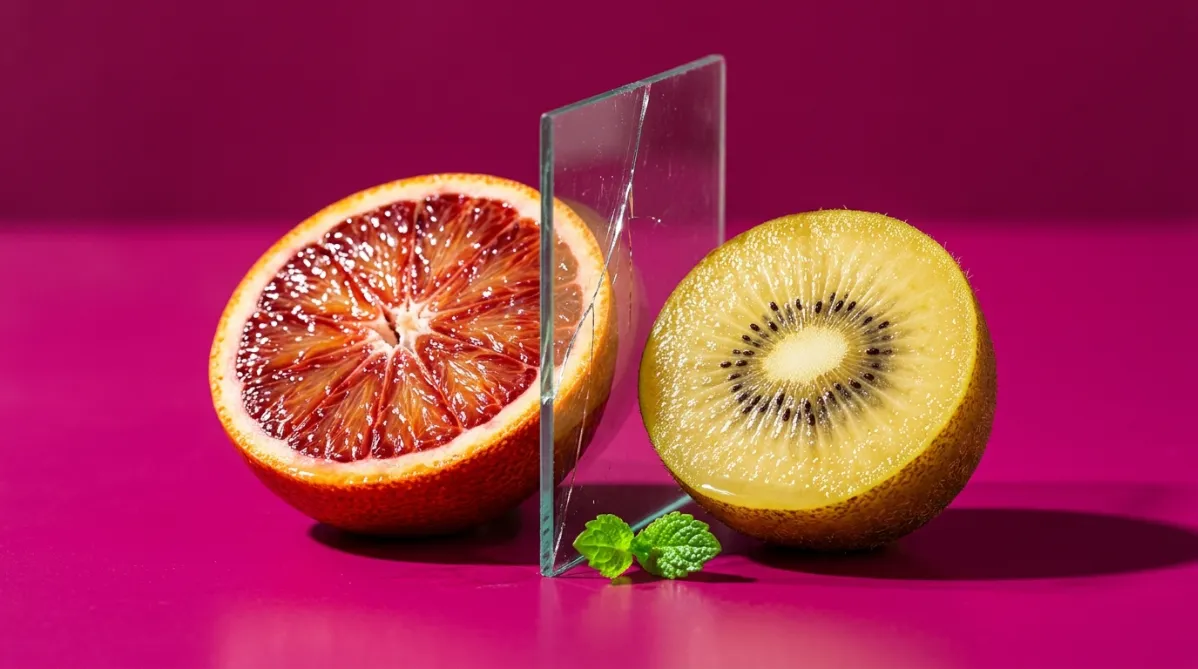
A single halved blood orange and a single halved yellow kiwi-style golden kiwi sit side by side on a saturated magenta seamless backdrop, shot from a low three-quarter angle with shallow depth of field. Between them, a thin, slightly cracked glass pane stands upright, partly dividing the two fruits to suggest "association, not cause." Glistening juice vesicles in the orange flesh catch crisp, directional studio light from the upper left, throwing a sharp, short shadow across the glossy magenta surface. A tiny electric green sprig of a fresh leaf rests at the base of the glass as the only green accent. Colors are juicy, vivid and contrasting: magenta, orange, gold. Mood is curious, clean and quietly skeptical, with a food-as-evidence feel. Photorealistic, tactile textures, no text or labels.
research

Vitamina C y E vinculadas a un 18 % menos de riesgo de Alzheimer, con una advertencia

BY NOVA CHEN ·

En el Rotterdam Study, con 5 395 adultos mayores, una mayor ingesta dietética de vitamina C y vitamina E se asoció con una reducción aproximada del 18 % en el riesgo de Alzheimer por cada desviación estándar. El efecto parecía más pronunciado entre los fumadores, en los que también destacaron el betacaroteno y los flavonoides. No obstante, se trata de un estudio observacional de consumo de alimentos, no de suplementos, por lo que solo muestra asociación y no causalidad. Algunas de las cifras observadas en los fumadores presentan intervalos de confianza que incluyen 1,0. A continuación se explica lo que realmente indican los datos, qué alimentos aportan estos nutrientes y cuándo los suplementos son (o no) apropiados.

This page is available in