Biocracked
←

#antioxidants

2 articles
Approach: conceptual metaphor. Palette: bold color field (saturated orange).

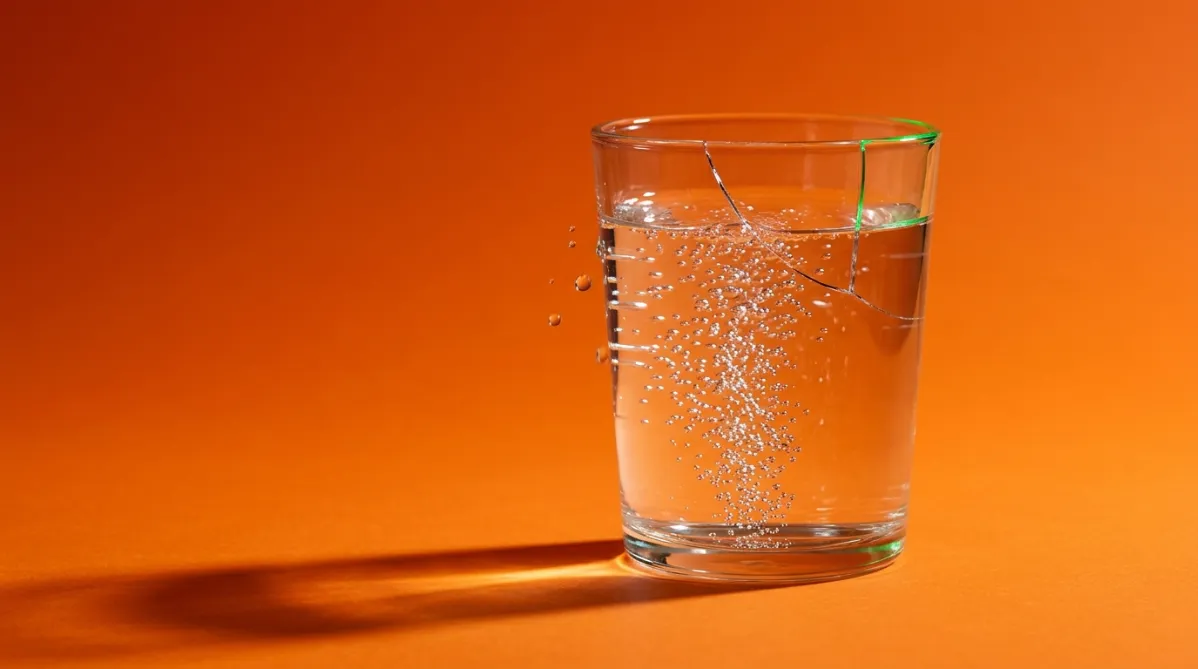
A single clear glass of water sits on a seamless saturated tangerine-orange backdrop, shot from a low three-quarter angle at eye level. Dense streams of tiny hydrogen bubbles rise through the water, but at the surface the glass has cracked in a thin, sharp fracture line that runs up the side, as if the "healthy" promise has split. A few droplets hang mid-air beside the crack. Hard directional studio light from the upper left casts a crisp, elongated shadow across the orange floor, and bright caustic highlights bend through the water. A tiny electric green (#00e676) reflection glints along the rim of the glass. The look is clean, graphic and photorealistic, with shallow depth of field. The mood is skeptical and tense, with a quiet sense of irony.
supplements

Hydrogen Water Backfired: Oxidative Damage Marker Rose in Trial

BY HELIX WARD ·

Hydrogen-rich water is marketed as an easy antioxidant win, but a randomized, blinded trial in people with chronic mountain sickness found the opposite signal. After 8 weeks of 990 mL/day, the hydrogen group's MDA, a marker of oxidative damage, rose more than placebo's, by +2.11 (p < 0.001). Total antioxidant capacity rose too, and the MDA increase was larger in people with a BMI of 24 or higher. Adverse events were more common with hydrogen water (50% vs 37%), mostly dizziness. The study was small and specific to altitude patients, so here is what it does and doesn't mean for hydrogen water fans.
Approach: Conceptual metaphor, palette D (bold color field).

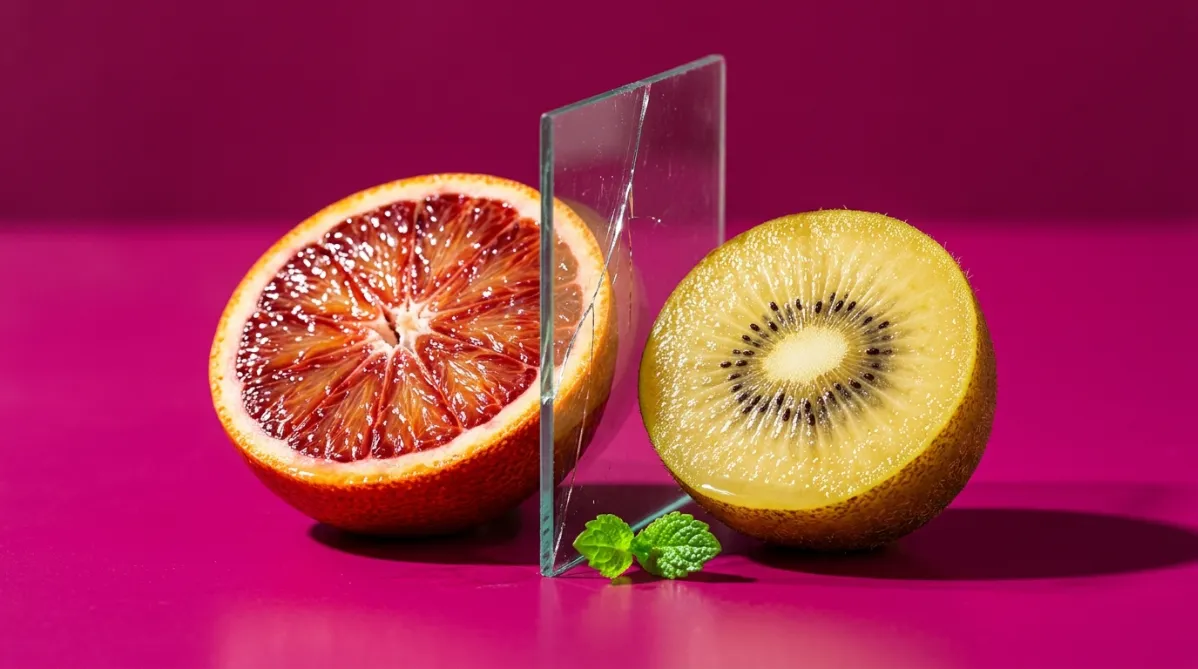
A single halved blood orange and a single halved yellow kiwi-style golden kiwi sit side by side on a saturated magenta seamless backdrop, shot from a low three-quarter angle with shallow depth of field. Between them, a thin, slightly cracked glass pane stands upright, partly dividing the two fruits to suggest "association, not cause." Glistening juice vesicles in the orange flesh catch crisp, directional studio light from the upper left, throwing a sharp, short shadow across the glossy magenta surface. A tiny electric green sprig of a fresh leaf rests at the base of the glass as the only green accent. Colors are juicy, vivid and contrasting: magenta, orange, gold. Mood is curious, clean and quietly skeptical, with a food-as-evidence feel. Photorealistic, tactile textures, no text or labels.
research

Vitamin C and E Linked to 18% Lower Alzheimer Risk, With a Catch

BY NOVA CHEN ·

In the Rotterdam Study of 5,395 older adults, higher dietary vitamin C and vitamin E intake were each linked to roughly 18% lower Alzheimer risk per standard deviation. The pattern looked strongest among smokers, where beta carotene and flavonoids also stood out. But this was an observational study of food intake, not pills, so it shows association rather than cause. Some of the headline smoker numbers also have confidence intervals that cross 1.0. Here is what the data actually say, which foods supply these nutrients, and where supplements do and do not fit.

This page is available in