Biocracked
←

#mtor

3 articles
Approach: conceptual metaphor. Palette: D, bold color field.

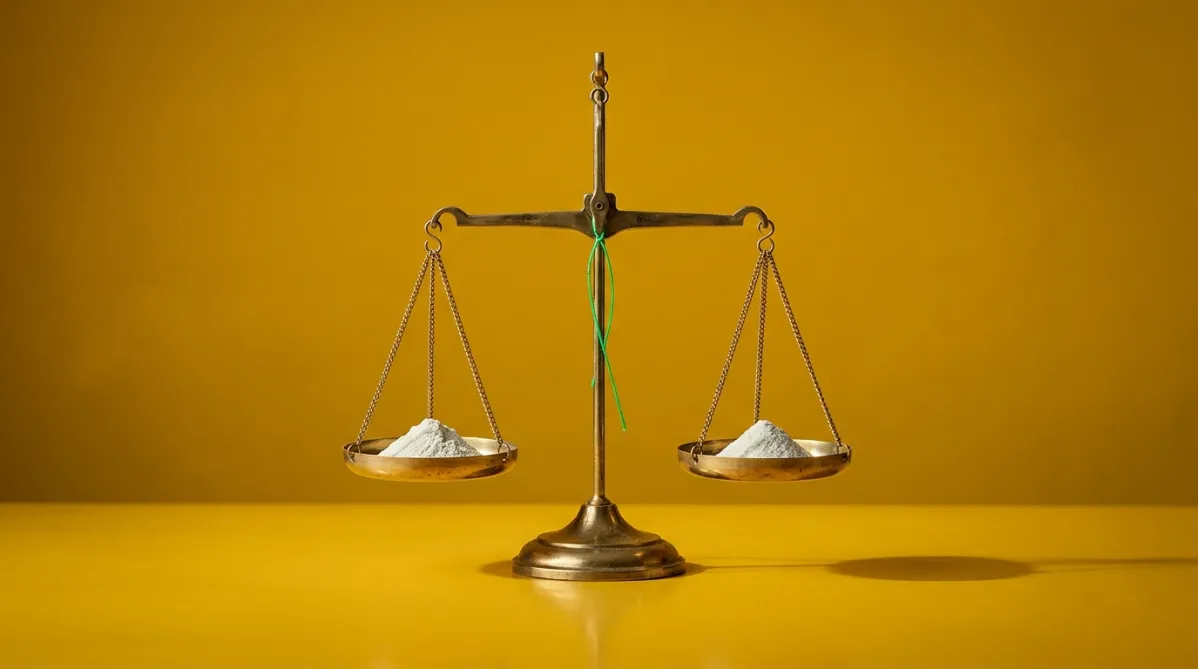
A single brass pocket-scale balance sits at the center of a saturated mustard-yellow seamless backdrop, shot straight-on from slightly below at eye level. Its two pans hang almost perfectly level. One pan holds a small pile of pale, matte white powder, and the other holds a similar pile, so the tiny, nearly equal difference reads at a glance. A thin electric green thread is tied around the balance's pointer, a subtle accent. Soft, large-window studio light comes from the left and casts a crisp, short shadow to the right on the glossy surface below. Shallow depth of field blurs the background edges. The mood is quiet, skeptical and unresolved, with a clean, editorial look. No text, numerals or markings are visible on the scale.
longevity

Rapamycin Failed a Huge Human Longevity Test. Here's the Catch

BY DR. SYNAPSE ·

Rapamycin is the darling of the longevity world, but its biggest real-world human test just came back unimpressive. Among 4,885 kidney transplant patients on rapamycin and 6,589 who weren't, median survival age was 64.6 vs 64.3 years, a statistically similar result after adjustment. Over a median 11-year follow-up with 6,443 deaths, researchers saw no meaningful lifespan gain. But the study involved transplant patients on immunosuppressive regimens and was observational, so it can't settle whether low, intermittent dosing works in healthy people. Here's what it does and doesn't tell you.
**Approach: Macro science. Palette: D, bold color field.**

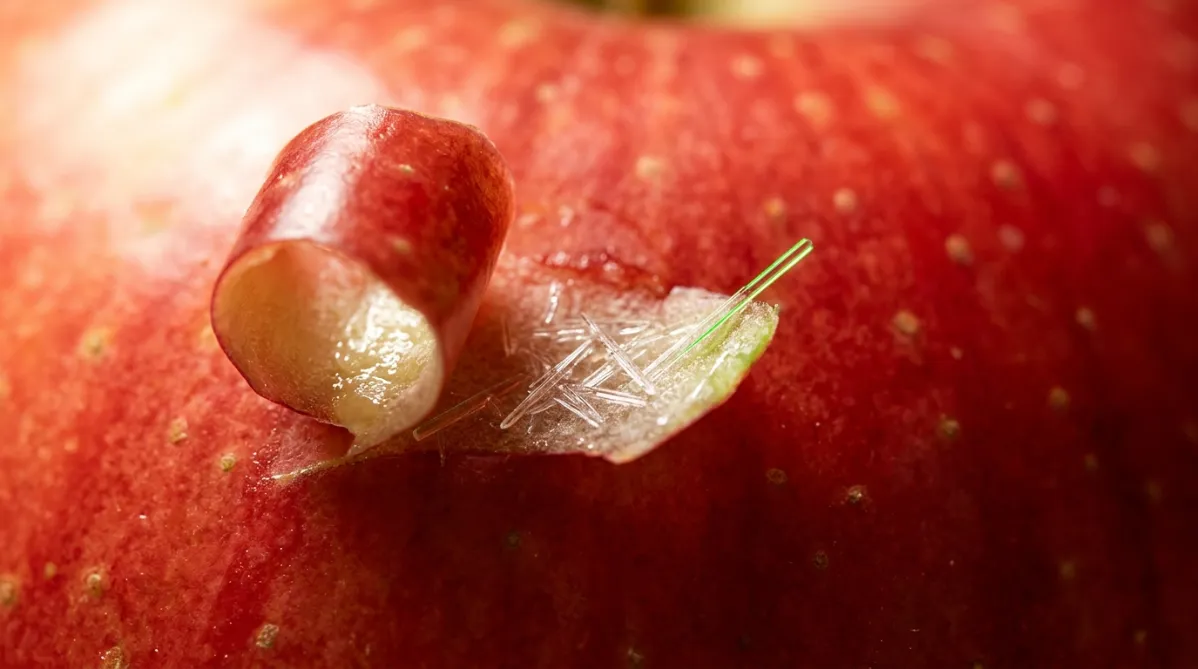
An extreme close-up macro photograph of the waxy surface of a red apple peel, with a small curl of peel lifted to show the pale, glistening underside. Fine, needle-like ursolic acid crystals sit in the wax bloom, catching the light as tiny translucent shards. The apple's skin fills the background in saturated tomato red with natural speckled lenticels. One thin electric green highlight glints along a single crystal edge. Shot at a slight 30-degree angle with a macro lens and very shallow depth of field, so the foreground crystals are razor sharp and the red falls away into soft blur. Lighting is bright, directional studio light from the upper left, with crisp specular highlights and warm, soft shadows. The mood is vivid, tactile and precise, with no text.
longevity

Apple Peel Compound Ursolic Acid Shields Muscle in Obese Mice

BY NOVA CHEN ·

An apple peel compound, ursolic acid, just showed a muscle-sparing effect in obese mice, and its cousin oleanolic acid did too. In high-fat-diet mice and fat-stressed muscle cells, both improved glucose handling, reduced muscle atrophy and supported mitochondria. The proposed mechanisms include reviving IRS/AKT/mTOR signaling, restraining FOXO1-driven breakdown and a possible link to PSMB1. But this is animal and cell work only, and it does not show these compounds protect human muscle or treat sarcopenia.
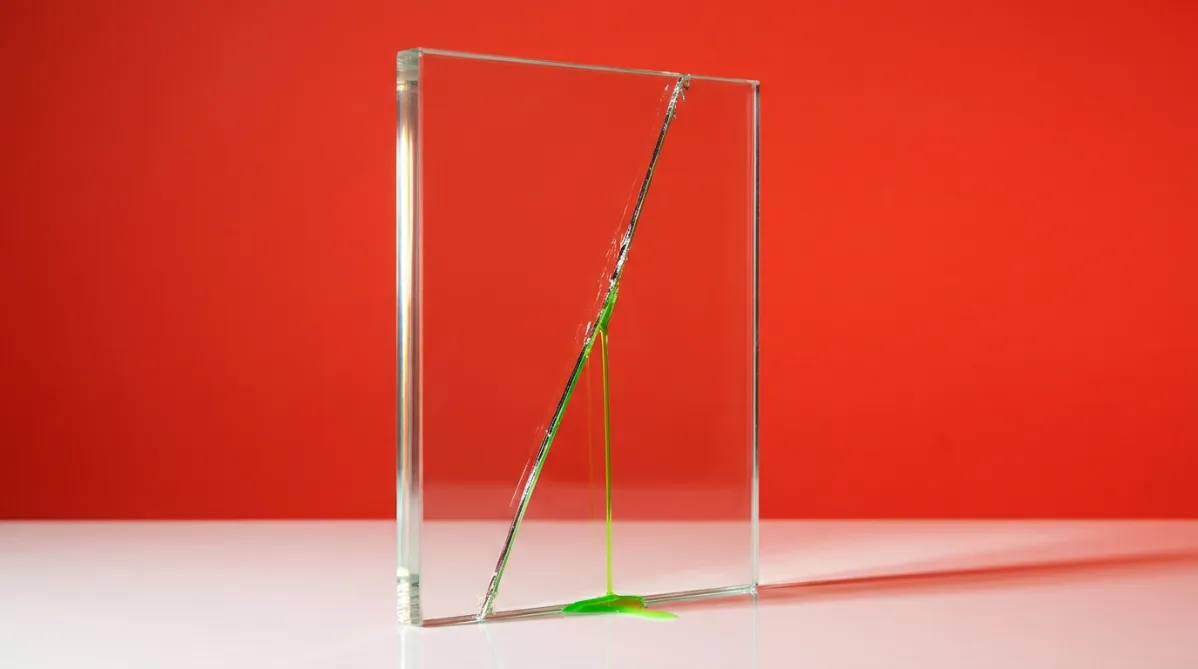
Conceptual metaphor: a sheet of thick, clear laboratory glass standing upright, with a single hairline fracture running diagonally across it. A thin ribbon of vivid electric-green liquid seeps through the crack and drips onto a glossy white surface below. The glass is photographed straight on, at a slight low angle, in crisp macro focus along the fracture edges, where tiny chips catch the light. The backdrop is a seamless, saturated tomato-red field that fills the frame. Soft, directional studio light from the left creates bright refraction lines along the glass edge and a clean, warm-red tinted shadow on the right. The mood is tense but revealing, a long-held assumption starting to give way. Empty space on the right balances the composition. No text, no people, and no blue cast.
longevity

Rapamycin 'Can't Reach the Brain'? Why That Myth Is Falling Apart

BY DR. SYNAPSE ·

"Rapamycin can't reach the brain" is one of the most repeated claims in longevity circles, and a new review says it rests on the wrong measurement. The drug is rarely detectable in cerebrospinal fluid, but the authors explain why that doesn't mean it stays out of brain tissue. Human glioblastoma samples, seizure control in tuberous sclerosis, PET scans in Alzheimer's, and blood flow in APOE4 carriers all point to real activity in the brain. The big catch is that nobody has directly measured the drug in healthy human brain tissue at therapeutic doses. Here's what the evidence supports, what it doesn't, and who should think twice.

This page is available in