Biocracked
←

#mtor

3 articles
Approach: conceptual metaphor. Palette: D, bold color field.

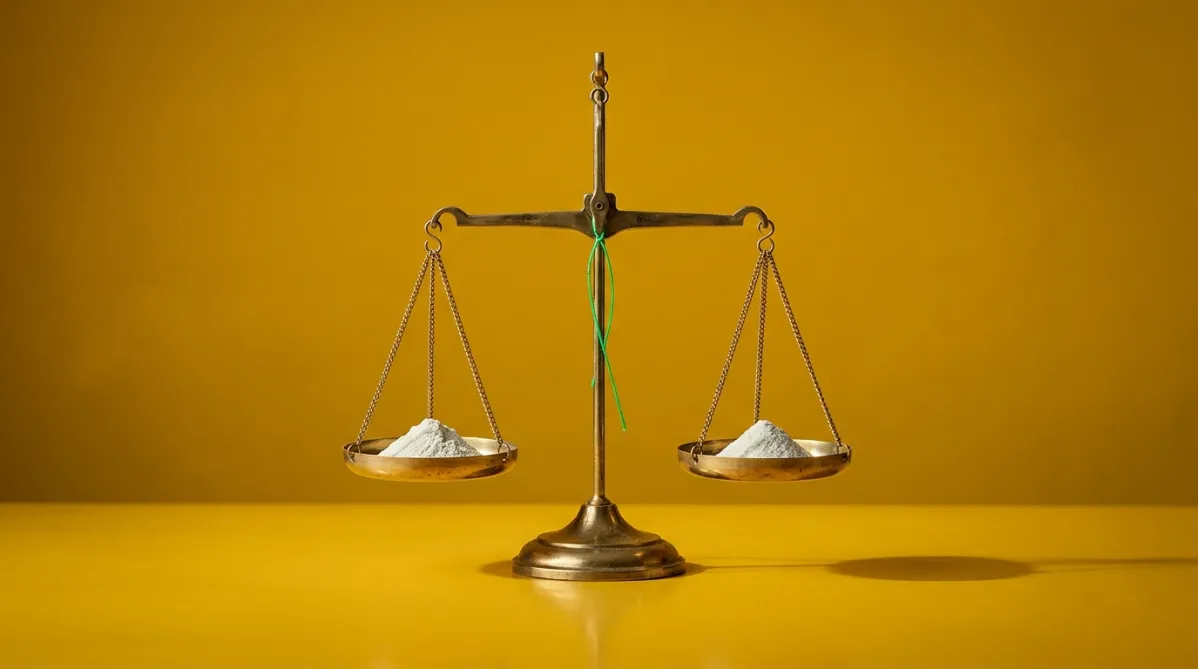
A single brass pocket-scale balance sits at the center of a saturated mustard-yellow seamless backdrop, shot straight-on from slightly below at eye level. Its two pans hang almost perfectly level. One pan holds a small pile of pale, matte white powder, and the other holds a similar pile, so the tiny, nearly equal difference reads at a glance. A thin electric green thread is tied around the balance's pointer, a subtle accent. Soft, large-window studio light comes from the left and casts a crisp, short shadow to the right on the glossy surface below. Shallow depth of field blurs the background edges. The mood is quiet, skeptical and unresolved, with a clean, editorial look. No text, numerals or markings are visible on the scale.
longevity

Rapamicina falhou em um enorme teste de longevidade humana: qual é a pegadinha

BY DR. SYNAPSE ·

Rapamicina é o queridinho da comunidade de longevidade, mas seu maior teste em humanos acabou sem resultados impressionantes. Em um estudo com 4.885 pacientes transplantados de rim que usaram rapamicina e 6.589 que não usaram, a idade média de sobrevivência foi de 64,6 vs 64,3 anos, praticamente idêntica após ajustes estatísticos. O acompanhamento médio foi de 11 anos, com 6.443 óbitos, e não foi observado ganho significativo de expectativa de vida. Contudo, como o estudo envolveu pacientes transplantados sob regimes imunossupressores e foi observacional, ainda não se pode concluir se doses baixas e intermitentes funcionam em pessoas saudáveis.
**Approach: Macro science. Palette: D, bold color field.**

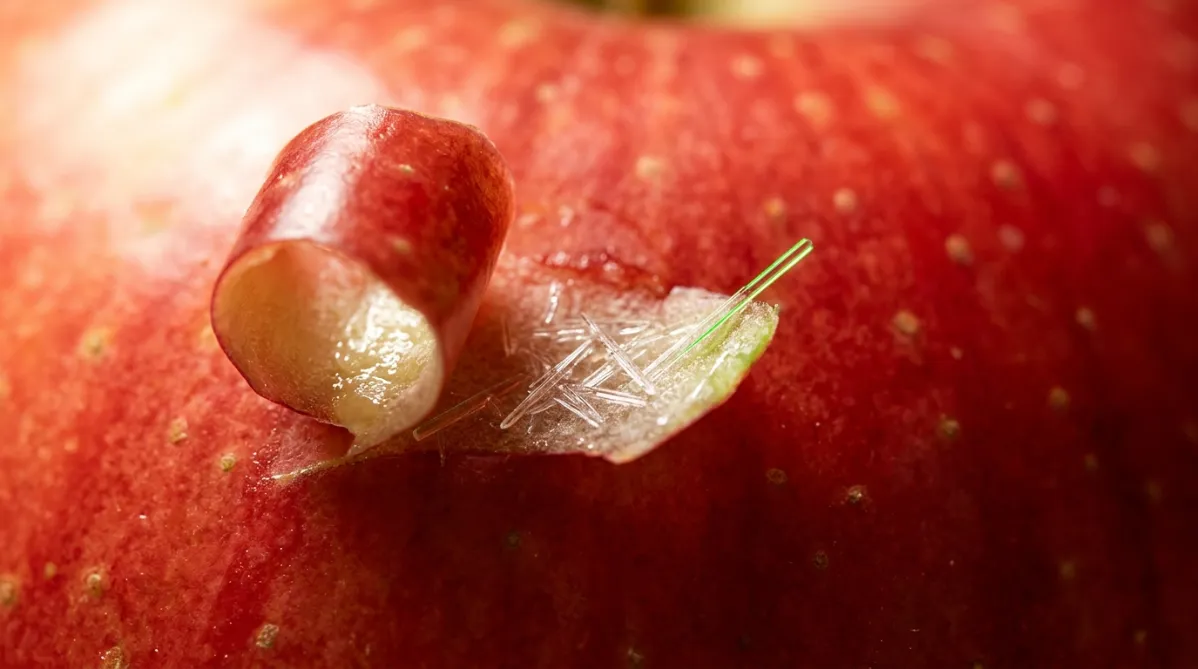
An extreme close-up macro photograph of the waxy surface of a red apple peel, with a small curl of peel lifted to show the pale, glistening underside. Fine, needle-like ursolic acid crystals sit in the wax bloom, catching the light as tiny translucent shards. The apple's skin fills the background in saturated tomato red with natural speckled lenticels. One thin electric green highlight glints along a single crystal edge. Shot at a slight 30-degree angle with a macro lens and very shallow depth of field, so the foreground crystals are razor sharp and the red falls away into soft blur. Lighting is bright, directional studio light from the upper left, with crisp specular highlights and warm, soft shadows. The mood is vivid, tactile and precise, with no text.
longevity

Ácido Ursólico da Casca de Maçã Protege Músculo em Camundongos Obesos

BY NOVA CHEN ·

Um composto presente na casca da maçã, o ácido ursólico, demonstrou efeito de preservação muscular em camundongos obesos, assim como seu primo, o ácido oleanólico. Em animais alimentados com dieta rica em gordura e em células musculares submetidas a estresse lipídico, ambos melhoraram o controle glicêmico, reduziram a atrofia muscular e favoreceram a função mitocondrial. Os mecanismos propostos incluem reativação da via IRS/AKT/mTOR, contenção da degradação mediada por FOXO1 e um possível vínculo com PSMB1. Contudo, os resultados são restritos a estudos em animais e em cultura de células, sem evidência de proteção muscular em humanos ou de tratamento da sarcopenia.
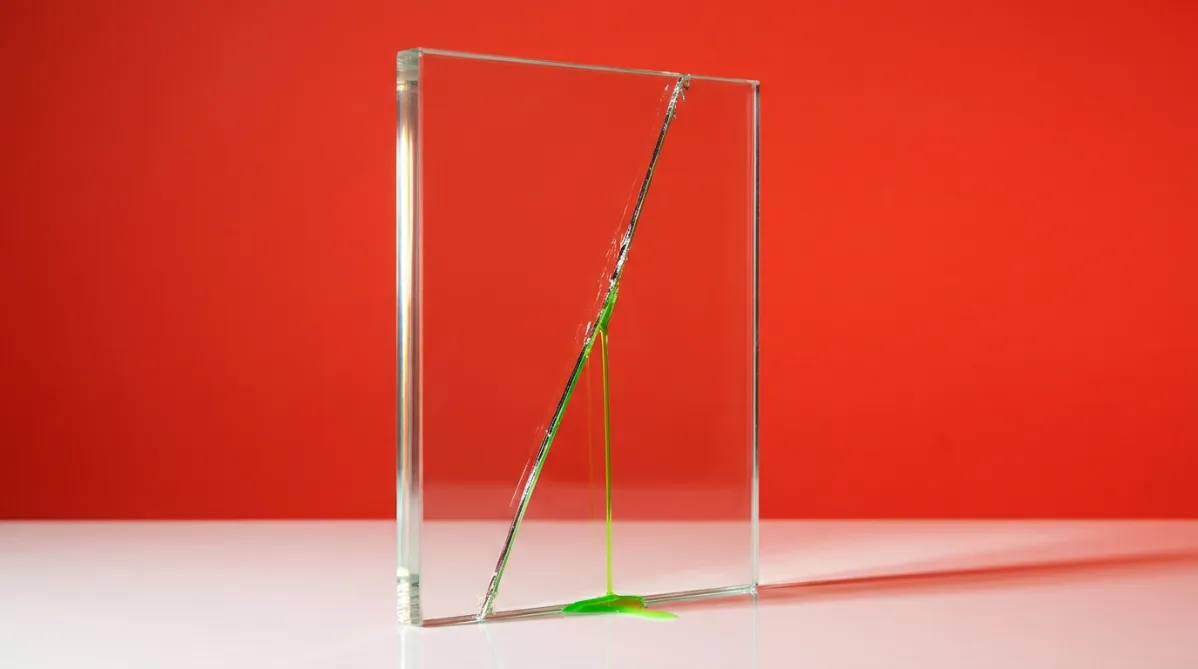
Conceptual metaphor: a sheet of thick, clear laboratory glass standing upright, with a single hairline fracture running diagonally across it. A thin ribbon of vivid electric-green liquid seeps through the crack and drips onto a glossy white surface below. The glass is photographed straight on, at a slight low angle, in crisp macro focus along the fracture edges, where tiny chips catch the light. The backdrop is a seamless, saturated tomato-red field that fills the frame. Soft, directional studio light from the left creates bright refraction lines along the glass edge and a clean, warm-red tinted shadow on the right. The mood is tense but revealing, a long-held assumption starting to give way. Empty space on the right balances the composition. No text, no people, and no blue cast.
longevity

Rapamicina “Não Consegue Chegar ao Cérebro”? Por Que Esse Mito Está Desmoronando

BY DR. SYNAPSE ·

“Rapamicina não chega ao cérebro” é uma das afirmações mais repetidas nos círculos de longevidade, mas uma nova revisão demonstra que ela se baseia em um proxy inadequado. Embora o fármaco raramente seja detectado no líquido cefalorraquidiano, isso não prova que ele não atue no tecido cerebral. Dados de glioblastoma humano, controle de crises em esclerose tuberosa, PET em Alzheimer e fluxo sanguíneo em portadores de APOE4 sugerem atividade real no cérebro. O grande problema é que ainda não medimos diretamente o fármaco em tecido cerebral saudável humano em doses terapêuticas. A seguir, veja o que a evidência apoia, o que ainda falta comprovar e quem deve repensar a questão.

This page is available in