Biocracked
←

#mitochondria

7 articles
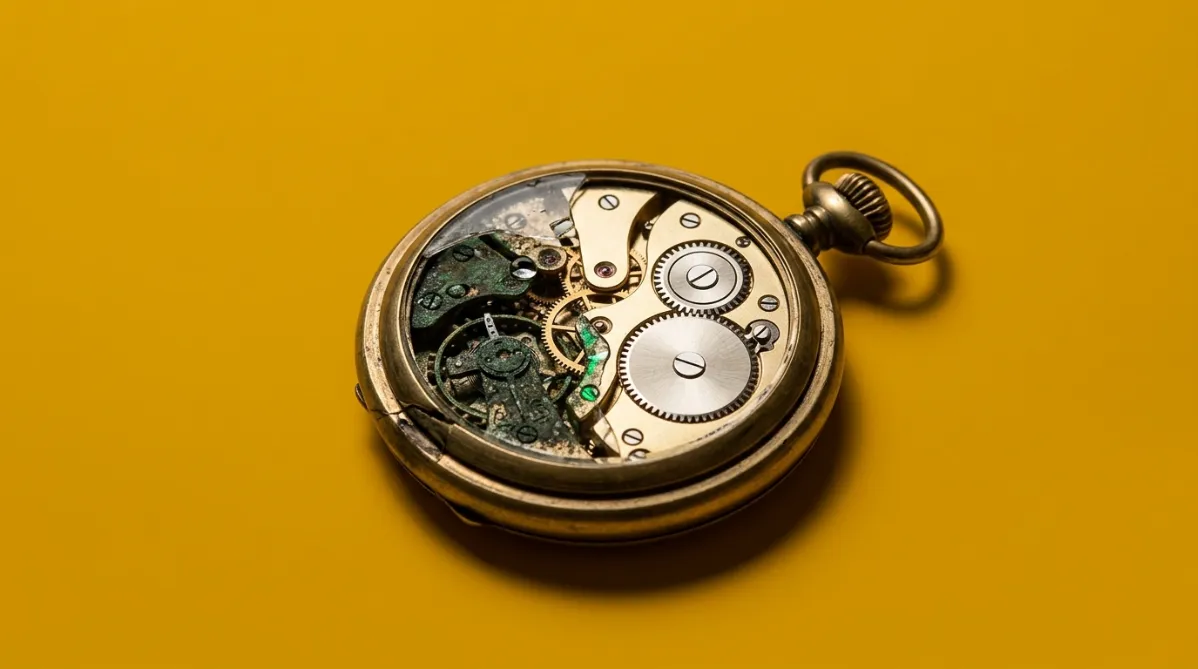
Approach 4, conceptual metaphor, in palette D, bold color field. A single old brass pocket watch, photographed from a slightly high three-quarter angle, sits on a saturated mustard-yellow seamless backdrop. The watch case is cracked open and its glass is gone. One half of the gear train is clean and polished. The other half is corroded, with a dull green-black patina. A few fine droplets of clear liquid sit on the corroded gears, and one tiny electric green (#00e676) glint of oxidation shows at the edge of the damage. Hard but slightly diffused studio strobe from the upper left casts a crisp, short shadow on the yellow. The macro lens gives a shallow depth of field, with the sharpest focus on the split between healthy and damaged gears. The mood is cautionary, precise and quietly unsettling. No text or numerals appear on the dial.
longevity

The Anti-Aging Compound Spermidine Has a Dark Side in Old T Cells

BY DR. SYNAPSE ·

Spermidine is widely promoted as an anti-aging polyamine, but a new mouse-derived cell study found it can sabotage a specific group of old immune cells. In senescence-like CD49d- CD8+ T cells, it cut mitochondrial respiration, depleted antioxidant reserves, and fragmented mitochondria, while neighboring CD49d+ cells were untouched. Cells from young mice responded differently, which makes age a key variable. This is preclinical work, not evidence of harm in humans, but it challenges the idea that spermidine helps every aging cell. Here's what the paper found and what it does and doesn't mean for you.
Approach: conceptual metaphor. Palette: bold color field.

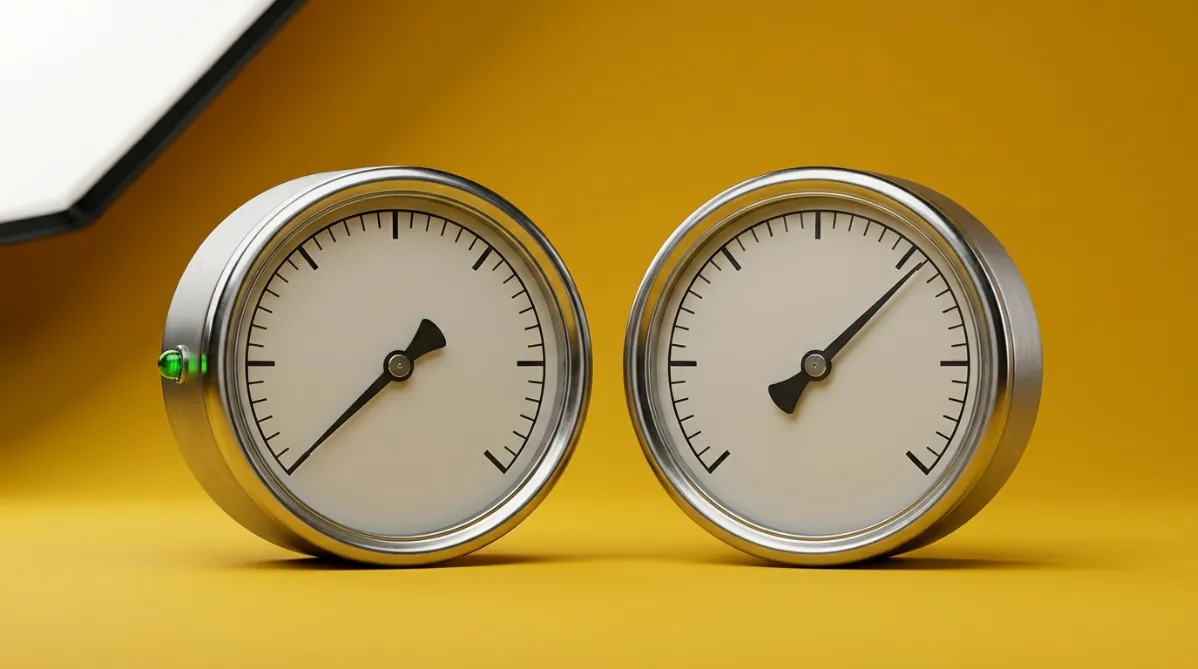
Subject: two identical brushed-steel analog pressure gauges side by side on a saturated mustard-yellow seamless backdrop, shot straight-on at eye level with a 85mm lens. The left gauge's needle swings down toward the low end, the right gauge's needle swings up into the high end, so they point in opposite directions. The dials are blank, with only unlabeled tick marks. A tiny electric green glass indicator lamp glows on the left gauge's rim. Lighting is a large softbox from the upper left, giving crisp highlights on the chrome bezels and short, clean shadows on the yellow surface. Shallow depth of field softens the background edges. Mood: playful, precise and tense, a visual argument between two opposing results.
longevity

NR Lowered Muscle Epigenetic Age. HIIT Pushed the Other Way

BY HELIX WARD ·

NR and HIIT are both billed as ways to keep muscle young, but a new Aging Cell paper found they can pull epigenetic clocks in opposite directions. Five months of nicotinamide riboside was associated with reduced muscle epigenetic age acceleration, especially on the PCHannum, MEAT, and DunedinPACE clocks. HIIT moved some clocks the other way, raising the pace of aging on DunedinPACE. The link between the two may be mitochondria, since changes in muscle mitochondrial content correlated with changes in MEAT-based age acceleration. Here is what the study actually shows, what it doesn't, and how to read it without overreacting.
Approach: conceptual metaphor. Palette: D, bold color field.

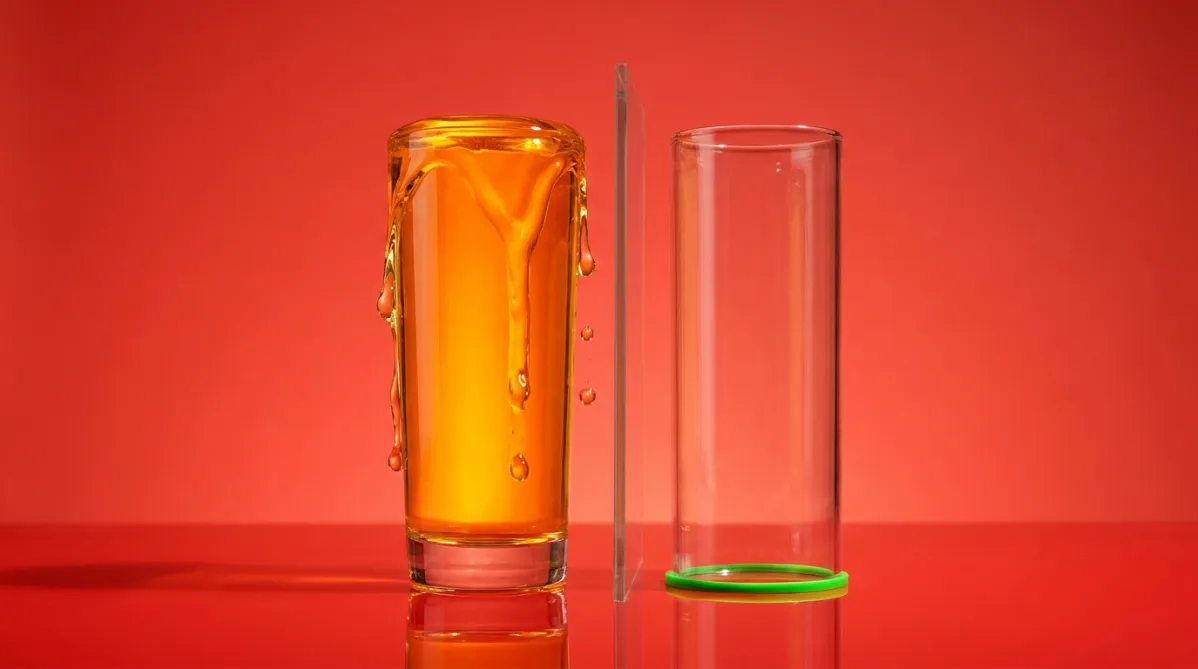
A tall glass of bright orange-gold liquid sits in the center of the frame, filled to the brim and overflowing down its sides, shot at a slight low angle. Beside it, a sealed, empty glass cylinder with a thin glass wall stays bone dry. A clear glass barrier stands between them, so the flow clearly never crosses. The backdrop is a saturated tomato-red seamless paper, with a glossy red surface reflecting both vessels. Hard, directional studio light from the upper left throws crisp, warm-neutral shadows and bright highlights along the glass rims and liquid droplets. One small electric green ring sits at the base of the empty cylinder as a subtle accent. Mood: tense, ironic, clean and editorial. Photorealistic, shallow depth of field, no text or labels.
supplements

Your CoQ10 Reaches Your Blood, But Not Your Mitochondria

BY NOVA CHEN ·

A new human trial put a hugely popular longevity supplement to the test with muscle biopsies, and the results are awkward for the marketing. In 40 healthy adults averaging 74 years, 400 mg/day of CoQ10 for 12 weeks raised blood levels but left muscle and mitochondrial CoQ10 unchanged. Mitochondrial function, VO2max, glucose control and body composition did not move either. The study is small, short and limited to robust older adults, and the senior author consults for Pharma Nord. Here is what it shows, what it cannot say, and who might still want to ask a doctor about CoQ10.

Approach: conceptual metaphor. Palette: bold color field.

A single oversized brass balance scale sits on a saturated tomato-red seamless backdrop, photographed at a low three-quarter angle. One pan holds a small, glowing ember-orange coal that is cooling and dimming to grey ash at its edges, standing for inflammation. The other pan holds a tightly coiled, freshly cut green plant sprout with a tiny electric green (#00e676) tip, standing for repair and growth. The scale tips slightly toward the ember, leaving the viewer unsure which side is better. Hard but clean studio key light from upper left casts a crisp, graphic shadow across the red surface. Brass shows real fingerprints and fine scratches, and the ash has a visible powdery texture. The mood is tense, thoughtful and questioning, with the whole image shot at shallow depth of field and the fulcrum in sharp focus. No text, no markings on the scale.
supplements

NMN Calms Muscle Inflammation After Training—But at What Cost?

BY NOVA CHEN ·

NMN is sold as a cellular-energy booster, but a new muscle-biopsy study found a surprising tradeoff. After a damaging blood flow restriction workout, 1,200 mg/day of NMN suppressed inflammatory signals like TNF-α and IL-10. It also delayed a repair-related marker and erased the 171% mitochondrial increase seen with placebo. The study is tiny (11 untrained young men), so it can't settle anything. It does challenge the assumption that less post-workout inflammation is always better.
**Approach:** Conceptual metaphor, in a bold color field palette (D).

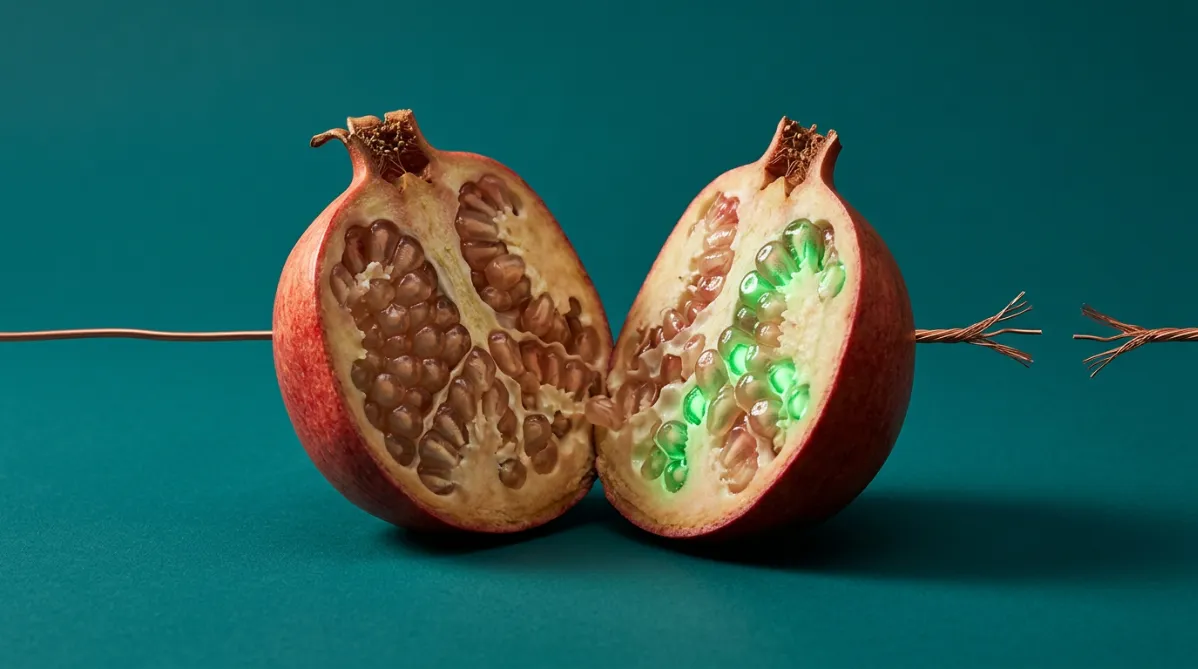
A single ripe pomegranate, split open, on a saturated teal backdrop. It is the natural source of urolithin A's precursors. The camera sits at a slightly low three-quarter angle, close enough to show glossy, translucent arils. On the left half, the arils sit dull and tightly packed. On the right, a few arils hold a faint electric green glow, as if lit from within, hinting at a selective response in one place and not another. Behind the fruit, a thin copper wire runs across the frame and is unbroken on one side and fraying on the other, standing for arteries versus brain vessels. Soft, directional studio light from the upper left casts crisp shadows. Mood: curious, restrained, quietly hopeful. No text anywhere.
supplements

Urolithin A Didn't Fix Arteries in 4 Weeks, but the Brain Responded

BY NOVA CHEN ·

A double-blind trial of 50 adults aged 40-64 with obesity found that 1,000 mg of urolithin A daily for four weeks did not improve flow-mediated dilation, the study's primary endpoint. Peripheral microvascular measures were also unchanged. Yet task-evoked cerebrovascular hemodynamic responses were significantly greater with urolithin A than with placebo, even though task performance did not budge. Because the brain result is a secondary outcome from a short, small trial, it is a lead rather than a conclusion. Here is what the data show, what they don't, and what it means for anyone considering the supplement.
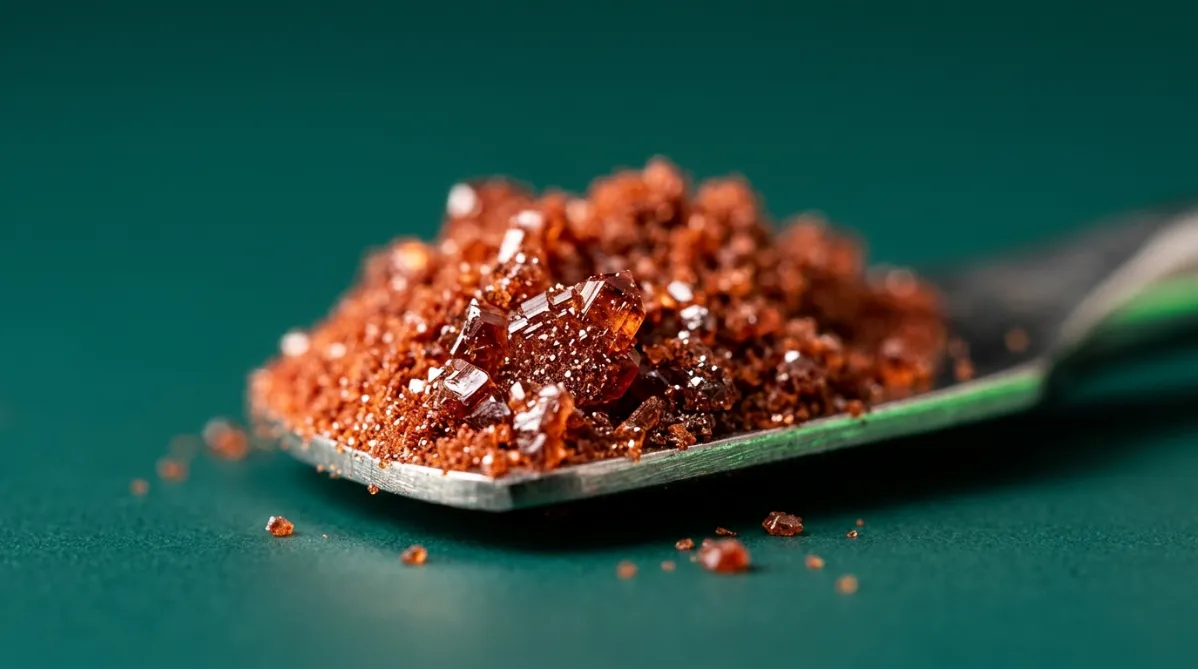
Macro science approach: an extreme close-up of PQQ disodium salt, a deep reddish-orange crystalline powder, heaped on the tip of a stainless steel micro-spatula. The camera is low, at a slight 30-degree angle, with a very shallow depth of field. The nearest crystals are razor sharp, showing faceted, glassy edges and fine granular dust, while the rest of the pile melts into soft blur. A single large softbox from the upper left creates bright specular glints on the crystal faces and a crisp, warm shadow. The backdrop is a smooth, saturated teal-green color field that contrasts strongly with the red-orange subject. A few stray grains rest on the matte teal surface below. A faint electric green reflection runs along the spatula's edge. The mood is precise, curious and scrutinizing, like an ingredient under inspection. No text or labels.
supplements

PQQ Boosted Memory in 12 Weeks, in Both Young and Older Adults

BY NOVA CHEN ·

A double-blind, placebo-controlled trial found that 20 mg/day of PQQ disodium salt improved memory scores in adults aged 20-65 after 12 weeks. The timing differed by age: younger adults gained on cognitive flexibility and speed by week 8, while adults aged 41-65 improved on verbal and complex memory at week 12. The catch is that the authors work for Mitsubishi Gas Chemical, which makes a PQQ ingredient, and the abstract omits the sample size. Here is what the study showed, what it didn't, and how to read it before you buy a bottle.
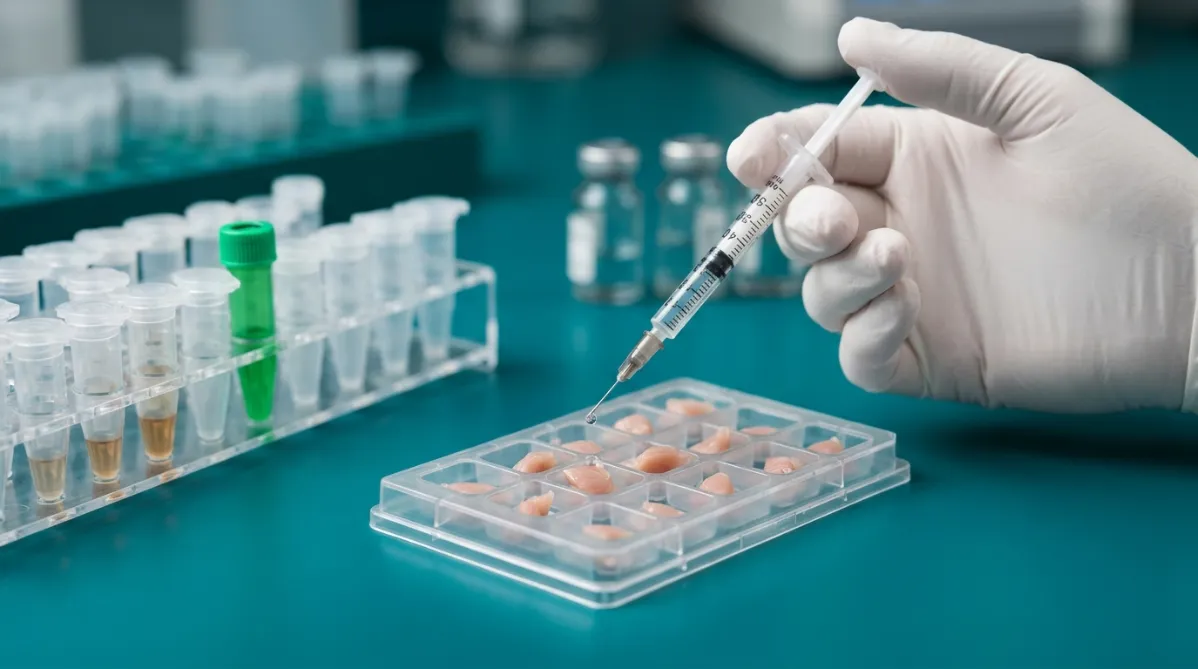
**Approach: Lab in action. Palette: D, bold color field (teal).**

Overhead three-quarter angle on a gloved hand holding a small insulin-style syringe over a tray of mouse-muscle tissue samples. The nitrile glove is bright white, and the backdrop is a saturated teal lab bench surface with a soft sheen. Tiny clear microtubes sit in a rack, and a few contain a faint amber liquid. One thin electric green cap on a tube is the only green accent. The lighting is bright, even studio-like lab light with crisp, soft-edged shadows and a gentle highlight on the syringe barrel and a single hanging droplet at the needle tip. The depth of field is shallow, so the background tubes blur into teal. The mood is precise, focused and quietly hopeful, with no readable text or labels anywhere.
peptides

One Shot Made Old Mouse Muscle Mitochondria Act Young in 1 Hour

BY HELIX WARD ·

A single injection of SS-31 (elamipretide) restored muscle mitochondrial energy production in very old mice to young levels within one hour. That result comes from a 2013 mouse study, not from human trials. The peptide had no observable effect on young muscle, and eight days of treatment improved endurance in the old animals. In humans, elamipretide won FDA accelerated approval for Barth syndrome but missed its primary endpoints in the MMPOWER-3 mitochondrial myopathy trial. Here is what the study showed, where it falls short, and why grey-market versions are a bad idea.

This page is available in