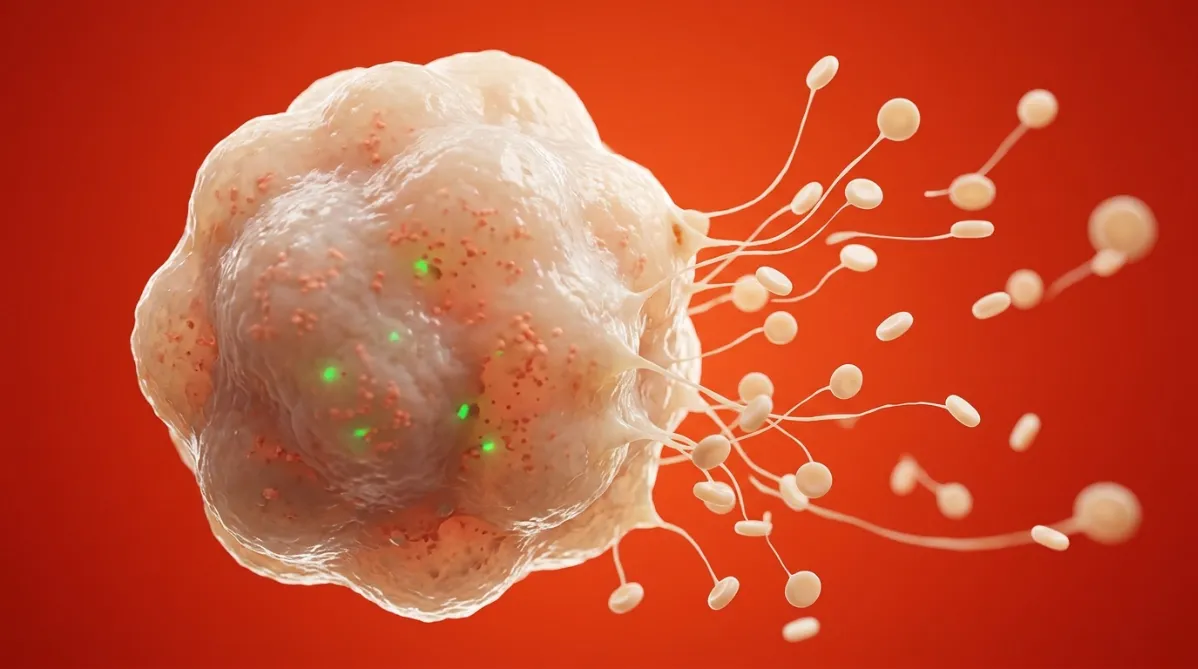
A popular supplement may have just picked up a surprising new mechanism: calming the cells that make your platelets. But the study was done in mice and lab‑grown cells, not people, and that matters a lot.
Một thực phẩm bổ sung phổ biến dường như vừa khám phá ra một cơ chế mới bất ngờ: làm dịu các tế bào sản xuất tiểu cầu của bạn. Tuy nhiên, nghiên cứu này được thực hiện trên chuột và các tế bào nuôi trong phòng thí nghiệm, không phải trên người, và điều đó rất quan trọng.
A new paper in Aging Cell reports that coenzyme Q10 (CoQ10) improved the function of aged megakaryocytes in mice. Megakaryocytes are the large bone‑marrow cells that produce platelets. The treated animals also showed less platelet aggregation and activation. Here is what was found, what it does and doesn't mean, and who should be cautious.
Một bài báo mới trên Aging Cell cho biết coenzyme Q10 (CoQ10) cải thiện chức năng của các megakaryocyte già ở chuột. Megakaryocyte là những tế bào tủy xương lớn chịu trách nhiệm tạo ra tiểu cầu. Các con chuột được điều trị cũng cho thấy giảm sự kết tụ và kích hoạt tiểu cầu. Dưới đây là những gì đã được phát hiện, ý nghĩa của chúng và ai nên thận trọng.
The Big Idea: Old Platelet Factories Misfire
Ý tưởng lớn: Nhà máy tiểu cầu già hoạt động sai lệch
Platelets are the tiny cell fragments that help blood clot. As we age, the cells that make them can become dysfunctional, and platelets can become "hyperreactive," meaning they clump and activate more readily. The authors note that this age‑related megakaryocyte dysfunction may increase thrombotic (clotting) risk.
Tiểu cầu là những mảnh vụn tế bào siêu nhỏ giúp máu đông. Khi chúng ta già đi, các tế bào tạo ra tiểu cầu có thể bị rối loạn, khiến tiểu cầu trở nên "quá nhạy cảm," tức là chúng dễ kết tụ và kích hoạt hơn. Các tác giả lưu ý rằng rối loạn megakaryocyte liên quan tới tuổi tác có thể làm tăng nguy cơ huyết khối.
What was unclear, according to the researchers, was whether CoQ10 could restore megakaryocyte health, and whether autophagy might be involved. Autophagy is the cell's internal recycling system, which clears damaged components.
Theo các nhà nghiên cứu, chưa rõ liệu CoQ10 có thể khôi phục sức khỏe megakaryocyte hay không, và liệu quá trình tự thực bào (autophagy) có liên quan hay không. Autophagy là hệ thống tái chế nội bộ của tế bào, giúp loại bỏ các thành phần bị hư hại.
What the Researchers Actually Did
Những gì các nhà nghiên cứu thực sự làm
The team gave CoQ10 for 12 weeks to male C57BL/6J mice at several ages: 1, 9, 15, 19, 21, and 23 months. They then examined bone‑marrow megakaryocytes and platelet behavior. They also used a human megakaryocyte‑like cell line (MEG‑01) pushed into a senescent, "aged" state with hydrogen peroxide. This let them test the mechanism with drugs that turn autophagy up or down and with gene knock‑down.
Nhóm nghiên cứu cho chuột đực C57BL/6J uống CoQ10 trong 12 tuần ở nhiều độ tuổi: 1, 9, 15, 19, 21 và 23 tháng. Sau đó họ xét nghiệm megakaryocyte trong tủy xương và hành vi của tiểu cầu. Họ cũng sử dụng dòng tế bào giống megakaryocyte người (MEG‑01) được đưa vào trạng thái lão hoá bằng hydrogen peroxide. Điều này cho phép họ kiểm tra cơ chế bằng các loại thuốc tăng hoặc giảm autophagy và bằng kỹ thuật knock‑down gene.
The Headline Findings
Những phát hiện chính
Better megakaryocyte function in aged mice. CoQ10 enhanced megakaryocyte proliferation, maturation and polyploidization (the DNA multiplication step these cells undergo as they mature).
Signs of boosted autophagy. Changes in the markers LC3‑II/LC3‑I and p62 were consistent with increased autophagy in bone‑marrow megakaryocytes.
A new player: COPS3. Proteomic analysis found higher COPS3 levels in megakaryocytes from CoQ10‑treated 24‑month‑old mice.
Calmer platelets. CoQ10 did not change platelet counts in naturally aged mice, but it was associated with reduced platelet aggregation and activation.
Cải thiện chức năng megakaryocyte ở chuột già. CoQ10 tăng cường sinh sản, trưởng thành và đa bội (polyploidization) của megakaryocyte (giai đoạn sao chép DNA khi chúng phát triển).
Dấu hiệu tăng autophagy. Sự thay đổi các chỉ báo LC3‑II/LC3‑I và p62 phù hợp với việc autophagy được kích hoạt mạnh hơn ở megakaryocyte tủy xương.
Một nhân tố mới: COPS3. Phân tích proteomics cho thấy mức độ COPS3 cao hơn ở megakaryocyte của chuột 24 tháng được cho CoQ10.
Tiểu cầu dịu hơn. CoQ10 không làm thay đổi số lượng tiểu cầu ở chuột già tự nhiên, nhưng liên quan đến giảm kết tụ và kích hoạt tiểu cầu.
The Mechanism: Where COPS3 Fits
Cơ chế: Vai trò của COPS3
In the senescent MEG‑01 cells, the responses to rapamycin and LY294002 supported the idea that autophagy‑related signaling is involved in CoQ10's effects. CoQ10 also increased COPS3 expression even under autophagy‑inhibiting conditions. Flux assays using bafilomycin A1 showed greater LC3‑II accumulation, which supports increased autophagic flux rather than just a buildup of unprocessed material.
Trong các tế bào MEG‑01 lão hoá, phản ứng với rapamycin và LY294002 ủng hộ giả thuyết rằng tín hiệu liên quan đến autophagy tham gia vào tác dụng của CoQ10. CoQ10 cũng làm tăng biểu hiện COPS3 ngay cả khi autophagy bị ức chế. Các thí nghiệm flux sử dụng bafilomycin A1 cho thấy tích lũy LC3‑II nhiều hơn, chứng tỏ tăng flux autophagic chứ không chỉ là sự tích tụ chất chưa xử lý.
When the researchers knocked down COPS3, CoQ10's effects on autophagy markers were attenuated, and its effects on megakaryocyte maturation and polyploidization were partially reduced. So COPS3 appears to contribute but is not the whole story. The authors say it "may not solely mediate" the responses, and that CoQ10 works "in part" through COPS3‑associated autophagy regulation.
Khi các nhà nghiên cứu knock‑down COPS3, tác động của CoQ10 lên các chỉ báo autophagy giảm đi, và tác dụng của nó lên sự trưởng thành và đa bội của megakaryocyte chỉ giảm một phần. Vì vậy COPS3 dường như đóng góp nhưng không phải là yếu tố duy nhất. Các tác giả cho rằng nó "có thể không phải là duy nhất" và CoQ10 hoạt động "một phần" thông qua việc điều hòa autophagy liên quan đến COPS3.
Why This Is Not a Clot‑Prevention Claim
Tại sao đây không phải là bằng chứng ngăn ngừa cục máu
Mouse and cell work only. The paper contains no human data.
Male mice only. Findings may not carry over to females or to people.
No clot outcomes. The paper reports reduced platelet aggregation and activation as markers. It does not show that CoQ10 prevented clots, heart attacks or strokes.
Platelet counts didn't change. The effect was on how platelets behave, not how many there are.
Mechanism is partial. Knocking down COPS3 only partly blunted the effects, so other pathways are likely involved.
Chỉ là nghiên cứu trên chuột và tế bào. Bài báo không có dữ liệu người.
Chỉ dùng chuột đực. Kết quả có thể không áp dụng cho nữ hoặc con người.
Không có kết quả ngăn cục máu. Bài báo chỉ báo cáo giảm kết tụ và kích hoạt tiểu cầu như các chỉ số, không chứng minh CoQ10 ngăn ngừa cục máu, nhồi máu cơ tim hay đột quỵ.
Số lượng tiểu cầu không thay đổi. Ảnh hưởng là về hành vi của tiểu cầu, không phải số lượng.
Cơ chế chưa đầy đủ. Knock‑down COPS3 chỉ làm giảm một phần hiệu quả, cho thấy còn những con đường khác tham gia.
The authors frame their work as a "mechanistic basis for further investigation" of CoQ10 as a nutritional strategy for age‑related platelet dysfunction. That is a research direction, not a treatment recommendation.
Các tác giả đặt công trình của mình như một "cơ sở cơ chế cho nghiên cứu tiếp theo" về CoQ10 như một chiến lược dinh dưỡng cho rối loạn tiểu cầu liên quan tới tuổi tác. Đó là hướng nghiên cứu, không phải khuyến cáo điều trị.
Practical Takeaways
Những điểm thực tiễn cần nhớ
Doses and forms. The abstract does not report the mouse dose, and animal doses don't translate directly to humans, so there is no evidence‑based human dose to extract from this paper. Commercial CoQ10 is usually sold as ubiquinone or ubiquinol soft‑gel capsules, often recommended with a fat‑containing meal because the compound is fat‑soluble. Product strengths vary widely; read labels and ask a clinician what, if anything, suits you.
Liều lượng và dạng bào chế. Tóm tắt không đề cập đến liều dùng cho chuột, và liều dùng trên động vật không chuyển đổi trực tiếp sang người, nên không có liều dựa trên bằng chứng cho con người từ bài này. CoQ10 thương mại thường bán dưới dạng ubiquinone hoặc ubiquinol dạng soft‑gel, thường được khuyên dùng cùng bữa ăn có chất béo vì nó tan trong chất béo. Nồng độ sản phẩm rất đa dạng, vì vậy hãy đọc nhãn và hỏi bác sĩ để biết nên dùng loại nào (nếu có).
Who might be curious. Adults interested in healthy‑aging research who already discuss supplements with their healthcare provider may find this a useful signal to watch. It is not a reason to start taking CoQ10 to "thin" or "normalize" your blood.
Ai có thể quan tâm. Người lớn quan tâm tới nghiên cứu lão hoá khỏe mạnh và đã thảo luận về thực phẩm bổ sung với bác sĩ có thể coi đây là tín hiệu đáng chú ý. Tuy nhiên, không phải là lý do để bắt đầu dùng CoQ10 nhằm "làm loãng" hay "bình thường hoá" máu.
Who should skip or check first.
Anyone on blood thinners or antiplatelet drugs (such as warfarin, apixaban, rivaroxaban, clopidogrel or aspirin) should talk to a doctor or pharmacist before adding CoQ10. This study suggests CoQ10 may affect platelet behavior in mice, and combining supplements with anticoagulant or antiplatelet meds deserves professional oversight.
People with bleeding disorders, those awaiting surgery, and those with a history of clots or cardiovascular disease should also get medical advice first.
Pregnant or breastfeeding individuals and people on multiple medications should consult a clinician before starting any new supplement.
Never stop or change a prescribed anticoagulant or antiplatelet drug based on a mouse study.
Bất kỳ ai đang dùng thuốc chống đông hoặc thuốc chống tiểu cầu (như warfarin, apixaban, rivaroxaban, clopidogrel hoặc aspirin) nên tham khảo ý kiến bác sĩ hoặc dược sĩ trước khi bổ sung CoQ10. Nghiên cứu này cho thấy CoQ10 có thể ảnh hưởng tới hành vi tiểu cầu ở chuột, và việc kết hợp thực phẩm bổ sung với thuốc ảnh hưởng tới quá trình đông máu cần có sự giám sát chuyên môn.
Người có rối loạn chảy máu, đang chờ phẫu thuật, hoặc có tiền sử cục máu, bệnh tim mạch nên tham khảo y tế trước.
Phụ nữ mang thai hoặc đang cho con bú và người dùng đa thuốc nên hỏi bác sĩ trước khi bắt đầu bất kỳ thực phẩm bổ sung nào.
Không bao giờ ngừng hoặc thay đổi thuốc chống đông, thuốc chống tiểu cầu dựa trên một nghiên cứu trên chuột.
The Bottom Line
Kết luận
This study offers an intriguing look at how a well‑known antioxidant‑related compound might help aged platelet‑producing cells in mice, possibly by reviving autophagy through COPS3. It is early, pre‑clinical science. The real test will be whether controlled human studies show that CoQ10 changes platelet function, and whether that translates into any meaningful clinical benefit.
Nghiên cứu này mở ra một góc nhìn thú vị về cách một hợp chất chống oxy hoá đã biết có thể hỗ trợ các tế bào tạo tiểu cầu già ở chuột, có thể thông qua việc kích hoạt lại autophagy qua COPS3. Đây vẫn là giai đoạn sơ khai, chưa có bằng chứng lâm sàng. Thử nghiệm thực tế sẽ là liệu các nghiên cứu có kiểm soát trên người có cho thấy CoQ10 thay đổi chức năng tiểu cầu và liệu điều đó có mang lại lợi ích lâm sàng thực sự hay không.