Biocracked
←

#apoe4

1 article
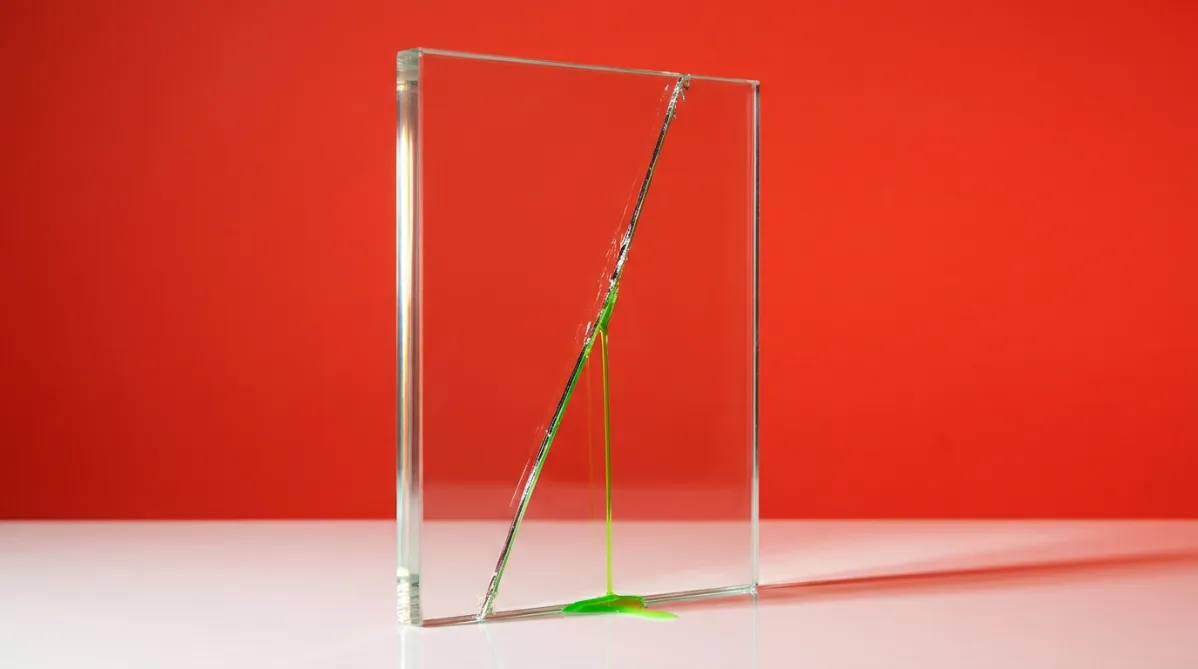
Conceptual metaphor: a sheet of thick, clear laboratory glass standing upright, with a single hairline fracture running diagonally across it. A thin ribbon of vivid electric-green liquid seeps through the crack and drips onto a glossy white surface below. The glass is photographed straight on, at a slight low angle, in crisp macro focus along the fracture edges, where tiny chips catch the light. The backdrop is a seamless, saturated tomato-red field that fills the frame. Soft, directional studio light from the left creates bright refraction lines along the glass edge and a clean, warm-red tinted shadow on the right. The mood is tense but revealing, a long-held assumption starting to give way. Empty space on the right balances the composition. No text, no people, and no blue cast.
longevity

¿Rapamicina "No Llega al Cerebro"? Por Qué Ese Mito Se Está Desmoronando

BY DR. SYNAPSE ·

«Rapamicina no llega al cerebro» es una de las afirmaciones más repetidas en los círculos de longevidad, y una nueva revisión sostiene que se basa en una medida equivocada. El fármaco rara vez se detecta en el líquido cefalorraquídeo, pero los autores explican por qué eso no implica que quede fuera del tejido cerebral. Muestras de glioblastoma humano, control de convulsiones en esclerosis tuberosa, tomografías PET en Alzheimer y flujo sanguíneo en portadores de APOE4 apuntan a una actividad real en el cerebro. El gran problema es que nadie ha medido directamente el fármaco en tejido cerebral sano de humanos a dosis terapéuticas. A continuación, lo que la evidencia respalda, lo que no, y a quién conviene ser más cauteloso.

This page is available in