Biocracked
Approach: macro science, palette: warm.

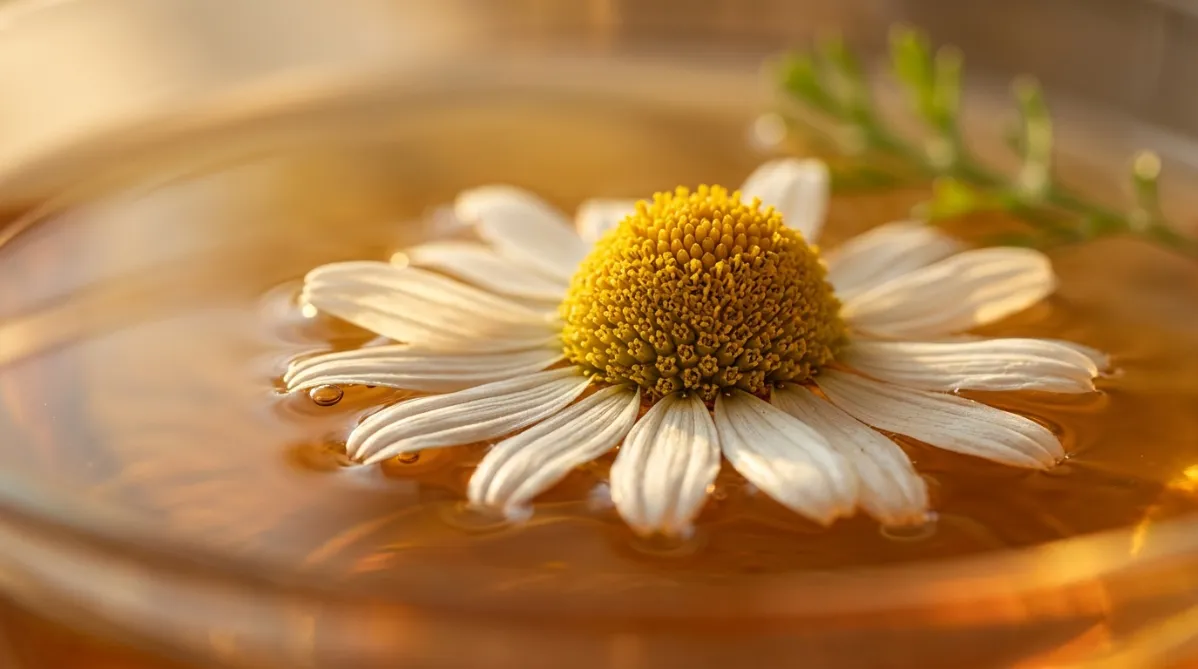
Extreme close-up macro of a single dried chamomile flower head floating on the surface of freshly steeped tea, shot from a low three-quarter angle just above the waterline. The white petals droop and curl, the golden domed center is packed with tiny pollen-dusted florets, and fine petal veins show in sharp detail. The tea beneath is a clear honey-amber, with soft ripples and a few tiny bubbles clinging to the petals. Low golden-hour sidelight from the left glows through the translucent petals and casts warm copper reflections across the liquid. Shallow depth of field melts the background into creamy amber bokeh, with one faint electric green sprig blurred at the far edge. Calm, quiet, slightly medicinal mood. Photorealistic, no text.
Supplements

每日400毫克洋甘菊提取物,四周后睡眠改善且效应持续

Rex Meridian · · 1 min read

睡前茶的胶囊版

洋甘菊茶是经典的助眠饮品,其关键成分之一——黄酮类化合物阿皮根(apigenin),已在生物黑客圈的“睡眠堆叠”中屡见不鲜。2017 年《Complementary Therapies in Medicine》发表的一项随机试验把这种思路浓缩成胶囊进行验证。研究让老年受试者 每天 400 毫克洋甘菊提取物,连续四周,并追踪其睡眠质量的变化。

论文的结论是洋甘菊提取物“可以显著改善老年人的睡眠质量”。不过,细节比标题暗示的更为温和,也更具实用价值。

研究设计:简洁而实用

伊朗卡尚医科大学的研究者在卡拉季的 Kahrizak 日间护理老年院开展了 单盲、随机、对照试验。

  • 受试者:60 名年龄在 60 岁及以上的成人。对照组平均年龄约 70 岁,实验组约 69 岁。
  • 干预措施:洋甘菊提取物胶囊,每日两次 200 毫克(共 400 毫克),连续 28 天。
  • 对照:同等体积的麦粉胶囊,以相同方式服用。
  • 测量工具:匹兹堡睡眠质量指数量表(PSQI),在四个时间点评估:基线、干预两周后、28 天结束时以及 停药两周后。

最后一个时间点尤为关键。很多补剂研究在停药后即停止测量,难以判断效益是否会持续。

结果:哪些方面有改变,哪些方面没有

基线时两组的睡眠质量均较差,且差异无统计学意义(P=0.639),唯一不同的是睡眠效率。干预后,洋甘菊组的睡眠质量显著好于对照组(P<0.05)。

论文数据要点如下:

  • PSQI 总分约下降 3 分,这一幅度通常被视为具有临床意义(PSQI 分数越低,睡眠越好)。
  • 入睡更快(睡眠潜伏期缩短)。
  • 夜间醒来的次数减少。
  • 总睡眠时长未见显著变化。
  • 停药两周后效益仍然存在。

效应的持续性最具现实价值。洋甘菊并未让老年人睡得更久,而是改善了入睡速度和夜间的连续性。受试者在研究结束时仍有中等程度的睡眠问题,说明它是一种改善手段,而非根治方案。

阿皮根的解释:合理但未在本研究中直接证实

一种常见的机制假设是 阿皮根——洋甘菊中的黄酮类——能够与 GABA‑A 受体上的苯二氮卓位点结合。该受体是大脑主要的抑制性信号系统,也是处方镇静剂的靶点,虽然洋甘菊的作用相对温和。

本次试验并未测量血浆中阿皮根的浓度,也没有进行脑电或功能成像,更未单独测试阿皮根本身。研究使用的是 整株洋甘菊提取物,其中包含多种化合物。上述机制是基于更广泛文献的合理猜想,而非本研究直接证明的结果。请将“阿皮根起作用”视为一种可能的解释,而非已证实的发现。

需注意的局限性

论文自身的设计限制了结论的外推程度:

  • 仅单盲:受试者不知道自己吃的是哪种胶囊,但研究者可能知道,仍存偏倚空间。
  • 样本量小:60 人足以捕捉信号,却不足以得出坚实结论。
  • 单一地点、单一人群:来自伊朗一家日间护理老年院的老人未必代表年轻人、其他文化或独居人群。
  • 自报告结果:PSQI 虽经验证,但仍属主观评价,研究未使用客观的睡眠监测设备或实验室指标。
  • 提取物描述不清:对提取物的标准化程度(如每胶囊中阿皮根或其他活性成分的含量)描述不足,导致市售产品难以复现。
  • 随访时间短:虽然有两周停药后的随访,但无法说明数月甚至更长时间的持续效果。

实际参考要点

  • 使用剂量:每日 200 毫克洋甘菊提取物,分两次服用,持续 28 天。这是目前唯一拥有临床证据支撑的方案。剂量更高或改为一次性夜间服用已超出本研究范围。
  • 与茶的比较:试验未对比洋甘菊茶,故没有直接数据。茶和标准化提取物在浓度与稳定性上不同,论文无法说明茶的效果是否相当。茶仍可能因仪式感而帮助放松,但不应假设其效力与本研究相同。
  • 适用人群:证据最直接适用于 60 岁以上、睡眠质量差的老年人。对年轻人只能提供有限的提示。它也不是治疗确诊失眠、睡眠呼吸暂停等医学性睡眠障碍的手段,持续的睡眠问题仍需就医。
  • 安全提示:
    • 对菊科植物过敏者慎用。洋甘菊属菊科,易引发对豚草、菊花等花粉过敏者的过敏反应。
    • 与镇静药物同用需谨慎。由于可能通过 GABA 途径产生轻度镇静,与苯二氮卓类安眠药、酒精或其他镇静补剂合用可能叠加嗜睡。服用前最好咨询医生或药师,尤其是老年人常服多种药物时。
    • 堆叠使用注意。将洋甘菊加入多成分的睡眠堆叠会让效应难以归因,而本试验仅检验了单独的洋甘菊提取物。

结论

这项规模虽小但设计严谨的试验提示:每日 400 毫克洋甘菊提取物、连续四周,可能提升老年人自评的睡眠质量,表现为入睡更快、夜间醒来次数减少,并且效应可在停药两周后仍然存在。它并未延长总体睡眠时长,受试者仍有中等程度的睡眠问题。阿皮根的机制合理但尚未在本研究中直接验证;单盲、小样本、单中心的局限也要求后续更大、更严谨的研究予以确认。就目前而言,洋甘菊提取物是一种低风险、值得尝试的助眠选择,但并非神奇的安眠药。
Original study

Read the original research on pubmed.ncbi.nlm.nih.gov →

This article summarizes published research for general information. It is not medical advice.

RM

Written by

Rex Meridian

Rex Meridian writes for Biocracked: biohacking science, longevity & human performance.

Related Articles

Conceptual metaphor in a bold color field palette: a single brass balance scale sits dead center on a saturated mustard-yellow seamless backdrop, photographed at eye level with a 85mm lens and shallow depth of field. One pan holds a small mound of coarse white magnesium salt crystals, the other pan holds a rumpled, empty pillow-soft wad of grey linen, and the beam hangs almost level but wavering, suggesting uncertainty. A thin electric green thread loops from the beam's pivot as a subtle accent. Soft, large-source studio light from camera left casts a gentle, defined shadow to the right across the yellow surface. Crisp metal reflections, visible salt crystal facets. Mood: skeptical, calm, quietly questioning, clean and editorial.
supplements

镁补充剂真的能助眠吗?12项试验显示宣传远超证据

BY NOVA CHEN ·

镁常被宣传为天然的助眠利器,但系统综述对12项成人随机对照试验的分析表明,证据不足以将其视为常规失眠治疗。不同问卷、脑电、活动记录仪及可穿戴设备的结果差异很大,证据可信度仅为低到极低。作者采用叙述性综述而非荟萃分析,因为试验在剂型、剂量和受试者上差异悬殊。部分摄入不足的成年人可能会感到主观上稍有改善,但整体来看,尚缺乏可靠数据支持镁系统性改善睡眠。

Approach: Macro science, with the human outcome as a quiet secondary cue. Palette: C (Natural).

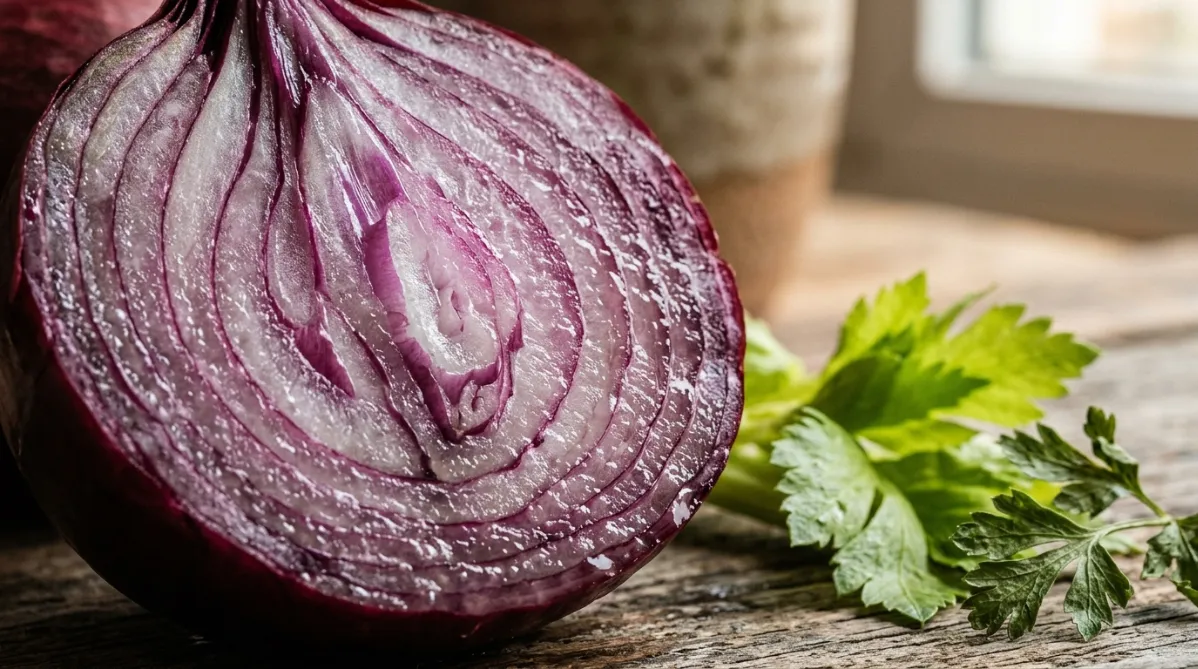
Extreme macro photograph of a halved red onion and fresh celery leaves, the real dietary sources of isorhamnetin and luteolin. The onion's glossy magenta-violet layers and translucent cell walls fill the left two-thirds of the frame, with fine droplets of juice catching the light. A few crisp green celery leaves and a sprig of dried parsley rest in soft focus to the right. Shot at a slight low angle, shallow depth of field, 100mm macro look. Soft morning daylight from a window behind and to the side gives a warm rim light and gentle translucency through the onion layers. The palette is earthy: plum, sage green, and warm wood tones, with one small electric green highlight on a celery leaf edge. The mood is calm, fresh, and quietly curious, with a hint of rest.
supplements

被忽视的助眠类黄酮:并非槲皮素

BY NOVA CHEN ·

大家常提到槲皮素,但美国一项大规模调查发现,两种不太为人熟知的类黄酮——异鼠李素和黄酮醇——与更好的睡眠有关。摄入量位于最高三分位的异鼠李素人群睡眠障碍风险约降低25%,且报告的睡眠时长更长;黄酮醇的关联略弱,约降低15%。需要注意的是,这是一项基于饮食回忆的横断面研究,无法证明因果关系。下面我们一起看看数据到底说明了什么、没有说明什么,以及如何得出理性的结论。

Approach: conceptual metaphor. Palette: warm.

A single ceramic mug on a wooden bedside table, filled with a pale, cloudy collagen drink, with a thin ribbon of steam rising from the surface. Camera angle is a low three-quarter view at table height, shallow depth of field. Behind the mug, a rumpled bed with crisp cotton sheets dissolves into soft bokeh. A small brass alarm clock stands beside it, its hands blurred and its face unreadable. Light comes from a warm amber bedside lamp, casting honey-gold highlights on the rim and long copper-toned shadows across the grain of the wood. Powder grains lie scattered on the table next to the mug, one tiny speck of electric green on the lamp's cord switch. The mood is quiet, drowsy and unhurried, the last calm minutes before sleep.
supplements

你的胶原蛋白是助眠剂吗?甘氨酸试验或许给出答案

BY NOVA CHEN ·

你购买胶原蛋白多是为了美容护肤或保护关节,然而最新的范围综述抛出了一个有趣的疑问:胶原蛋白中含量最高的氨基酸——甘氨酸,是否也在悄悄促进你的睡眠?三项针对甘氨酸的睡眠试验全部报告了至少一种睡眠指标的改善,而胶原肽的研究结果则较为零散。迄今为止,仍缺乏直接证据证明胶原蛋白的助眠作用是由其中的甘氨酸驱动的。下面我们梳理剂量、服用时机以及现有证据的局限,帮助你理性判断是否将胶原蛋白列入睡前方案。

Approach 4, conceptual metaphor, in palette C, natural.

A single ceramic cup of freshly brewed green tea sits on a weathered wooden windowsill, photographed from a low three-quarter angle at eye level. Steam curls upward and catches soft, directional morning daylight from a window on the left. The tea is clear amber-green, with a few loose unfurled tea leaves resting on the saucer. Behind the cup, a softly out-of-focus garden of leafy green plants and a bright, hazy sky gives shallow depth of field. The wood has realistic grain and small chips, and the ceramic has a matte, slightly speckled glaze. A single tea leaf in the foreground has a faint electric green tint where light passes through it. The mood is calm, quiet and unhurried, with warm skin-tone wood against cool plant greens. No text, no labels.
supplements

L-茶氨酸让你平静而不犯困:哪些剂量真正有效

BY NOVA CHEN ·

L-茶氨酸被宣传为能够让人平静而不致犯困。最新的《Frontiers in Nutrition》小型综述通过人类临床试验数据检验了这一说法,给出了 100‑400 mg 促进轻微认知提升(尤其配合咖啡因),200‑400 mg/天在不嗜睡的情况下减轻压力,以及 200‑450 mg/天改善睡眠质量的剂量区间。研究显示这些效应均很小,且未报告总体样本量。两位作者均为英国美国烟草子公司旗下的企业工作,该公司销售含 L‑茶氨酸的产品。文中列出了适合人群、可能受益者和应避免使用的情况。

This page is available in