What happens to a leg muscle when blood flow is shut off and then comes roaring back? Surprisingly, it can take more damage from the return than from the blockage. A new rat study suggests the research peptide BPC-157 may blunt that damage. The catch is the fine print: this is animal data only, and BPC-157 is not an approved drug.
The Short Version
A Turkish research team reported in Scientific Reports (2026) that a single dose of BPC-157 reduced several markers of muscle injury in rats after temporary loss of blood flow to the hind limbs. Treated animals showed lower oxidative stress, less cell-death signaling and less inflammation than untreated ones. They also showed partial recovery of VEGF, a key blood-vessel growth signal.
The study was small, short and done only in rats. It is an interesting lab result, not a treatment recommendation.
Why Reperfusion Injury Matters
Ischemia-reperfusion (I/R) injury is a known complication in peripheral arterial disease and in vascular surgery. When tissue is starved of blood and then reperfused, the sudden return of oxygen can trigger a burst of reactive oxygen species. That sets off inflammation and programmed cell death (apoptosis), so the rescue itself does extra harm.
BPC-157, a stable pentadecapeptide (15 amino acids) originally described from gastric juice, has shown cytoprotective effects in various tissues in preclinical work. This study asked whether it could shield skeletal muscle in a limb I/R model.
How the Experiment Worked
- Animals: 24 male Wistar albino rats, split into four groups of 6.
- Groups: SHAM (surgery without clamping), B (BPC-157 only), IR (ischemia-reperfusion), and IRB (ischemia-reperfusion plus BPC-157).
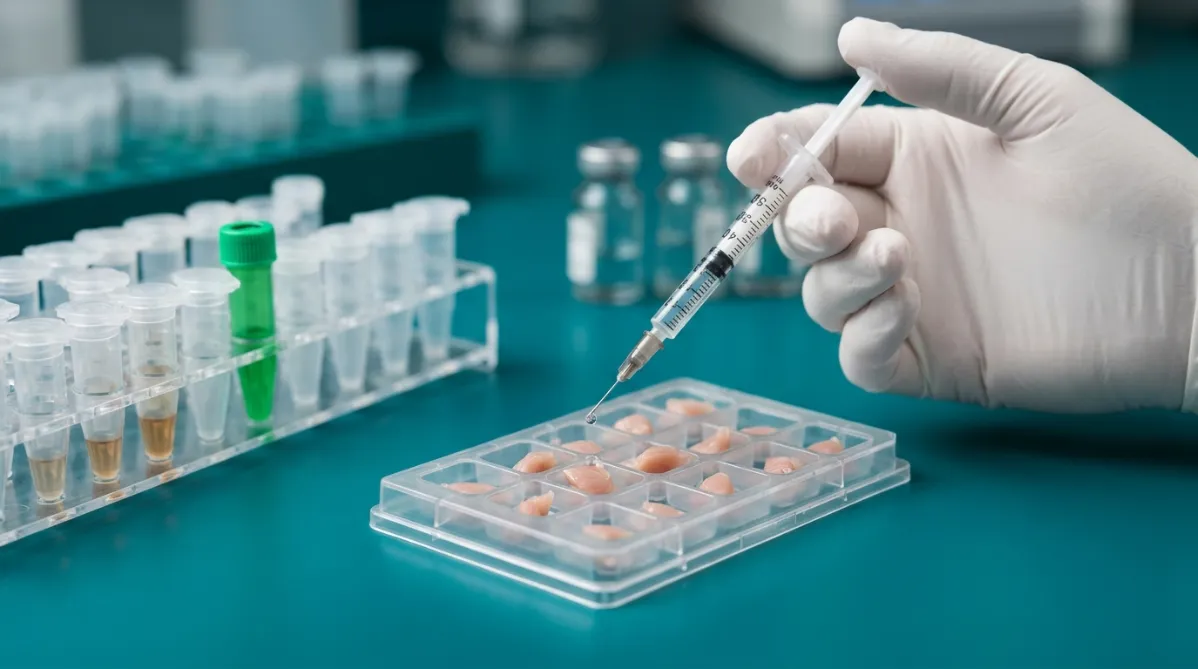
- Injury model: The abdominal aorta was clamped for 45 minutes, followed by 2 hours of reperfusion.
- Dose: BPC-157 at 20 µg/kg, injected intraperitoneally at the 45th minute of ischemia. That is the end of the 45-minute clamp period, around the point reperfusion began.
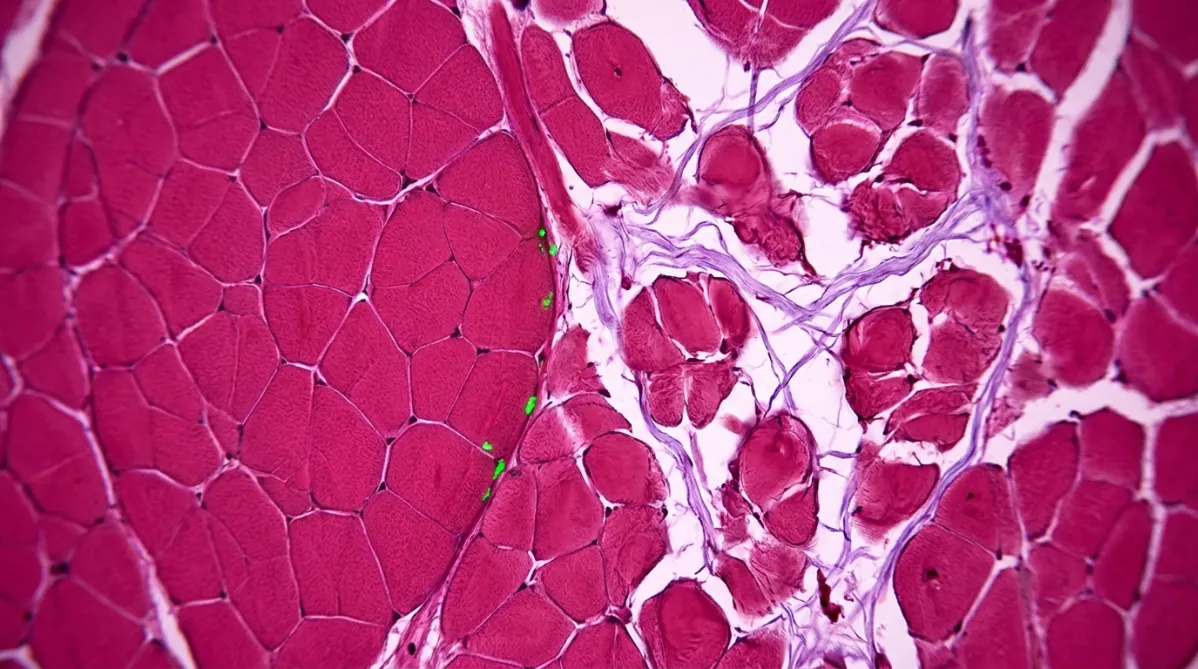
- Measurements: Serum markers (MDA, SOD, TAS, TOS), gene expression by qRT-PCR (Il-6, Hif-1α, p53, Bcl-2, Bax, Casp3), immunohistochemistry (VEGF, eNOS, IL-6, caspase-3), and scored tissue staining.
What the Researchers Found
The injury was real
In untreated I/R rats, several markers rose. These included MDA (a lipid-damage marker), total oxidant status, p53, Bax, caspase-3, Hif-1α, Il-6 and the histopathology injury scores. Protective measures fell: SOD, total antioxidant status and VEGF expression.
BPC-157 shifted the picture
In rats given BPC-157 after ischemia, the authors report:
- Less oxidative stress: lower MDA and TOS, with SOD and TAS restored.
- Less apoptosis signaling: p53, Bax and Casp3 were downregulated, and caspase-3 immunoreactivity dropped. Bcl-2, an anti-apoptotic gene, was higher than in untreated I/R rats. I/R alone had not significantly lowered Bcl-2 versus SHAM.
- Less inflammation: reduced IL-6 immunoreactivity.
- Better blood-vessel signaling: VEGF expression was partially restored.
- Better tissue structure: improved muscle architecture and less collagen deposition on histology.
The authors concluded that BPC-157 appears to protect skeletal muscle by dampening oxidative stress, modulating apoptosis, reducing inflammation and supporting angiogenic activity.
The Catch: What This Study Cannot Tell You
The limits matter as much as the headline.
- It's rats. Rodent results often fail to carry over to humans.
- It's tiny. Six animals per group gives limited statistical confidence.
- One dose, one timepoint. There was no dose-response testing, so we don't know whether 20 µg/kg is optimal, or whether other doses work at all.
- Very short follow-up. Reperfusion lasted only 2 hours. Whether the benefits last, or translate into better limb function, isn't shown in the abstract.
- Molecular and tissue markers, not outcomes. Lower MDA and better staining are encouraging, but they are not the same as saving a limb or improving walking.
- Partial effects. VEGF was only partially restored.
The authors themselves note that larger cohorts and dose-response studies are needed to confirm the effects and establish clinical relevance. They declared no competing interests, and the work had animal ethics approval.
Practical Takeaways
Dose: The only dose tested was 20 µg/kg intraperitoneally in rats. That figure should not be converted into a human dose. Injecting into the abdominal cavity is a lab technique, not a consumer protocol, and no human dosing has been established by this work.
Timing: In this study, the peptide was given at the end of the ischemic period, around when blood flow was restored. That makes it a rescue-timing experiment in a surgical model, not a preventive routine or a recovery hack.
Who it's potentially relevant for: Researchers and clinicians studying reperfusion injury, vascular surgery complications and peripheral arterial disease. The paper helps justify further, better-powered preclinical work.
Who should skip it: Anyone hoping to self-treat muscle soreness, circulation problems or sports injuries based on this paper. People with peripheral arterial disease, or any suspected blood-flow emergency such as a sudden cold, pale, painful limb, need medical care, not an unapproved peptide. People with cancer history, pregnant or breastfeeding individuals, and anyone on prescription medication should also avoid unregulated peptides. Safety and quality data in humans are lacking, and products sold online are not verified.
Bottom Line
This rat study adds one more preclinical signal that BPC-157 may reduce oxidative, inflammatory and apoptotic damage in stressed muscle. But a single-dose experiment in 24 rats cannot show that the peptide helps people. BPC-157 is not an approved drug, and the right next step is more rigorous research, not DIY experimentation.