Biocracked
←

#sirolimus

1 article
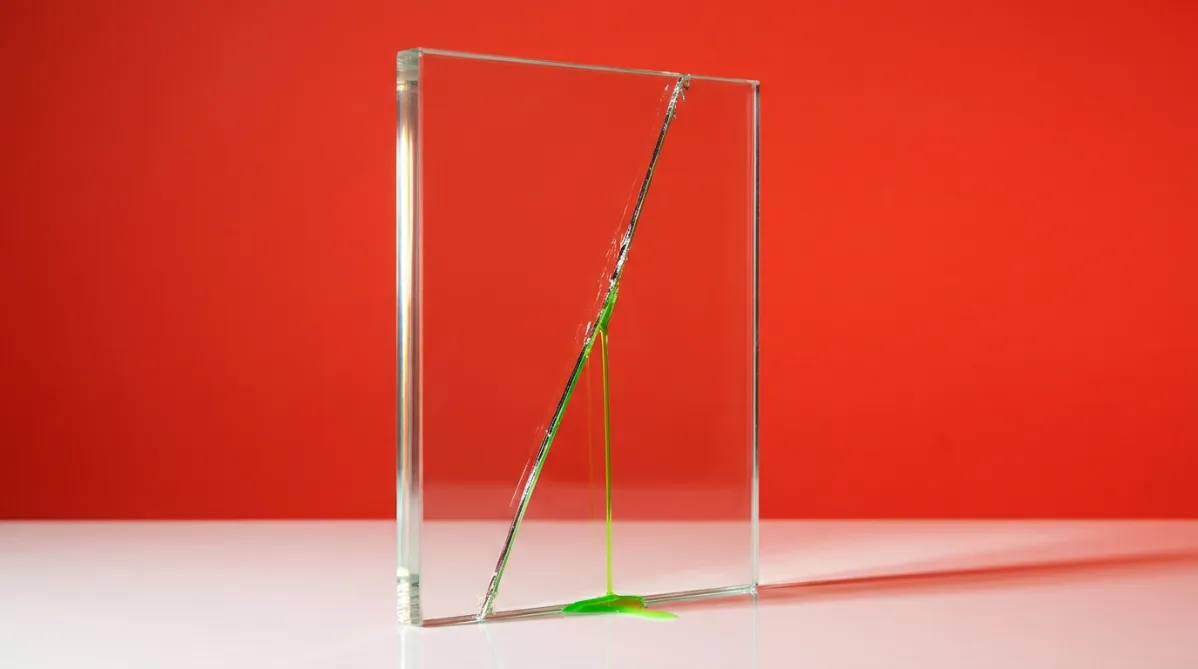
Conceptual metaphor: a sheet of thick, clear laboratory glass standing upright, with a single hairline fracture running diagonally across it. A thin ribbon of vivid electric-green liquid seeps through the crack and drips onto a glossy white surface below. The glass is photographed straight on, at a slight low angle, in crisp macro focus along the fracture edges, where tiny chips catch the light. The backdrop is a seamless, saturated tomato-red field that fills the frame. Soft, directional studio light from the left creates bright refraction lines along the glass edge and a clean, warm-red tinted shadow on the right. The mood is tense but revealing, a long-held assumption starting to give way. Empty space on the right balances the composition. No text, no people, and no blue cast.
longevity

Rapamycin 'Can't Reach the Brain'? Why That Myth Is Falling Apart

BY DR. SYNAPSE ·

"Rapamycin can't reach the brain" is one of the most repeated claims in longevity circles, and a new review says it rests on the wrong measurement. The drug is rarely detectable in cerebrospinal fluid, but the authors explain why that doesn't mean it stays out of brain tissue. Human glioblastoma samples, seizure control in tuberous sclerosis, PET scans in Alzheimer's, and blood flow in APOE4 carriers all point to real activity in the brain. The big catch is that nobody has directly measured the drug in healthy human brain tissue at therapeutic doses. Here's what the evidence supports, what it doesn't, and who should think twice.

This page is available in