Biocracked
←

#injection-lipolysis

5 articles
Approach 1, macro science, with Palette D, bold color field.

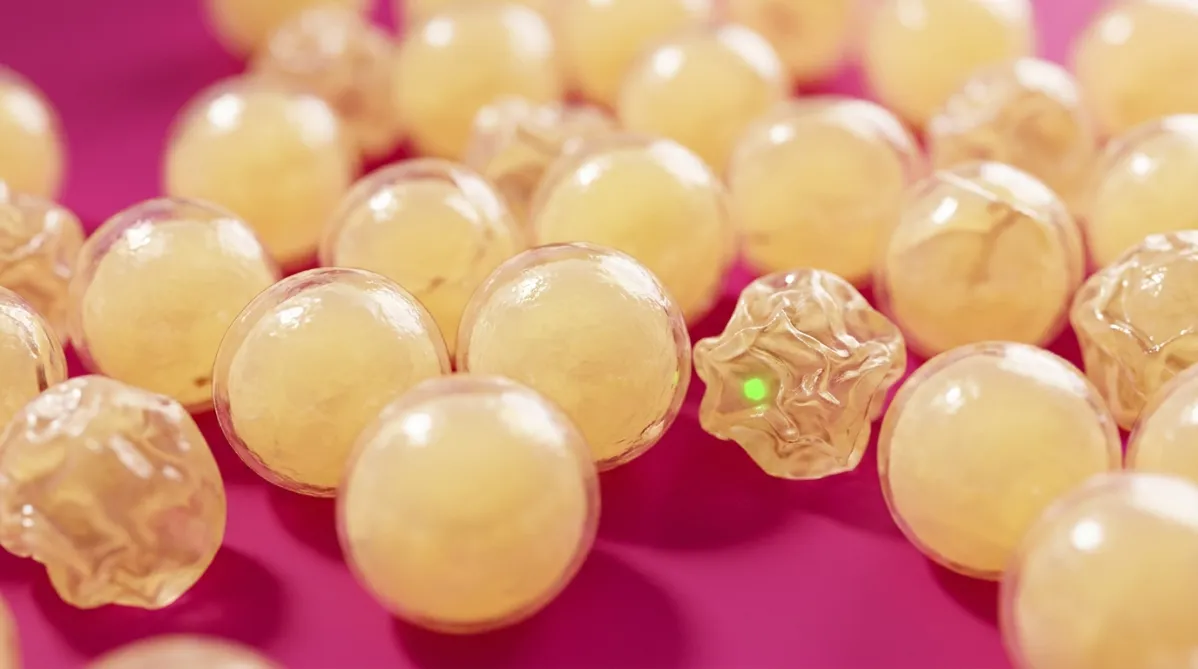
Extreme close-up microscopy-style photograph of a cluster of adipocytes (fat cells). Each is a translucent, pale yellow sphere with a thin membrane, and a few are shrunken and crinkled to suggest apoptosis. The cells sit against a saturated magenta backdrop. The camera is slightly above, at a shallow 30-degree angle, with a very shallow depth of field so the foreground cells are razor sharp and the rest melts into soft bokeh. Hard, clean side light from the left makes the membranes glisten and casts crisp magenta-tinted shadows. One tiny electric green fluorescent speck glows inside a single collapsing cell as a subtle accent. The mood is precise, clinical and curious, with a bold editorial feel. There is no text and no blue cast.
research

Wstrzyknięcia CBL‑514 (lipoliza): mapa dowodów z fazy 2

BY DR. SYNAPSE ·

CBL‑514 to badany związek podawany w formie wstrzyknięcia, którego celem jest indukcja apoptozy komórek tłuszczowych w obrębie brzucha. W dwufazowym badaniu fazy 2 z 2025 r., w którym wzięło udział 76 losowo przydzielonych uczestników, uzyskano znaczące, ultrasonograficznie mierzone zmniejszenie objętości tłuszczu w porównaniu z solą fizjologiczną, przy jednoczesnym braku istotnych zmian w masie ciała. Ten hub przedstawia projekt badania, dawkowanie 2 mg/cm², szczegółowe wyniki skuteczności oraz mechanizm DYRK1b/kaspaza opisany przez firmę. Zawiera także ostrzeżenia: jedynie jednorazowo zaślepiony projekt, duży udział sponsora, wysoki wskaźnik nieukończeń, krótki okres obserwacji i przewagę kobiet w próbie. Poniżej pięć bardziej szczegółowych wyjaśnień, które pomogą pogłębić temat.
Approach 2, lab in action, with palette D, bold color field.

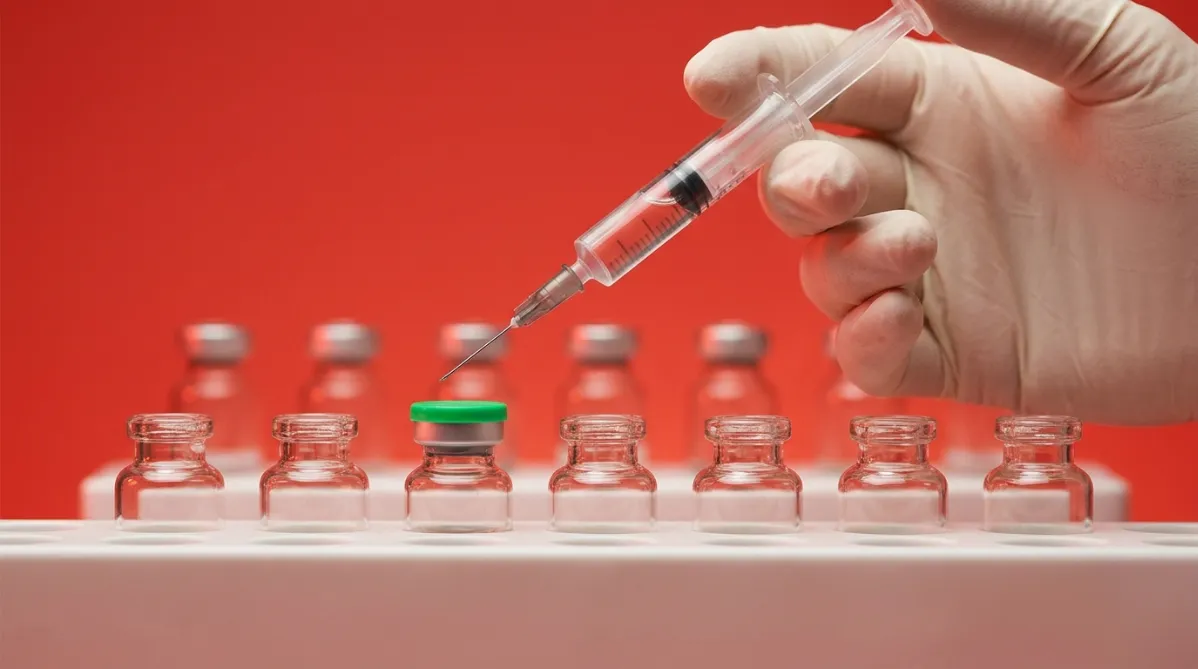
Straight-on, slightly elevated close shot of a gloved hand in a pale nitrile glove holding a glass syringe with a fine needle. The syringe is filled with clear liquid and sits over a row of small glass vials in a matte white rack. The whole scene sits against a saturated tomato-red seamless backdrop. Soft, even studio light gives crisp highlights along the syringe barrel and the vial glass, plus gentle warm-red reflections on the surfaces. A thin electric green (#00e676) cap on one vial is the only small accent. The dosing markings on the syringe are blurred and unreadable. Shallow depth of field blurs the back vials into soft shapes. The mood is precise, clinical and investigational, with high contrast and a measured, careful feel. No text, no labels, no logos.
research

Dawki CBL‑514 — co mówi nauka?

BY DR. SYNAPSE ·

Badania nad CBL‑514 to protokoły kliniczne w formie iniekcji, a wartość „600 mg” to górny limit jednej sesji, a nie dawka suplementu. Artykuł omawia badanie ustalania dawki w fazie 2a (1,2 – 2,0 mg/cm² na 150 cm², n = 43, otwarte) oraz wyjaśnia pochodzenie często cytowanej liczby 24,96 %. Następnie opisuje randomizowane, kontrolowane placebo badanie fazy 2, w którym utrzymano 2,0 mg/cm², podwojono powierzchnię do 300 cm² i podniesiono limit do 600 mg. Dowiesz się, dlaczego całkowite miligramy nie są wymienne między badaniami, jakie zgłoszono skutki uboczne i dlaczego CBL‑514 nie jest zatwierdzonym produktem ani poradą medyczną.
Approach: the human outcome. Palette: bold color field.

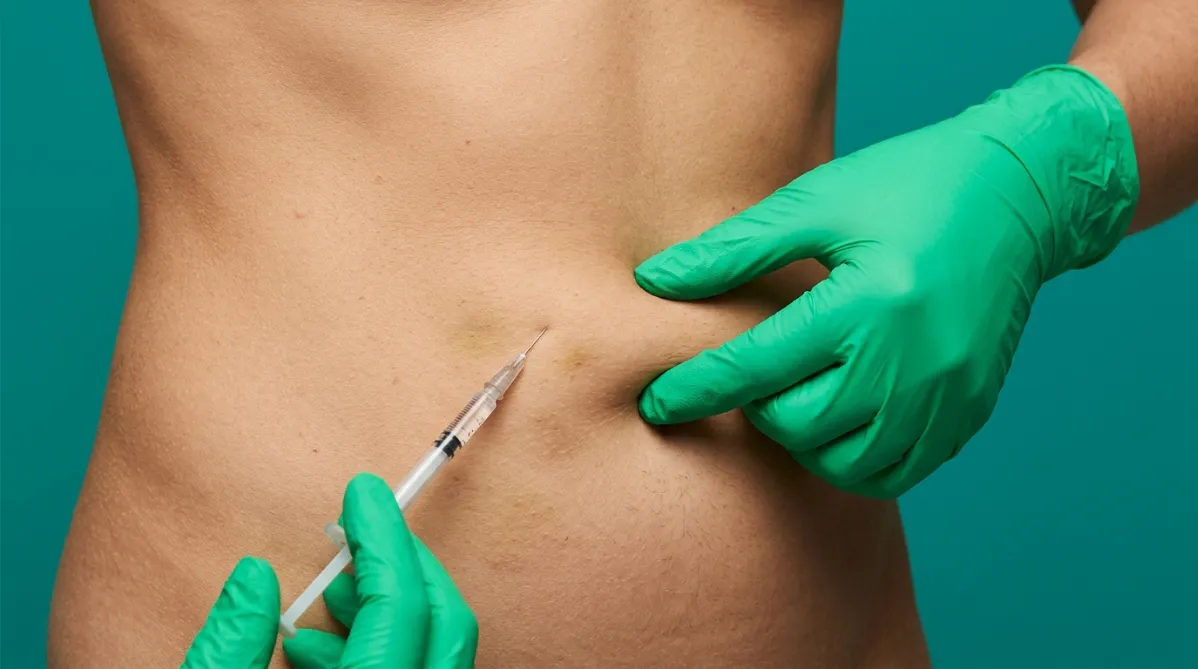
A close, slightly high three-quarter view of a bare abdomen, cropped at the ribs and hips with no face. A hand in an electric green (#00e676) nitrile glove pinches a fold of belly skin and holds a slim syringe with the needle just about to enter. Faint yellow-purple bruising near the injection site hints at the side effects. The torso fills the frame against a flat, saturated teal backdrop that contrasts with the warm skin tones. Soft, even studio light from the left gives gentle shadows and visible skin texture, with fine pores and small hairs. The syringe tip is in sharp focus and the background falls away. No text or markings anywhere. The mood is clinical, unsentimental and skeptical.
research

Czy CBL‑514 naprawdę spala tłuszcz? Co wiemy

BY HELIX WARD ·

Badanie fazy II z 2025 r. nie oceniało utraty wagi, lecz sprawdzało, czy wstrzyknięcie w okolicę brzucha może usunąć co najmniej 150 ml podskórnego tłuszczu, mierzonego ultrasonograficznie. 69,6 % (16/23) uczestników otrzymujących CBL‑514 osiągnęło ten próg po 8 tygodniach, wobec 0 % (0/16) w grupie placebo. Średnia waga ciała nie uległa zmianie (±0,02 kg), a prawie połowa osób w grupie CBL‑514 nie ukończyła badania. Reakcje w miejscu wstrzyknięcia były powszechne – zmiana koloru u 71,4 % i silny ból u 18,4 %. Oto szczegółowy przegląd danych i ich ograniczeń.
**Approach 1 (macro science), Palette D (bold color field).**

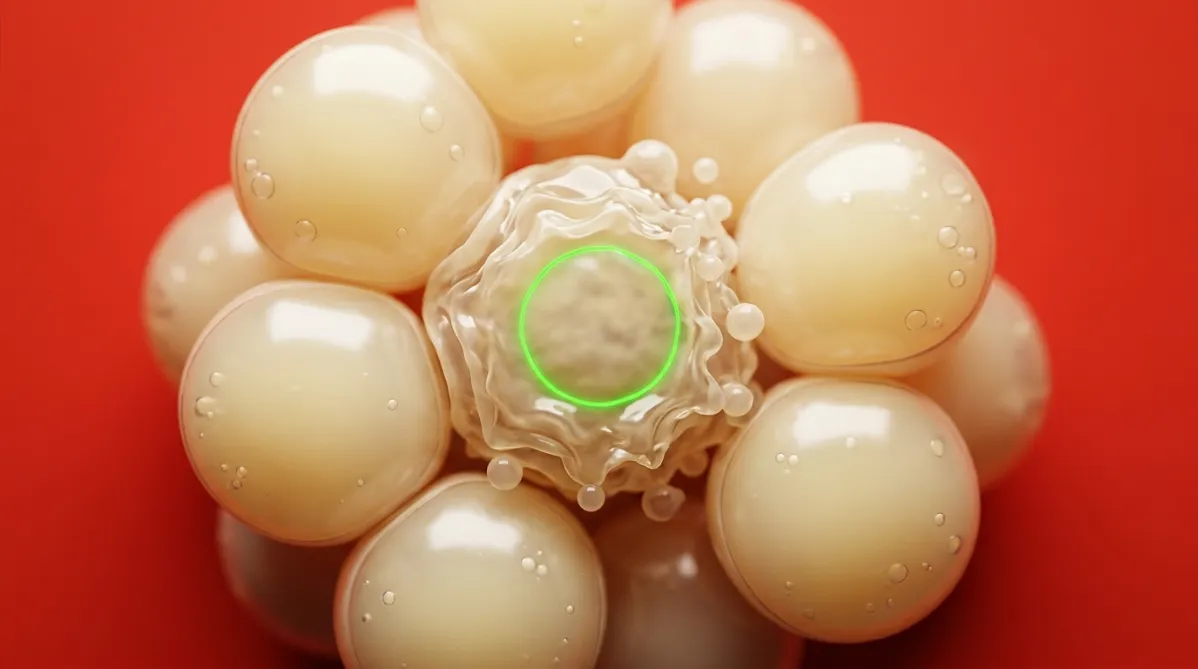
Extreme close-up microscopy-style photograph of a cluster of fat cells (adipocytes), rendered as translucent, pearly spheres with thin membranes and tiny lipid droplets inside. One cell in the center is visibly shrinking and blebbing, its membrane crinkled and fragmenting into small beads, the look of apoptosis. A few of the surrounding cells are intact and glossy. The cells sit against a saturated tomato-red backdrop, so the pale yellow-cream spheres stand out sharply. The camera looks straight down at shallow depth of field, with the focal plane on the dying cell and the edges softly blurred. Soft, diffuse top light gives gentle highlights and warm shadows, with no blue cast. One thin electric green fluorescent ring around the central cell's nucleus is the only green accent. The mood is analytical, precise and quietly skeptical.
research

Jak działa CBL‑514? Oto naukowe wyjaśnienie

BY DR. SYNAPSE ·

CBL‑514 nie jest lekiem „rozpuszczającym” ani „spalającym” tłuszcz. Producent twierdzi, że hamuje kinazę przetrwania DYRK1b i indukuje apoptozę adipocytów poprzez kaspazę‑3 oraz stosunek Bax/Bcl‑2. Dostępne dowody pochodzą z niepublikowanych raportów firmy, przytoczonych w badaniach fazy 2a i 2; struktura chemiczna nie została ujawniona. Badanie fazy 2 z 2025 r. oceniało objętość tłuszczu metodą ultradźwiękową, zdjęciami oraz bezpieczeństwo, nie obejmując biopsji ani pomiarów kaspazy. Artykuł rozdziela hipotezę molekularną od rzeczywistych wyników klinicznych, podkreślając wysoki odsetek odrzuceń i jedynie pojedynczo‑ślepą metodologię.
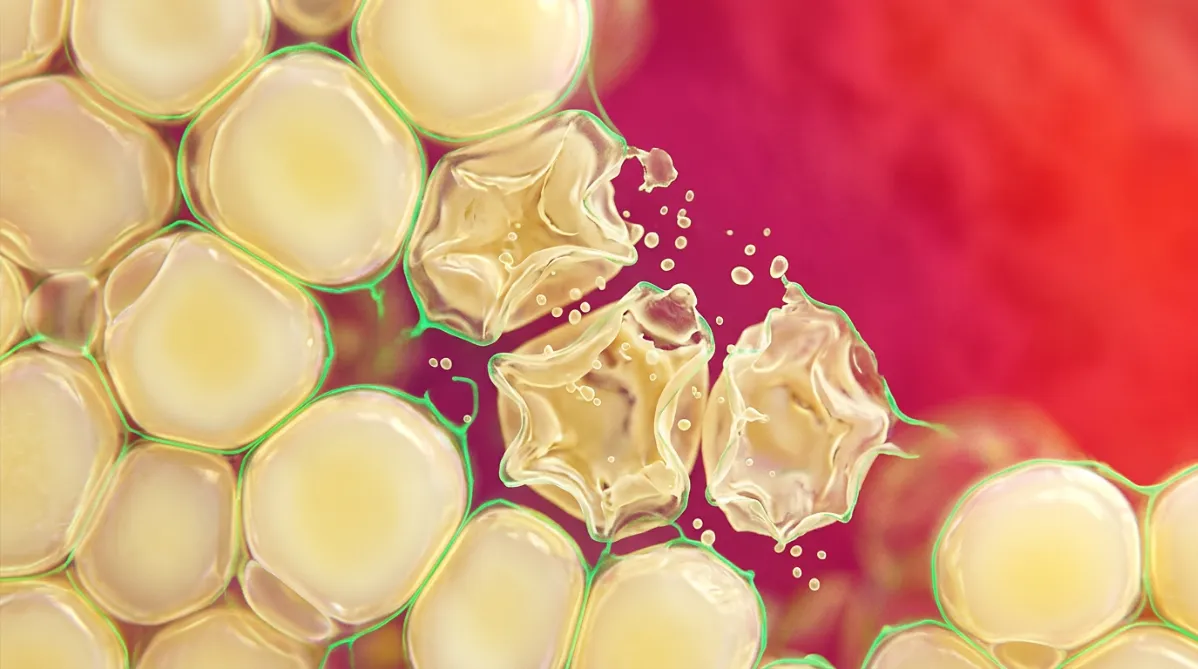
Approach 1, macro science, in palette D, bold color field.

Extreme close-up photograph of a cluster of fat cells (adipocytes) in tissue, shot like a stained microscopy image. Rounded, translucent, pearly-yellow lipid-filled cells press together in a honeycomb. Several in the center look collapsed and shriveled, with ruptured membranes and scattered droplets. A few fine threads of electric green (#00e676) fluorescent stain outline the cell walls. The camera is straight-on at shallow depth of field, with the background cells melting into soft blur. Bright, even transmitted light makes the membranes glow. The backdrop is a saturated magenta-to-tomato-red field that sets off the pale yellow cells. The mood is scrutinizing, skeptical and precise. No text, no labels.
research

Iniekcje usuwające tłuszcz CBL‑514: Co mówi nauka?

BY DR. SYNAPSE ·

CBL‑514 ma już badanie fazy II z randomizacją i kontrolą placebo opublikowane w *Aesthetic Surgery Journal*. Autorzy twierdzą, że spełniono zarówno kryteria główne, jak i poboczne, ale badanie było jednowarunkowo ślepe, a badacze i sponsor nie byli ślepi. Sponsor współtworzył projekt, analizę i tekst. Z 75 leczonych jedynie 38 ukończyło badanie, a populacja per‑protocol liczyła zaledwie 30 osób. Kontrola zakończyła się 8 tygodni po ostatniej aplikacji, a próba była w przeważającej części kobiet i osób białych. Poniżej, co badanie może potwierdzić, a czego nie, oraz dlaczego nie jest to porada medyczna ani dowód na zatwierdzony lek.

This page is available in