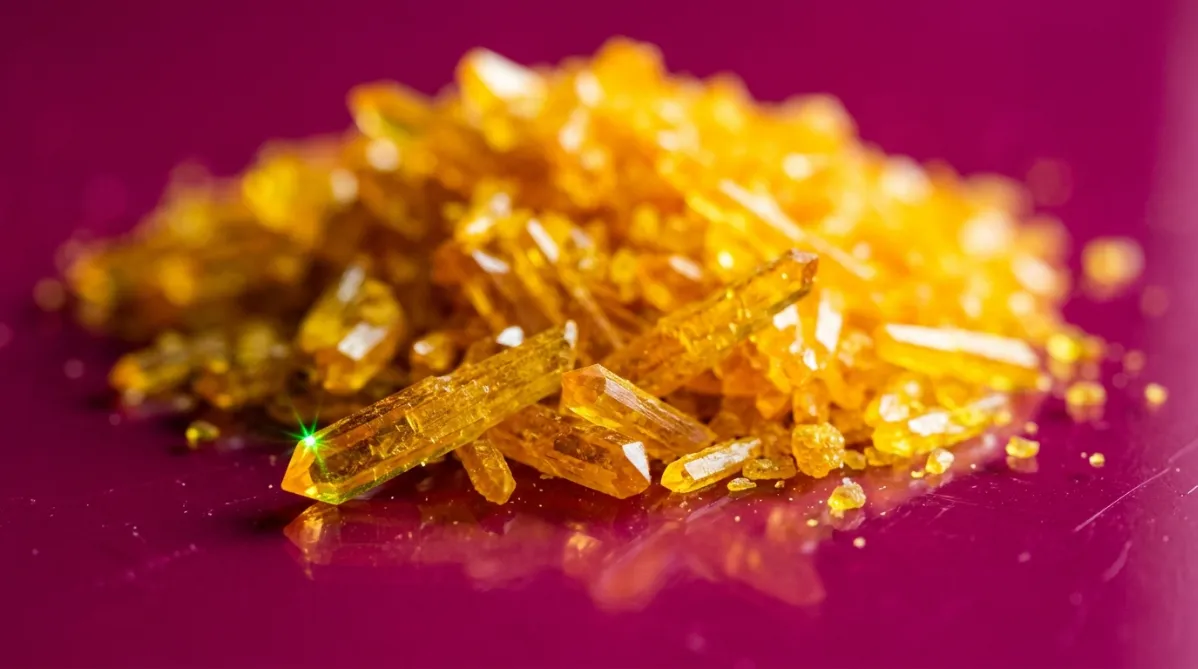
Taurine has been hyped as an anti-aging molecule since a high-profile 2023 mouse study in Science. But a new meta-analysis in Nutrition Reviews asks a more practical question: what does taurine do for ordinary cardiometabolic markers in people taking it in randomized trials? Across 34 trials, it nudged blood sugar, blood pressure, cholesterol and inflammation in the right direction. The most useful detail may be the dose range where the benefits clustered: 1.5 to 3 grams a day.
What the researchers did
A team from Hangzhou Normal University searched PubMed/MEDLINE, Web of Science, EMBASE, the Cochrane Library and Google Scholar for randomized controlled trials of oral taurine and cardiometabolic risk factors. They followed Cochrane and PRISMA methods and pooled results with random-effects or common-effect models. The review was registered in advance on PROSPERO (CRD42024577852). It was published in Nutrition Reviews (2026;84(10):2028–2051).
Thirty-four RCTs met the criteria. The abstract does not give a total participant count, so check the full paper before quoting one.
The headline numbers
Compared with control groups, taurine supplementation was associated with these average changes:
- Fasting glucose: −5.90 mg/dL (95% CI −9.65 to −2.15)
- HbA1c: −0.21 percentage points (−0.37 to −0.05)
- Fasting insulin: SMD −0.55
- HOMA-IR (insulin resistance): −0.57 (−0.74 to −0.40)
- Triglycerides: −14.42 mg/dL (−23.60 to −5.25)
- Total cholesterol: −12.41 mg/dL (−19.10 to −5.71)
- LDL cholesterol: −5.08 mg/dL (−8.35 to −1.81)
- Systolic BP: −4.38 mmHg (−7.26 to −1.50)
- Diastolic BP: −2.54 mmHg (−3.97 to −1.11)
Liver enzymes also fell, with AST down 9.65 U/L and ALT down 8.26 U/L. So did inflammation and oxidative stress markers: CRP (SMD −1.26), TNF-α (−0.35 pg/mL) and malondialdehyde (SMD −1.16).
The results are consistent across glucose, lipids, blood pressure, liver enzymes and inflammation. That breadth is what makes the finding interesting.
The 1.5–3 g sweet spot
Subgroup and dose-response analyses suggested that daily doses of 1.5–3.0 g were more effective at improving these risk factors. That does not prove higher doses are useless or unsafe. It means that in the pooled data, this range is where the benefits looked strongest.
The timing twist: it depends on the target
The duration findings are the least intuitive part:
- 8 weeks or longer gave bigger improvements in glucose and lipid metabolism.
- Under 8 weeks looked better for blood pressure and inflammation.
This does not mean blood pressure benefits vanish after two months. The abstract only says shorter interventions showed larger effects on those outcomes. It may reflect how the trials were designed, or it may be a real pattern. Subgroup splits like this are hypothesis-generating, not settled.
How big are these effects, really?
The effects are real but modest. A 4-mmHg drop in systolic pressure is meaningful at population level, but it is smaller than what most blood pressure drugs deliver. An HbA1c drop of 0.21 points is a small nudge, not a replacement for diabetes treatment. A 5 mg/dL LDL reduction is minor next to statins.
The authors conclude that taurine "may effectively improve cardiometabolic risk factors in adults." The "may" matters.
Limitations to keep in mind
- Heterogeneity: The trials differed in design, dose, duration and population, and many enrolled people who already had a disease. Results may not transfer to healthy adults.
- Surrogate markers: The review measured risk factors, not heart attacks, strokes or deaths. It cannot show that taurine prevents cardiometabolic disease, although the authors suggest it may reduce risk.
- Subgroup caution: The dose and duration "sweet spots" come from subgroup and dose-response analyses, which are less reliable than the main pooled effects.
- Abstract-level detail: This article is based on the abstract and summary data. Trial quality, publication bias and safety reporting should be checked in the full text.
Where the aging hype fits in
Taurine's popularity grew after the 2023 Science work in mice linked taurine to healthy aging. This meta-analysis is a different kind of evidence. It tested human cardiometabolic markers and says nothing about lifespan or aging. Treat the two as separate stories.
Practical takeaways
Dose: The pooled data favored 1.5–3 g per day. Splitting it across meals is a common practice but is not something this paper tested.
Timing and duration: Plan on at least 8 weeks if your goal is glucose or lipid improvement. Retest labs after that period so you can see whether it is working for you.
Who might consider it: Adults with elevated blood sugar, triglycerides, cholesterol or blood pressure who want a low-cost add-on to diet, exercise and standard care. Many trial participants had existing conditions, which is where the evidence is strongest.
Who should skip it or ask a clinician first:
- People on glucose-lowering or blood pressure medications. Additive effects are plausible, though this paper does not address interactions.
- Anyone with kidney or liver disease.
- Pregnant or breastfeeding women.
- People hoping to replace prescribed treatment. The effects are too modest for that.
The safety advice above is general caution, not a finding from this review.
Bottom line
Taurine is not a miracle molecule, but across 34 randomized trials it consistently moved several cardiometabolic markers the right way, most clearly at 1.5–3 g daily. The effects are small, the trials varied, and hard outcomes are untested. Taurine looks like a reasonable adjunct to lifestyle changes, not a substitute for them.