Biocracked
Approach 1, macro science, in palette D, bold color field.

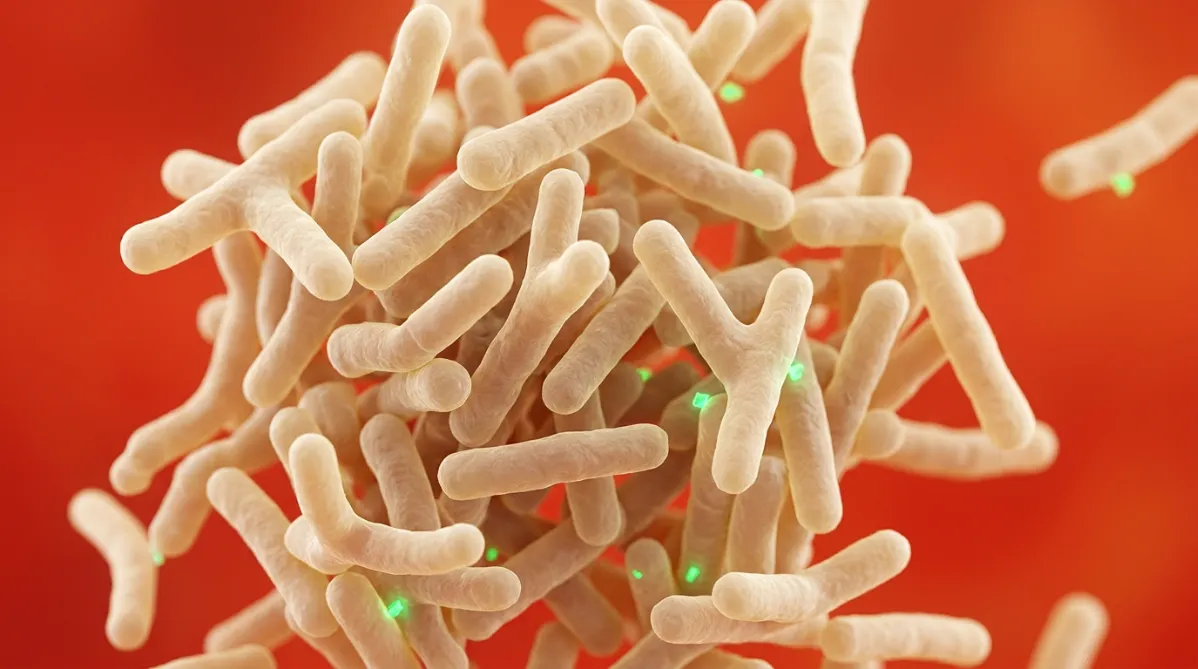
Extreme close-up microscopy-style photograph of a dense colony of rod-shaped, slightly branched Bifidobacterium cells, rendered as real textured organic forms with soft translucent walls and subtle surface detail. The cells are warm cream and ivory, clustered in the center and thinning toward the edges. The whole backdrop is a saturated tomato-red to orange field, smooth and out of focus, so the bacteria stand out in sharp contrast. A few scattered tiny crystalline metabolite specks glow faintly electric green (#00e676) near the colony. Camera angle is straight-on, slightly oblique, with a very shallow depth of field. Lighting is soft, diffuse backlight with gentle rim highlights on the cell edges and no harsh shadows. The mood is vivid, curious and hopeful, scientific but warm, with no blue cast anywhere. No text.
Longevity

この腸内細菌が産む5‑AVAB、炎症老化を抑える分子

Nova Chen · · 1 min read

この腸内細菌が産む5‑AVAB、炎症老化を抑える分子

【抜粋】加齢とともに静かに姿を消す腸内細菌が、実は思いがけない役割を果たしている可能性があります。新しい Nature Aging の研究では、中国の複数のコホートで高齢者の腸内から一貫して減少している Bifidobacterium pseudocatenulatum が特定されました。自然老化マウスに経口投与すると、多臓器にわたるインフラミエイジングが和らぎ、健康寿命が延長されました。研究チームは、この効果の一部が加齢とともに減少する代謝産物 5‑AVAB に起因すると結論付けています。この記事では、研究結果の概要、ヒトに対してはまだ検証されていない点、そして情報を正しく受け止めるためのポイントを解説します。

もし、腸内で最も静かな住人のひとつが実は老化に対する最強の防御者で、しかも年を取るほど姿を消すとしたら?

Nature Aging に掲載された新しい論文が、まさにこの問いに答えようとしています。対象となる微生物は Bifidobacterium pseudocatenulatum、そしてその微生物が産生する分子は 5‑aminovaleric acid betaine(5‑AVAB) です。

以下では、研究が明らかにしたこと、明らかにしなかったこと、そして今日できる現実的な行動についてまとめます。

主な発見:高齢者の腸内で失われつつある微生物

Luらの研究は、よく知られた前提から出発します。―腸内マイクロバイオームは加齢に大きく影響するが、どの微生物が本当に重要なのか、そしてその作用メカニズムはまだ不明である―という点です。研究チームはまず、腸内コミュニティが年齢とともにどのように変化するかを「エンテロタイプ」別にマッピングし、個人ごとに異なる微生物群が主導していることを示しました。その上で MicroAge と名付けたマイクロバイオームベースの「老化時計」を構築し、生物学的老化の軌跡を追跡しました。

この解析から浮かび上がったのが B. pseudocatenulatum です。年齢を重ねるにつれて男女問わず、かつ中国の複数コホートで一貫して減少していることが確認されました。この一貫性が、著者らがこの種を「老化防止(geroprotective)候補」と位置付けた根拠です。

ただし、ここで得られたのは 相関 であり因果関係ではありません。微生物の減少が観察されたという事実は示されていますが、復元すればヒトの老化が遅れると証明されたわけではありません。

マウスで何が起きたか

実験は 自然老化マウス に対して行われ、人間での試験ではありませんでした。単一株(モノセラピー)として経口投与したマウスでは、主に次のような変化が見られました。

  • 腸内の恒常性が回復
  • 多臓器にわたるインフラミエイジングが低下(加齢に伴う慢性の低度炎症)
  • 認知・運動機能が向上
  • 健康寿命が延長

報告されているのは「健康寿命の延長」であり、寿命そのものの延長 とは区別されます。また、効果の大きさを示す定量的データは本報告書では示されていないため、実際のインパクトは要旨だけでは評価できません。

代謝産物のひねり:5‑AVAB の登場

最も興味深いのはメカニズムです。研究者らは 5‑AVAB が B. pseudocatenulatum によって産生される主要代謝産物であることを突き止めました。この物質は加齢に伴いヒトでも生理的に減少することが報告されています。

5‑AVAB を直接投与した実験では、ライブ菌がもたらした全体的な効果の一部(認知・運動機能の改善、インフラミエイジング抑制)を再現できました。ここで重要なのは「一部」という表現です。5‑AVAB だけではライブ菌が与えるすべての効果を再現できず、生菌は単一分子以上の働きを持つか、あるいは分子を体内に適切に届ける仕組みが異なると考えられます。著者らは B. pseudocatenulatum–5‑AVAB 軸を「有望なターゲット」と位置付けていますが、これは 研究段階の方向性 であり、実用化された治療法ではありません。

なぜインフラミエイジングにとって重要なのか

インフラミエイジングは老化研究の中心テーマです。全身にわたる持続的な低レベル炎症は、認知機能低下、虚弱、代謝障害などと強く関連しています。従来の抗炎症戦略は免疫系を直接狙うことが多いですが、本研究は「欠損した腸内共生菌とそれが産生する小分子」が上流のレバーになる可能性を示唆しています。

代謝産物という形で提示できる利点は、標準化・投与量調整・臨床試験が比較的容易という点です。したがって、5‑AVAB が将来的にプロバイオティクスより実用的な介入手段になる可能性はありますが、これは論文外の推測であり、要旨自体はそのように主張していません。

実践的なポイント(正直な注意点付き)

  • 投与量とタイミング:要旨にはヒト用の投与量、スケジュール、製剤形態は一切記載されていません。ヒトに対するエビデンスベースのプロトコルは存在せず、マウスの用量を直接人に当てはめることはできません。
  • 対象になりうる人:長期的には、腸内に Bifidobacterium 系統が不足している高齢者が自然なターゲットになるでしょう。ただし、この減少パターンは中国のコホートで確認されたもので、他の人種・地域で同様かは未検証です。
  • 今すぐ控えるべき人:
    1. 実証済みの抗老化製品を探している人。ヒトでの介入データはまだありません。\
    2. 免疫抑制状態にある人や重篤な疾患を抱えている人は、プロバイオティクス摂取前に必ず医師と相談してください。これは論文の結果に基づく警告ではなく、一般的な注意喚起です。\
    3. 「5‑AVAB 含有」や「この株だけ」などと謳う商品に手を出す前に、ヒト試験で裏付けられているか必ず確認しましょう。
  • 今すぐできること:現時点でこの研究だけを根拠に特定のサプリメントを購入する必要はありません。研究の進展を注視しつつ、食物繊維が豊富な食事やバランスの取れた食生活といった、腸内環境を健康に保つ一般的な習慣を続けるのが最も賢明です。

結論

本論文は、ヒトコホートデータ(年齢とともに減少する微生物と代謝産物)から動物実験(マウスでの機能回復)へと一貫したストーリーを構築しています。主な制限は、因果関係の証拠がマウスに限られること、5‑AVAB が効果の「一部」しか再現できないこと、ヒトでの投与量や有効性のデータが全く示されていないことです。

今後解決すべき課題は、B. pseudocatenulatum または 5‑AVAB が高齢者のインフラミエイジング指標をどう変えるか、そして有効な投与量はどれくらいか、という点です。臨床試験が結果を出すまでは、これは有望なリードであり、推奨ではないと捉えてください。

出典: Lu et al. "A geroprotective probiotic and its functional metabolite counteract inflammaging to extend healthspan." Nature Aging. DOI: 10.1038/s43587-026-01181-4. PubMed: https://pubmed.ncbi.nlm.nih.gov/42642521/
Original study

Read the original research on pubmed.ncbi.nlm.nih.gov →

This article summarizes published research for general information. It is not medical advice.

NC

Written by

Nova Chen

Nova Chen writes for Biocracked: biohacking science, longevity & human performance.

Related Articles

Approach: Macro science. Palette: D, bold color field.

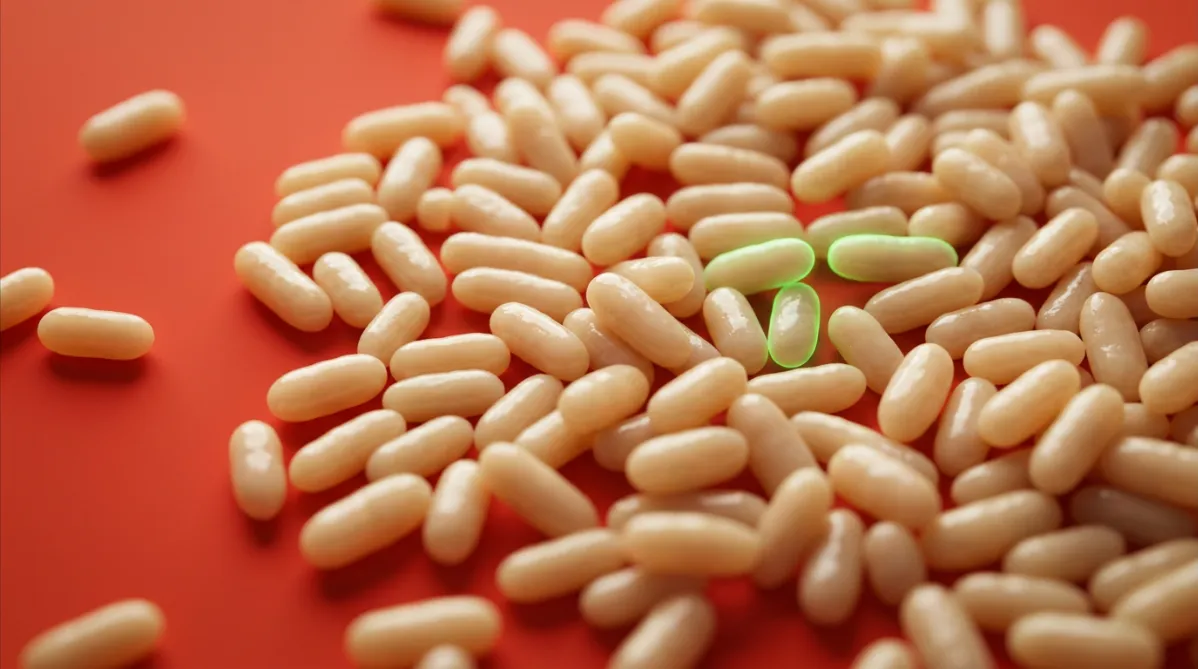
Extreme close-up microscopy-style image of a dense cluster of oval, rod-shaped bacteria with a slightly mucous, glossy membrane texture, shot from a shallow top-down angle with a razor-thin focal plane. Most of the colony sits in the sharp center, softening into creamy blur at the edges. The cells are warm ivory with subtle translucent depth, resting on a saturated tomato-red backdrop. A scattering of sparser, isolated cells on one side suggests "low baseline" and hints at the subgroup story. One or two cells carry a faint electric green (#00e676) fluorescent rim glow. Lighting is soft, directional studio light with gentle specular highlights on the cell walls and clean shadows in warm red tones. Mood: curious, precise, quietly skeptical, with a vivid but grounded look. No text and no blue cast.
supplements

Akkermansia、主要エンドポイントは未達だが欠乏者では例外的効果

BY NOVA CHEN ·

パスチャライズドされた腸内細菌で“自然なGLP‑1ブースター”として売り込まれていたものが、142名を対象とした二重盲検試験で主要エンドポイントであるインスリン感受性の改善に失敗した。探索的解析では血糖負荷後のGLP‑1上昇が確認され、ベースラインでAkkermansiaが低い被験者ではインスリン感受性が改善し、胴体脂肪も減少した。これらのサブグループ結果は仮説生成的で、有意水準の境界付近にあり、企業の関与が強い研究から得られたものだ。以下にデータが示すこと、示さないこと、そして関心を持つべき人々をまとめる。

Approach: Macro science. Palette: D, bold color field.

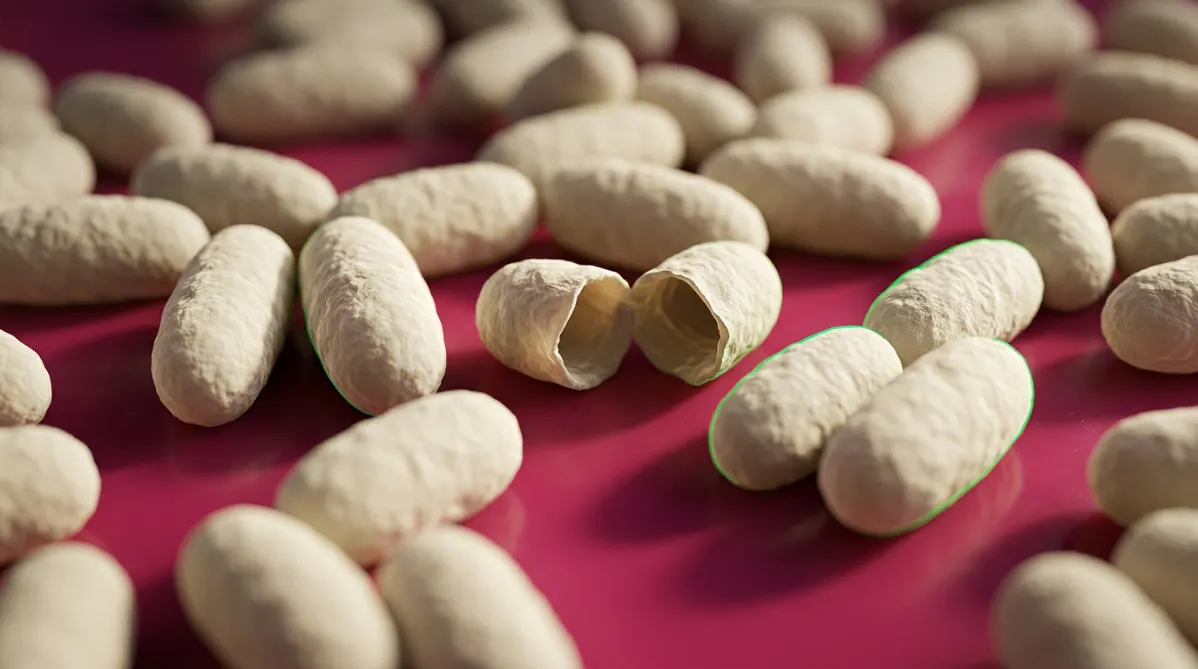
Extreme close-up microscopy-style photograph of a dense cluster of oval, rod-shaped bacterial cells, rendered as slightly wrinkled, matte, pale cream-white forms with visible surface texture. They rest on a smooth, saturated magenta-pink gel surface. Several cells in the foreground are crisp, while the rest fall into soft shallow depth of field. One cell near the center is split open and visibly hollow, to suggest a dead, heat-treated organism. Camera is a low three-quarter angle, as if through a scanning microscope. Lighting is a single hard, warm-white side light that casts short crisp shadows and creates bright rim highlights. A thin electric green (#00e676) line of reflected light traces the edge of one cell. The mood is stark, curious and quietly skeptical. There is no text and no labels.
metabolism

死んだ方が効果的だった腸内細菌:Akkermansia が示す 29% の優位性

BY HELIX WARD ·

Akkermansia muciniphila の初ヒト試験では、生菌ではなく加熱不活化(ペーストリゼーション)した形態がヘッドライン級の結果を示しました。インスリン感受性は 28.62% 上昇し、空腹時インスリンは 34.08% 低下しました(プラセボと比較)。体重や体脂肪の変化は統計的有意に達しませんでした。著者の中には特許を保有し、同菌を販売する企業を共同設立した人物もいます。

A wide landscape editorial photograph of a minimalist laboratory-meets-wellness still life on a pale, warm-gray stone countertop, softly lit by diffused morning window light from the left. In the center foreground, a small amber glass supplement jar with a plain matte white label sits beside a scattering of fine white powder and a few loose white capsules on a ceramic dish. Next to it rests a clean, open notebook with faint hand-drawn line graphs, two diverging curves rising gently, one slightly higher than the other, drawn in muted sage-green and charcoal ink. A slim brass pen lies across the page.

In the soft-focus midground, a delicate glass beaker filled with clear liquid catches a thin streak of light, casting a gentle caustic shimmer across the stone. A sprig of dried eucalyptus and a small sliver of citrus peel add organic texture. Behind them, an out-of-focus wall of pale oat-colored tiles and a floating wooden shelf holds a few blurred ceramic vessels and a small potted fern.

The color palette is calm and editorial: warm creams, sage green, soft amber, muted terracotta accents, and touches of charcoal. Shallow depth of field with a crisp focus on the jar and notebook, creamy bokeh in the background. Subtle film-like grain, natural shadows, and generous negative space on the right third of the frame, suitable for headline overlay. The mood is thoughtful, measured, and trustworthy, like a contemporary science and wellness journal cover: modern, tactile, quietly optimistic, and grounded rather than hyped.
longevity

カルシウムα-ケトグルタル酸、雌マウスの寿命を最大16.6%伸長 – ヒトへの意味は?

BY DR. SYNAPSE ·

2020年の Cell Metabolism に掲載された研究では、55歳前後に相当する中年マウスに食餌の2 %(重量比)でカルシウムα-ケトグルタル酸(CaAKG)を投与すると、雌マウスの中央値寿命が最大で16.6 %伸び、虚弱も減少したと報告されています。第2のコホートでは効果はやや小さく(10.5 %)で、雄では統計的に有意な延命は認められませんでした。研究者はこの効果を全身性炎症の低下とIL‑10上昇に結びつけていますが、マウス実験だけであり、人間の寿命が伸びることを示すものではありません。本稿ではデータの実際の意味、サプリメントの宣伝とずれている点、そしてCaAKGが「検証済みプロトコル」ではなく「研究注視リスト」に入るべき理由を解説します。

A serene editorial still life shot from a slightly elevated angle on a pale travertine surface, bathed in soft morning window light with gentle long shadows. At the center sits a small matte ceramic bowl in warm oatmeal tone, holding a fine mound of white crystalline powder, with a delicate wooden scoop resting beside it. A few grains are scattered naturally across the stone. To the left, a clear glass of water catches the light, throwing a subtle caustic shimmer onto the surface. To the right, a neatly arranged trio of translucent amber glass capsules and a single sprig of dried eucalyptus add organic texture.

In the softly blurred background, a sage-green linen cloth drapes across the frame, and a vintage brass hourglass stands upright, its sand halfway through. This is a subtle nod to aging and time. A small open notebook with faint, abstract hand-drawn line graphs trending gently downward, with no legible text, rests at the edge of the composition, with a slim pencil placed across it.

The palette is calm and modern: creamy ivory, warm sand, muted sage, soft terracotta, and touches of honey amber. The mood is quiet, thoughtful, and scientific without being clinical, like a contemporary wellness and science magazine cover. Shallow depth of field keeps the powder bowl crisp, with creamy bokeh behind it. Generous negative space on the right side of the wide 16:9 frame leaves room for headline overlay. Fine film-like grain, natural color grading, and minimalist composition give it a refined, trendy journal feel.
longevity

タウリン:安価なアミノ酸でマウスの寿命を最大12%延長、ヒトでは加齢とともに減少

BY DR. SYNAPSE ·

2023年のScience誌の研究で、血中タウリン濃度がマウス、サル、そして人間で年齢とともに低下することが示されました。中年マウスにタウリンを補給すると、中央値の寿命が約10〜12%伸び、健康寿命も改善されました。タウリンは細胞老化やDNA損傷、ミトコンドリア機能障害、炎症を抑制するようです。ただし人間でのデータは観察結果にすぎず、マウスの投与量は数グラム相当になるため、まだ決定的な証拠とは言えません。ここでは研究結果の概要、議論されている投与量、そして研究者が臨床試験の必要性を訴える理由をまとめます。

This page is available in