Biocracked
←

#pilot-study

1 article
**Approach 1: Macro science. Palette C: Natural.**

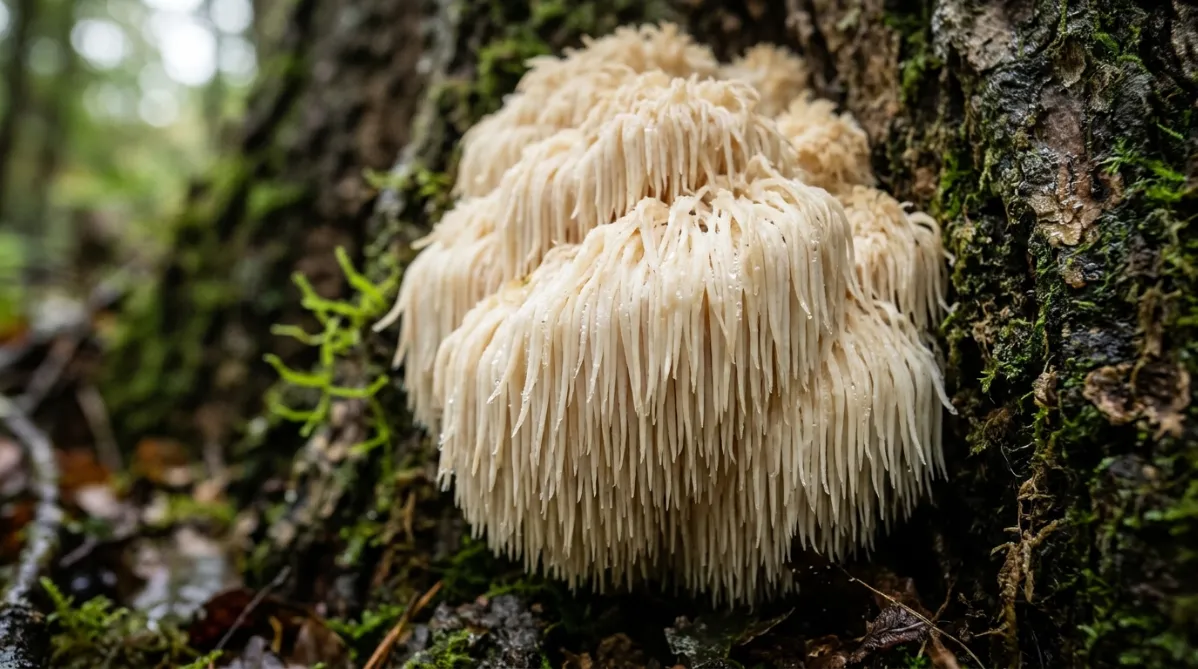
Extreme close-up of a fresh lion's mane mushroom (Hericium erinaceus), shot at a slight low three-quarter angle with a macro lens and shallow depth of field. Its cascading white-cream spines hang in dense, delicate strands, and the nearest tips are sharp and slightly translucent, with tiny beads of moisture. Behind it, soft out-of-focus oak bark and moss glow in green and brown. Diffuse overcast daylight from the upper left gives gentle shadows and a faint warm rim light on the spines. A few strands of bright electric green moss in the blurred background pick up the brand accent. The mood is quiet, curious and measured, the look of careful observation rather than hype. Photorealistic, with no text or labels.
supplements

2 g di Lion’s mane per 4 settimane: cosa è successo a BDNF e alla concentrazione?

BY NOVA CHEN ·

Lion’s mane è promosso come il fungo che potenzia il cervello, ma cosa succede quando 10 adulti sani assumono 2 g al giorno per 28 giorni? Uno studio pilota pubblicato su *Nutrients* ha misurato le funzioni esecutive e il BDNF plasmatico, senza trovare alcuna differenza statisticamente significativa. Le dimensioni dell’effetto sono state piccole‑medie (flanker d=0,48, DCCS d=0,25, BDNF d=0,31) e il supplemento è risultato ben tollerato. L’assenza di gruppo placebo, il campione ridotto e i legami industriali rendono questi risultati più un indizio che una prova. Ecco cosa i dati possono e non possono dirti, e come avvicinarti a Lion’s mane se sei curioso.

This page is available in