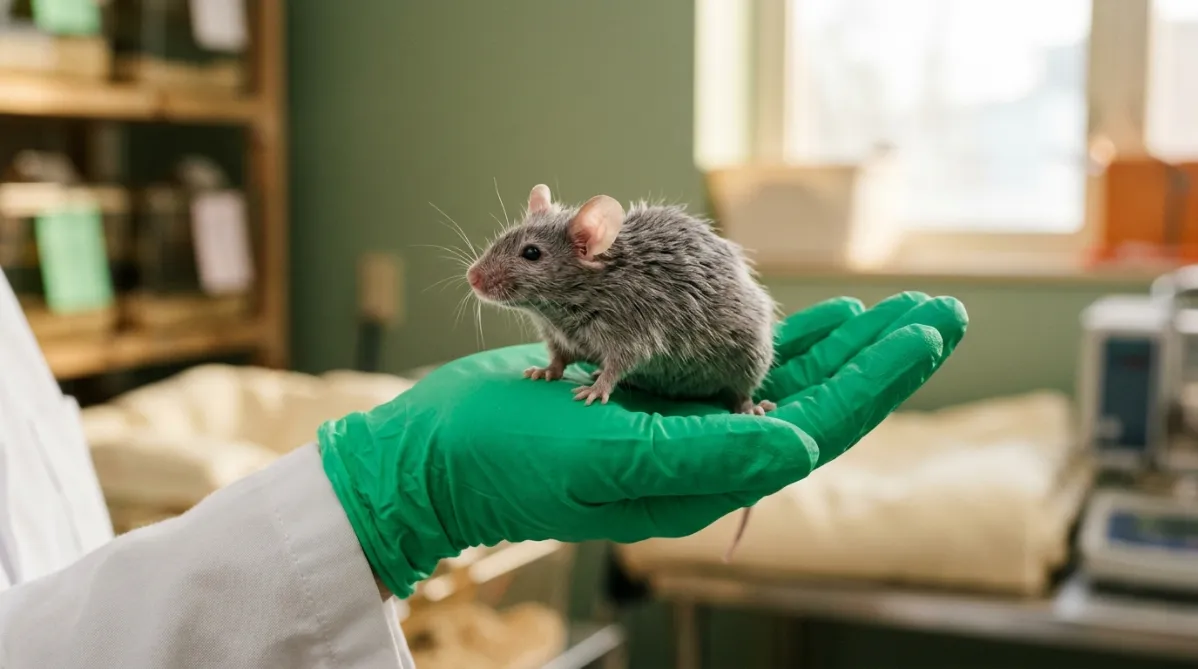
Ozempic's Active Ingredient Extended Lifespan in Old Mice. Here's Why
Semaglutide, the active ingredient in Ozempic and Wegovy, extended lifespan in old female mice in a new Nature study from UC Berkeley. Treatment began at 20 months of age and mimicked many benefits of calorie restriction. In a direct comparison, the drug also showed more favourable trajectories than matched calorie restriction in exploratory drive, spatial memory and glucose control. But this is mouse research in females only, with no dosing guidance for humans. Here is what the findings suggest, and what they do not.

Rapamycin Failed a Huge Human Longevity Test. Here's the Catch
Rapamycin is the darling of the longevity world, but its biggest real-world human test just came back unimpressive. Among 4,885 kidney transplant patients on rapamycin and 6,589 who weren't, median survival age was 64.6 vs 64.3 years, a statistically similar result after adjustment. Over a median 11-year follow-up with 6,443 deaths, researchers saw no meaningful lifespan gain. But the study involved transplant patients on immunosuppressive regimens and was observational, so it can't settle whether low, intermittent dosing works in healthy people. Here's what it does and doesn't tell you.