Biocracked
Approach 4, conceptual metaphor, in palette D, bold color field.

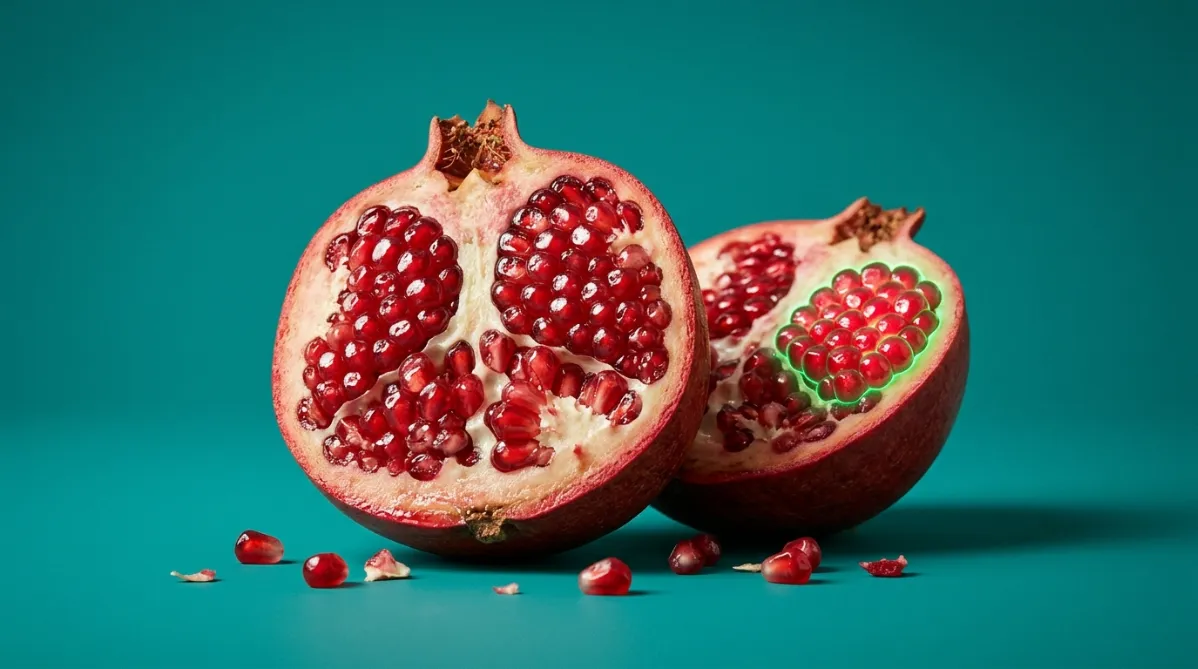
A single pomegranate, split open, sits at the center of a saturated teal backdrop. It is photographed from a slightly high three-quarter angle with a macro lens. One half is pulled slightly forward and the other stays behind it, which hints at two close siblings. The ruby arils are glossy and densely packed. In the smaller half, a few arils glow with a subtle electric green rim light, as if one has been singled out. Pomegranate is a natural source of the precursors that gut bacteria convert into urolithins. Soft, large-source studio light comes from the upper left. It casts crisp, clean shadows on a seamless teal surface and gives the red fruit sharp specular highlights. A few arils are scattered nearby. The mood is curious, vivid and quietly scientific, with a strong red-against-teal contrast and no text.
Longevity

Urolithin D vs. A: The Obscure Sibling That Shielded Mouse Memory

Nova Chen · · 4 min read

Urolithin A gets the headlines, the clinical trials and the supplement-shelf space. But a new paper puts its lesser-known sibling, urolithin D, in the spotlight. In aging mice, it was linked to better memory, less hippocampal damage and a boost to the cell's mitochondrial quality-control machinery.

Before anyone adds it to a cart: this is a mouse study with cell experiments. There is no human data, and urolithin D is not a common supplement.

The Study at a Glance

The work was published as Chen P, Wang Y, Huang Y, et al., "Ellagitannin Metabolite Urolithin D Ameliorates Cognitive Function and Behavioral Performance in Aging Mice Partially via AMPK/PGC-1α/SIRT3-Dependent Regulation of Mitophagy-Related Molecular Machinery," Molecular Neurobiology, 2026;63(1):952. DOI: 10.1007/s12035-026-06245-5. PubMed: 42842065.

The team, from hospitals and a pharmaceutical sciences school in Wuhan, China, tested urolithin D in two settings:

  • Mice: Animals received daily intraperitoneal injections of 150 mg/kg D-galactose for 8 weeks. They also received urolithin D by oral gavage at 50–150 mg/kg/day.
  • Cells: HT22 neuronal cells (a mouse hippocampal cell line) were stressed with D-galactose to see what urolithin D did to mitochondria and related proteins.

Why the Model Matters

The "aging" in these mice is not natural aging. D-galactose is injected at high doses to chemically induce aging-like changes, a common shortcut in the lab. It is useful for screening compounds, but it is not the same as a mouse (or a person) growing old over years. Any claim about "reversing aging" would be a stretch.

What Urolithin D Did

Per the abstract, urolithin D treatment in the D-galactose mice:

  • Improved cognitive performance and behavioral impairment
  • Reduced hippocampal pathology (the hippocampus is a key memory region)
  • Preserved synaptic plasticity
  • Alleviated aging symptoms

The abstract does not give effect sizes in the text, so "improved" here means what the authors report qualitatively. It does not mean memory was fully restored.

The Mechanism: Mitochondrial Housekeeping

The authors tie the effects to mitophagy, the process cells use to clear out damaged mitochondria. They report that urolithin D:

  • Raised levels of AMPK, PGC-1α and mitochondrial SIRT3, three proteins tied to energy sensing and mitochondrial function
  • Shifted mitophagy-associated signaling, with altered expression of Beclin1, LC3, P62, Parkin and PINK1
  • In stressed neuronal cells, helped normalize mitochondrial shape, oxidative stress and calcium homeostasis

The cell experiments probed causality. Knocking down SIRT3 in HT22 cells increased mitochondrial damage and suppressed mitophagy-related machinery. Inhibiting AMPK or PGC-1α abolished urolithin D's protective effects, while overexpressing SIRT3 eased the D-galactose-induced abnormalities.

The authors say urolithin D "partially" triggers changes consistent with mitophagy activation through this AMPK/PGC-1α/SIRT3 cascade. "Partially" matters: it is one pathway among likely several.

Urolithin D vs. Urolithin A: What We Can and Can't Say

The paper does not compare urolithin D with urolithin A. Nobody has shown here that D beats A, matches A, or even works through a different route. The framing is simply that both belong to the same family of gut-derived metabolites, and that urolithin A, the better-known one, has human supplement products, while urolithin D largely sits in the research literature.

What the new work adds is a signal that other urolithins may also touch the mitophagy-AMPK-SIRT3 axis in brain cells.

Where Urolithins Come From

Urolithins are not in food directly. Ellagitannins and ellagic acid, found in pomegranate and walnuts (and also in some berries), are converted by gut bacteria into urolithins. That has two implications:

  • People differ in which urolithins their microbiome produces, and how much.
  • Eating ellagitannin-rich foods is not the same as taking a purified compound at the doses used in the mice.

Practical Takeaways

Dose: There is no human dose for urolithin D. The 50–150 mg/kg/day in mice is a laboratory dose and cannot be converted into a safe or effective human amount from this study.

Timing: The mice were treated daily for 8 weeks alongside D-galactose. That is a prevention-style design, not evidence about treating existing memory problems, and it says nothing about the best time of day.

Who it might be relevant for: Today, mostly researchers. For general readers, the relevant action is eating ellagitannin-containing foods like pomegranate and walnuts, or looking at urolithin A products, which do exist commercially. Check the evidence and quality for any specific product yourself.

Who should skip it: Anyone hoping to self-treat memory loss or neurodegeneration with this compound. Also be cautious if you are pregnant, take medications, or have a medical condition; talk to a clinician before taking concentrated supplements. Safety of urolithin D in humans has not been assessed in this work.

What to Watch For

  • Human trials: None exist for urolithin D in this paper. Look for pharmacokinetic and safety data first.
  • Head-to-head studies: A direct comparison with urolithin A would show whether D offers anything distinct.
  • Natural-aging models: Results in chemically induced aging need confirming in naturally aged animals.
  • Brain exposure: The study doesn't establish how much urolithin D reaches the human brain after oral intake.

Bottom Line

Urolithin D is an intriguing, early-stage lead: in a D-galactose mouse model and neuronal cells, it improved memory-related outcomes through a pathway involving AMPK, PGC-1α, SIRT3 and mitophagy. It is not a proven human memory aid, and it is not a supplement you can reasonably evaluate yet. The authors declared no competing interests, and the animal work had institutional ethics approval.
Original study

Read the original research on pubmed.ncbi.nlm.nih.gov →

This article summarizes published research for general information. It is not medical advice.

NC

Written by

Nova Chen

Nova Chen writes for Biocracked: biohacking science, longevity & human performance.

Related Articles

Approach 4, conceptual metaphor, in palette D, bold color field.

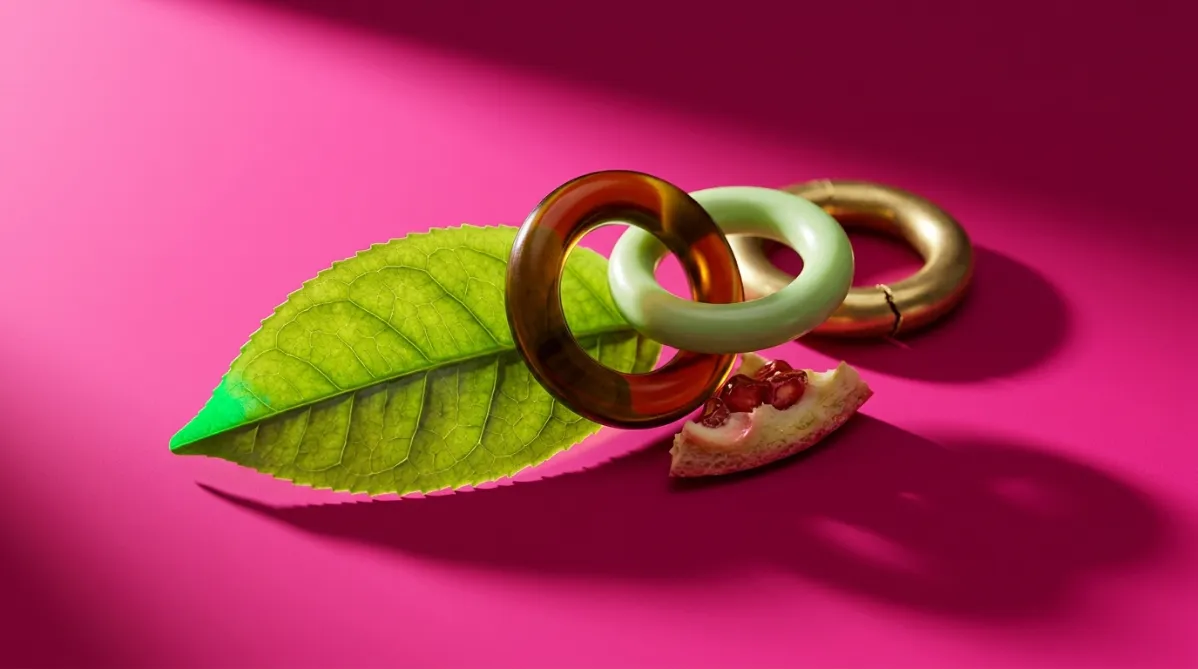
A single translucent green tea leaf, its veins backlit, lies on a saturated magenta seamless backdrop beside a small pomegranate rind fragment. Together they form a split, two-part chain: a bright brass chain link made of two interlocking rings, one ring dark amber and one pale green, rests on top. Behind it, one ring has a hairline crack. Shot from a low three-quarter angle with a shallow depth of field, the front link razor sharp and the background softly blurred. Lighting is a crisp, hard key light from the upper left with a soft magenta bounce and a long defined shadow across the surface. The palette is vivid magenta, deep amber, and a small accent of electric green (#00e676) on the leaf edge. The mood is curious and skeptical: promising but unproven, with two parts joined yet not fully tested.
longevity

Urolithin A + Green Tea EGCG in Alzheimer's Mice: The Catch

BY NOVA CHEN ·

Two natural compounds, urolithin A and green tea's EGCG, were given together to Alzheimer's-model mice, and the animals' mitochondria looked markedly different afterward. Treated mice showed shifts in fission and fusion genes, higher mitophagy-associated markers, longer mitochondria and more ATP. The combination often outperformed the regimen without EGCG across mitochondrial and neuronal measures. But this was injected dosing in mice, and the authors say mitophagic flux, respiration and EGCG's specific role still need testing. Here's what the study found, what it can't tell us, and why it isn't a supplement recommendation.

Approach: conceptual metaphor, with a natural palette.

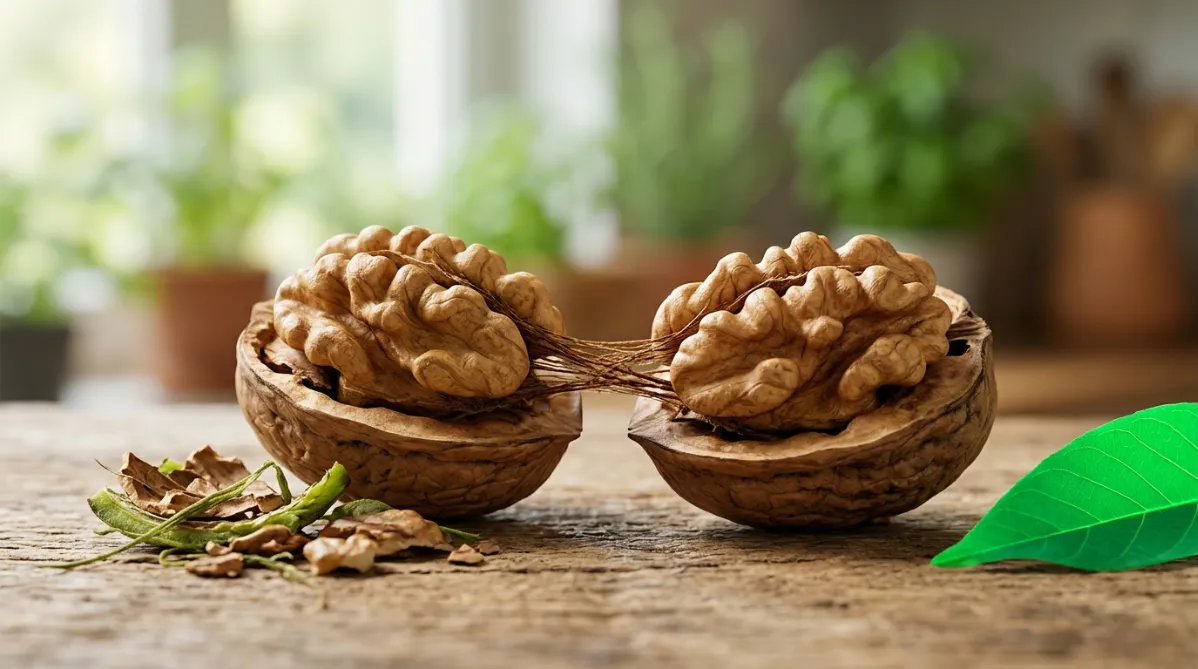
A single walnut is cracked open on a rough wooden board, and its two halves sit slightly apart. The halves are shot in tight macro from a low three-quarter angle. The walnut's brain-like folds are the focus. Between the halves, a thin cluster of fine, dark brown tannin-stained fibers stretches like a bridge. Beside it sits a small pile of shell fragments with a few strands of green walnut husk. A small, sharp, electric green (#00e676) leaf catches the light at the edge of the frame. The background is a softly blurred window-lit kitchen garden in leafy greens and warm earth tones. Soft natural daylight comes from the left and gives gentle shadows and visible texture on the nut's ridges. The mood is calm, curious and quietly scientific, with a fresh morning feel and no blue cast.
longevity

Urolithin A: The Walnut Gut Byproduct Tied to a Thicker Brain

BY NOVA CHEN ·

Eat a walnut and your gut bacteria turn its ellagitannins into urolithins, compounds that may be tied to how well your brain ages. In a 2-year MRI sub-study of the WAHA trial, bigger rises in urolithin A, urolithin C, and urolithin C glucuronide were associated with preserved cortical thickness among walnut eaters, mostly in right-hemisphere regions. The pattern was stronger in people with metabotype B gut profiles. But this is an association inside a randomized trial, not proof of cause, and it says nothing direct about urolithin A supplements. Here's what the data show, who might care, and who should stay skeptical.

**Approach:** Conceptual metaphor, in a bold color field palette (D).

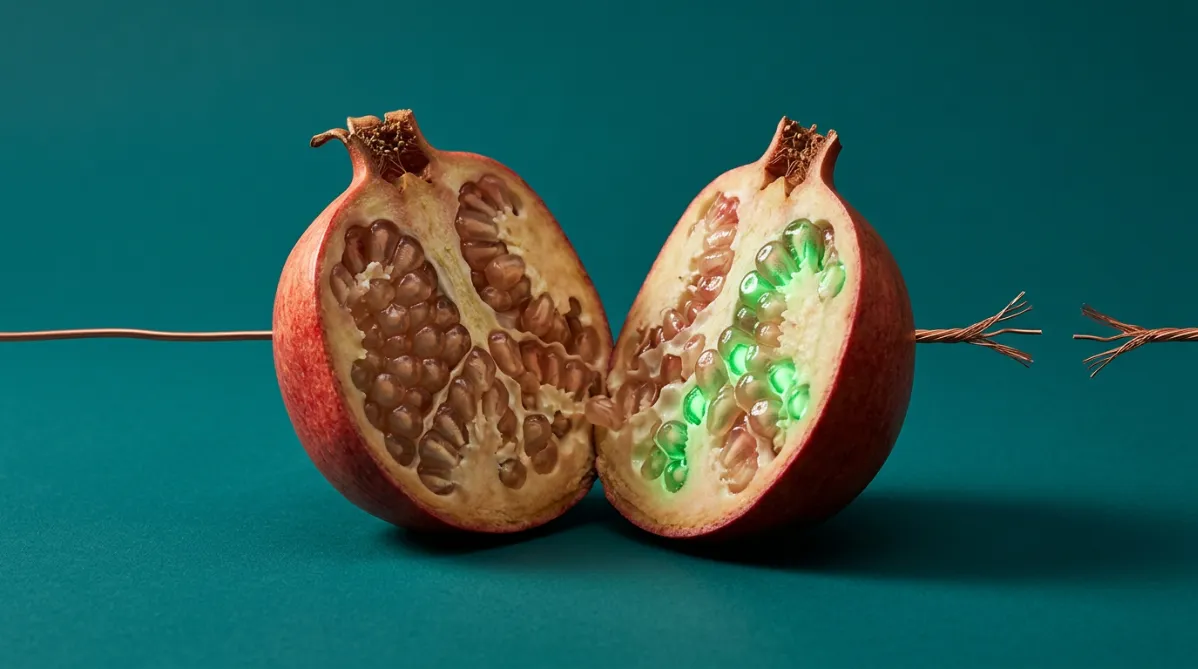
A single ripe pomegranate, split open, on a saturated teal backdrop. It is the natural source of urolithin A's precursors. The camera sits at a slightly low three-quarter angle, close enough to show glossy, translucent arils. On the left half, the arils sit dull and tightly packed. On the right, a few arils hold a faint electric green glow, as if lit from within, hinting at a selective response in one place and not another. Behind the fruit, a thin copper wire runs across the frame and is unbroken on one side and fraying on the other, standing for arteries versus brain vessels. Soft, directional studio light from the upper left casts crisp shadows. Mood: curious, restrained, quietly hopeful. No text anywhere.
supplements

Urolithin A Didn't Fix Arteries in 4 Weeks, but the Brain Responded

BY NOVA CHEN ·

A double-blind trial of 50 adults aged 40-64 with obesity found that 1,000 mg of urolithin A daily for four weeks did not improve flow-mediated dilation, the study's primary endpoint. Peripheral microvascular measures were also unchanged. Yet task-evoked cerebrovascular hemodynamic responses were significantly greater with urolithin A than with placebo, even though task performance did not budge. Because the brain result is a secondary outcome from a short, small trial, it is a lead rather than a conclusion. Here is what the data show, what they don't, and what it means for anyone considering the supplement.

Approach: conceptual metaphor. Palette: bold color field.

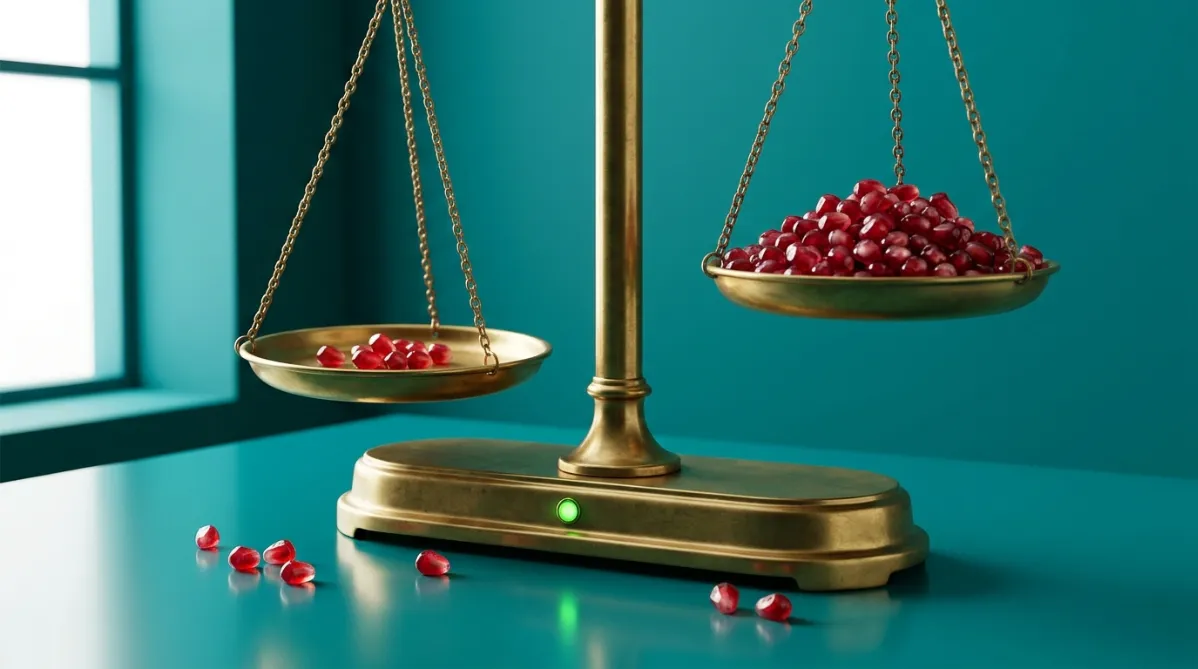
A vintage brass two-pan balance scale photographed at a slight low three-quarter angle, set against a saturated teal seamless backdrop. The left pan holds a small cluster of glossy ruby pomegranate arils and sits lower, tipped down. The right pan holds a much larger heap of arils and rides visibly higher, so the smaller dose reads as the heavier one. A few arils have rolled onto the glossy teal surface, each with a sharp specular highlight and a translucent, juicy glow. Soft large-window light from the left gives gentle shadows and a warm brass sheen. A tiny electric green indicator light glows on the base of the scale. Shallow depth of field blurs the background and the far pan. The mood is playful, curious and quietly skeptical, with crisp editorial clarity.
supplements

Half the Pomegranate Dose Did More for Skin. The Main Goal Still Missed.

BY LYRA VOSS ·

Most supplement logic says more is more. This trial of a pomegranate extract pill called Pomanox pointed the other way. The lower dose, 367 mg, produced the most interesting skin signals, while the 700 mg dose mostly lagged behind it. Before you order a bottle, there's a catch: the study's main goal, shrinking a facial dark spot, did not hit statistical significance.

This page is available in