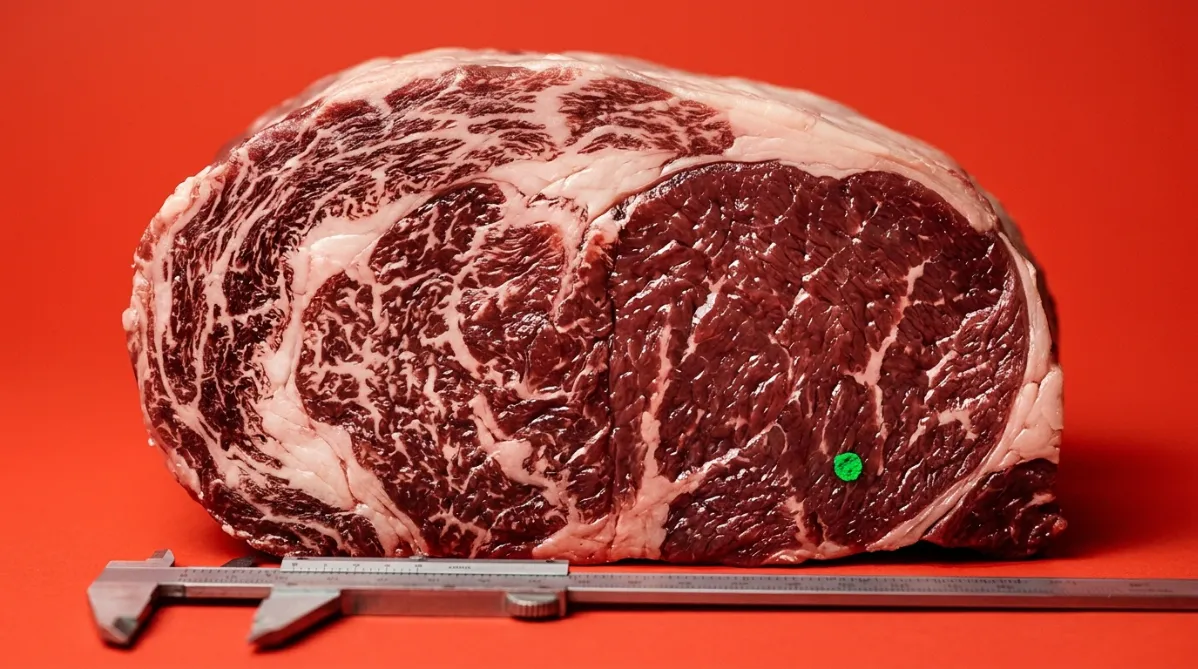
A new randomized trial from National Taiwan University Hospital offers a useful reality check on the supplement stack. In older adults with clinically defined sarcopenia, a multi-ingredient formula built around creatine, leucine-rich protein and medium-chain triglycerides (MCT) added measurable lean mass in just eight weeks, with no exercise program. But the gain was small, and it did not translate into a statistically significant strength advantage over placebo.
What the trial tested
The study, published in Life in August 2026 by Chan and colleagues, enrolled 73 adults with a mean age of 77.3 years (±7.7) who met the Asian Working Group for Sarcopenia (AWGS) 2019 criteria. Participants were randomized in a double-blind design to either the supplement, called TLN-01 (n = 34), or an isocaloric placebo (n = 39).
TLN-01 is not a simple creatine-plus-leucine product. According to the abstract, it combines:
- Whey protein
- Branched-chain amino acids (the leucine source)
- Medium-chain triglycerides
- Creatine
- Resveratrol
- Vitamin D3
The primary outcomes were appendicular skeletal muscle mass (ASM), measured by DXA, and handgrip strength. Targeted plasma amino acid profiling was an exploratory add-on.
The muscle result: real, but modest
ASM rose by 0.42 kg (+3.2%) in the supplement group (p < 0.001) and did not change in the placebo group (p = 0.785). The between-group difference was statistically significant (ANCOVA p < 0.01). Gaining lean mass in eight weeks, in people averaging 77 and not training, is not trivial.
The authors themselves flag the caveat: the absolute change fell below the commonly cited minimal clinically important difference (MCID). A change can be statistically solid and still too small to make someone walk faster, rise from a chair more easily or fall less often. This result is a signal that the intervention does something biologically, not proof that it changes how people function.
Strength: the null that matters
Handgrip strength did not differ significantly between groups (p = 0.32). That is the headline limitation for anyone hoping a powder can replace training.
The within-group data add some nuance. Placebo participants lost about 7.0% of their grip strength over eight weeks (p < 0.001), while the supplement group showed no significant decline (p = 0.537). The authors read this as the supplement attenuating decline. That is plausible, but it is a secondary reading. The direct comparison between groups was not significant, and within-group changes are weaker evidence than between-group tests. The more cautious interpretation is that the trial hints at a protective effect on strength without demonstrating one.
Metabolomics: interesting, not conclusive
The exploratory plasma analysis found lower taurine and 1-methylhistidine and higher kynurenine in the supplement group. The 1-methylhistidine drop could, in theory, reflect less muscle protein breakdown, since the marker is linked to meat intake and muscle turnover. But the PCA and PLS-DA models showed no clear separation between groups. The authors label these findings hypothesis-generating and decline to claim altered amino acid utilization or proteolysis. That restraint is appropriate, and readers should follow it.
On safety, no clinically significant adverse metabolic or renal events were reported, which matters in an older population where kidney function is a common concern with creatine and high protein intake.
Why the age and the design matter
Sarcopenia affects more than 20% of older adults in Taiwan, according to the authors, and it drives frailty and functional decline. Many of those patients cannot reliably complete a structured exercise program because of mobility limits, pain, cognitive issues or illness. For them, nutrition may be the only practical lever, which is why showing any effect without exercise has value.
The limits are also clear: a single site, eight weeks, 73 participants, and a formula with several active components. Because everything was tested together, the study cannot say whether creatine, leucine, MCT, whey, resveratrol or vitamin D did the work, or whether they act synergistically.
Practical takeaways
Who it may suit. The most defensible target is older adults with diagnosed or suspected sarcopenia who cannot do resistance training, ideally under clinician guidance. Healthy, active adults were not studied.
What to look for. The ingredient logic is leucine-rich protein (whey and BCAAs) for muscle protein synthesis, creatine for muscle energy and possibly lean mass, MCT as a readily used fat source, and vitamin D3 for muscle and bone support. The abstract does not report doses, so do not assume an off-the-shelf stack matches the trial formulation. Check dosing with a physician or dietitian, particularly for anyone with kidney disease.
Pair it with resistance training if at all possible. This study tested the supplement without exercise, and strength did not clearly improve. Resistance training remains the best-established intervention for sarcopenia, and nutrition is typically considered a complement to it. Nothing here suggests the stack replaces it. For people who can train, a combined approach is the logical next step, though this trial did not test it.
Set expectations. Think of this as a way to slow loss and nudge lean mass upward, not a rejuvenation tool. Eight weeks produced about 0.4 kg of ASM, below the clinical threshold.
Bottom line
This trial supports the idea that a creatine, leucine and MCT-based formula can build a little muscle in people in their late seventies who are not exercising, and that it is safe over eight weeks. It does not show that the muscle is functionally meaningful, and handgrip strength did not significantly beat placebo. Longer trials, with functional endpoints such as gait speed and chair stands, and with exercise as a test arm, are needed before this stack moves from promising adjunct to standard care.