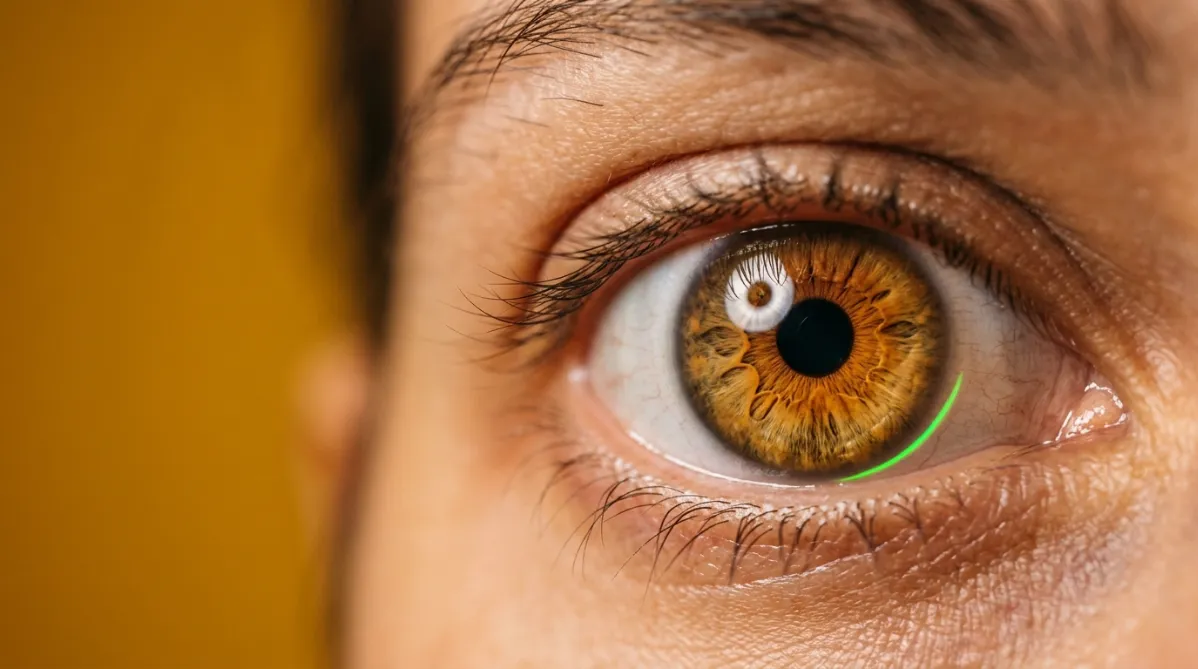
Drusen deposits are an early warning sign of age-related macular degeneration, and they usually grow over time. In a 24-month human trial, a resveratrol, quercetin, and curcumin combination was associated with a 13.4% drop in central drusen volume, versus a 6.9% rise with curcumin alone. But the study was open-label, included just 38 patients, and had no placebo group. The visual acuity difference (P = 0.08) wasn't statistically significant, and AREDS2 remains the established supplement standard. Here's what the numbers show, what they don't, and what to ask your eye doctor.
This page is available in