Biocracked
←

#nac

2 articles
Approach: macro science. Palette: bold color field, a saturated teal backdrop.

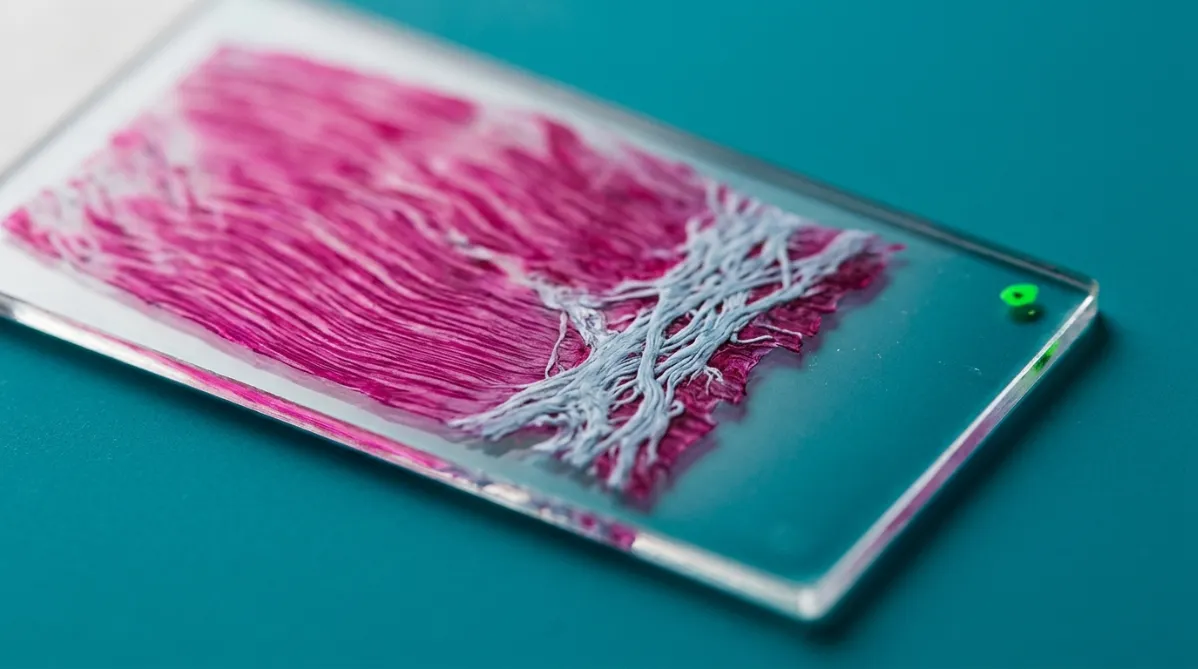
Extreme close-up microscopy-style photograph of a thin slice of rat heart muscle on a glass slide, stained in rich magenta-pink with fine, wavy parallel muscle fibers. In one half of the frame the fibers are neat and orderly. In the other half, thick pale-blue-grey strands of fibrous scar tissue cut across them in a ragged band. The slide sits on a saturated teal surface and is shot from slightly above at a shallow angle, so the glass edge catches a crisp highlight. Soft, even studio light with a shallow depth of field blurs the slide's far corner. A single tiny electric green marker dot sits on the slide's edge. The mood is precise, investigative and slightly tense, with a vivid, graphic contrast between the teal and the magenta tissue. No text or labels.
supplements

GlyNAC protegge i cuori dei ratti diabetici dalle cicatrici, ma con riserve

BY NOVA CHEN ·

Uno studio su ratti ha scoperto che la combinazione di glicina e NAC, alla base della tendenza GlyNAC, ha preservato meglio la struttura cardiaca e ha ridotto i principali segnali di stress negli animali diabetici. Tuttavia, la combinazione non è risultata superiore in tutti gli aspetti, perché la sola NAC ha ottenuto risultati migliori su alcuni marcatori di stress ossidativo. Lo studio è stato condotto su un modello di diabete indotto da streptozotocina in 34 ratti, non su esseri umani. Di seguito, i risultati dei ricercatori, perché le dosi mg/kg da ratto non possono essere tradotte direttamente alle persone, e quali precauzioni tenere presente sull'uso della NAC.
Approach: conceptual metaphor. Palette: D, bold color field.

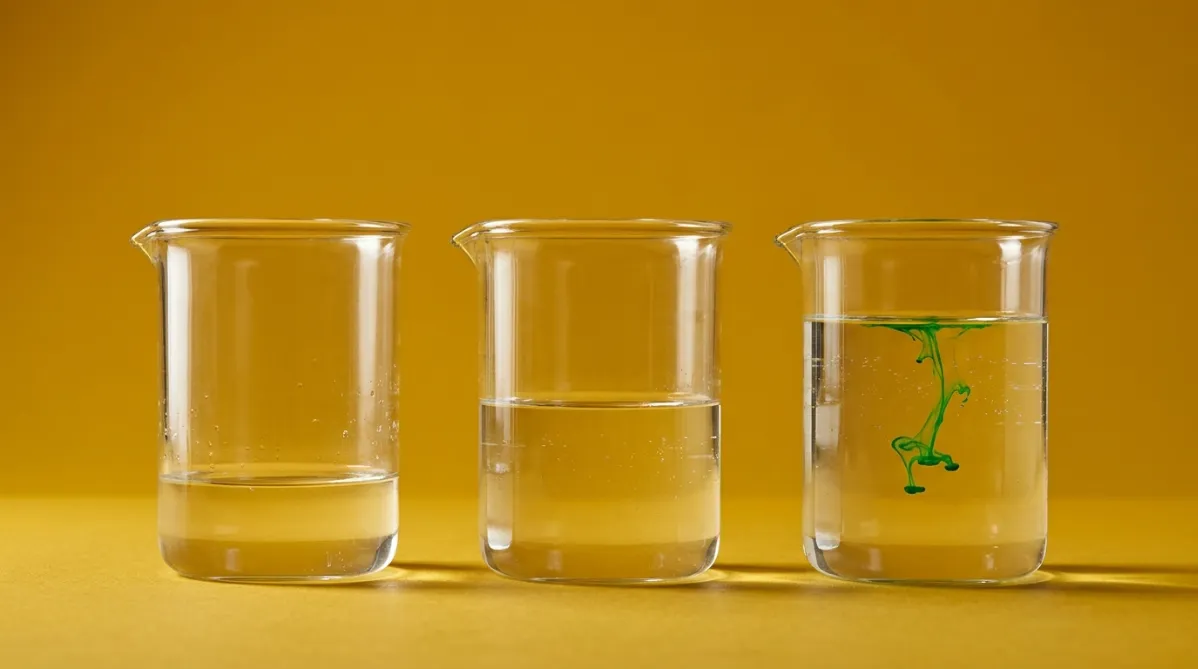
A saturated mustard-yellow backdrop fills the frame. Three clear glass beakers stand in a row on a matte surface, shot at eye level with a slightly low camera angle and a shallow depth of field. Each holds a different level of clear liquid (low, medium, high). The first two look identical and empty-seeming, while the third has a thin thread of vivid green liquid (#00e676) curling through it, a small accent against the yellow. Soft, large-source studio light comes from the left and casts crisp, short shadows onto the surface. Gentle highlights run along the glass rims, and tiny bubbles cling to the inner walls. The mood is quiet, curious and analytical, suggesting that a result shows up only for some. No text, labels or markings are visible.
longevity

Il trial GlyNAC che non ha aumentato il glutatione, tranne che in un sottogruppo

BY HELIX WARD ·

Uno studio randomizzato su 114 persone, in cui è stata testata la combinazione GlyNAC (glicina e N‑acetilcisteina) proposta come potenziatore anti‑invecchiamento del glutatione, non ha aumentato il glutatione negli anziani sani. Le dosi di 2,4, 4,8 e 7,2 g al giorno, con rapporto 1:1, non hanno prodotto effetti sul risultato primario dopo due settimane. Tuttavia, un’analisi post‑hoc su un sottogruppo con alto stress ossidativo e basso glutatione basale ha mostrato un incremento con le dosi medie e alte. Il risultato solleva la domanda su chi, se qualcuno, possa trarre beneficio da GlyNAC. Qui si riassume ciò che il trial ha dimostrato, i suoi limiti e come interpretare il segnale dei responder.

This page is available in