Biocracked
Approach: Conceptual metaphor. Palette: D, bold color field.

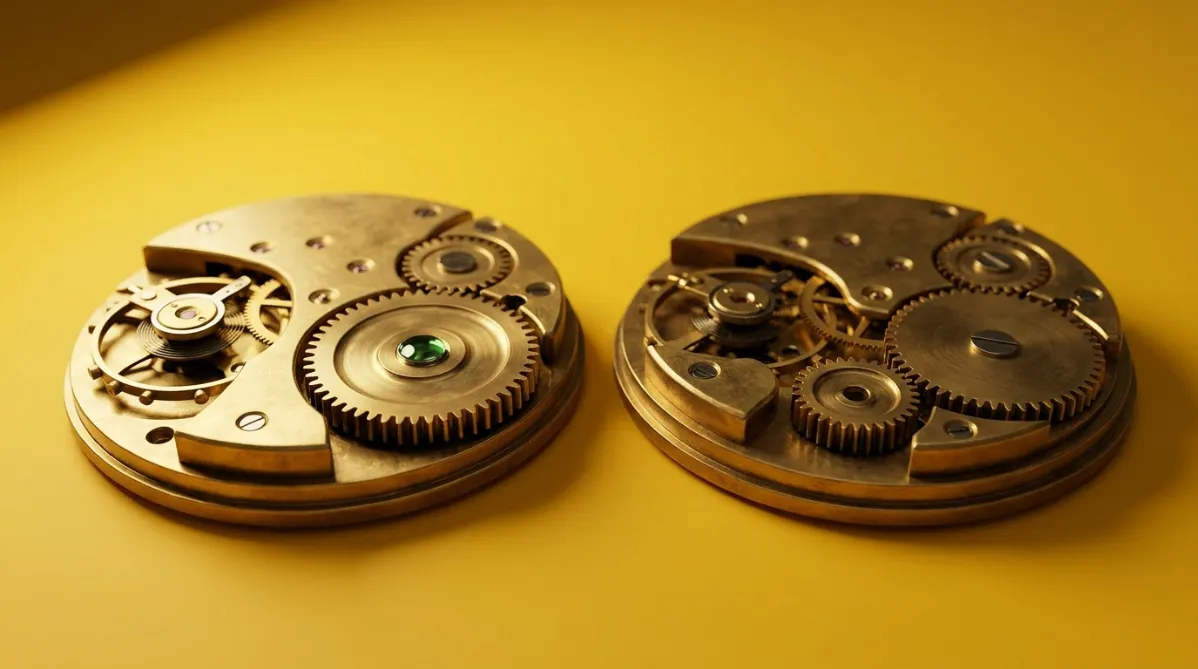
A single pair of matching brass mechanical pocket-watch movements sits side by side on a saturated mustard-yellow seamless backdrop. The left movement is fully engaged, its gears crisp and its main wheel turning with a tiny polished green jewel bearing. The right one has the same parts, but one gear is slightly undersized, leaving a visible gap in the mesh. Shot from a low 30-degree angle with a shallow macro depth of field, so the foreground teeth are razor sharp and the background falls into soft yellow blur. Lighting is a single large softbox from upper left, giving warm specular highlights on the brass and short, clean shadows on the yellow surface. The mood is precise, curious and slightly playful. It suggests one mechanism that runs in two different ways, with no text, no dials and no readable markings.
Longevity

RAD140 ਨੇ ਬੁਜ਼ੁਰਗ ਚੂਹਿਆਂ ਦੇ ਦਿਲ ਦੀ ਕਾਰਗੁਜ਼ਾਰੀ ਵਿੱਚ ਸੁਧਾਰ ਕੀਤਾ, ਪਰ ਪੂਰਾ ਪ੍ਰਭਾਵ ਸਿਰਫ਼ ਮਰਦਾਂ ਵਿੱਚ ਦੇਖਿਆ ਗਿਆ

Dr. Synapse · · 4 min read

A compound that mimics testosterone just improved heart performance in elderly mice. The bigger surprise is that the benefit wasn't equal for males and females, and a single inflammation marker seemed to track with how well male hearts worked. Before anyone starts shopping for research chemicals, here is what the study found and what it doesn't show.

What the researchers actually did

A Dalhousie University team (Heinze, Sapp, Young and Howlett), publishing in Geroscience, studied 23-month-old male and female mice, which are elderly in mouse terms. They gave the animals RAD140, a selective androgen receptor modulator (SARM), at 5 mg/kg/day for 6 weeks.

The team then used echocardiography to measure left ventricular structure and function. They also ran a multiplex assay on serum cytokines (inflammatory signaling molecules) and tested gene expression in the heart.

The rationale is that low testosterone in humans is linked to weaker cardiac function and higher circulating inflammatory markers, and those two problems appear mechanistically connected. SARMs are designed to activate androgen receptors (ARs) and mimic some of testosterone's effects. The open question was whether they change the aging heart, and whether inflammation tracks with any change.

The headline numbers

Compared with untreated controls, RAD140‑treated mice of both sexes showed:

  • Ejection fraction up 10.4%
  • Stroke volume up 9.6 µL
  • Cardiac output up 4.5 mL/min

Those are the pump‑performance measures, and they moved in the right direction in males and females alike.

Where males pulled ahead

The finer measures of how the heart contracts and relaxes told a different story. RAD140‑treated males had better:

  • Myocardial strain (-5.8%), a measure of how effectively heart muscle deforms with each beat
  • Isovolumic relaxation time (-4.7 ms), a measure of how quickly the ventricle relaxes between beats

In females, these effects were lesser or even opposite. The authors conclude that RAD140 may enhance cardiac function in older male mice, but less so in older female mice.

The interleukin‑6 twist

Higher interleukin‑6 (IL‑6), a well‑known inflammatory cytokine, correlated with worse global circumferential strain in males, but not in females. The authors link greater circumferential strain in treated males to lower IL‑6 levels, and they read this as support for the androgen receptor acting as a bridge between cardiac function and inflammation.

This is a correlation within an animal study. The data don't show that RAD140 improved the heart by lowering IL‑6, only that the two moved together in males.

What didn't change

  • No structural differences. Heart structure was the same between groups, so the gains were functional rather than a remodeled heart.
  • No gene expression shifts. The qPCR panel of genes tied to cardiac function and structure showed no differences.
  • Lower AR mRNA. Androgen receptor mRNA was reduced with RAD140 in both sexes, a sign the receptor system adapts to the drug. The paper doesn't establish what that means functionally.

Practical takeaways: dose, timing, who it's for

This is where hype tends to outrun the evidence, so here is the plain version.

Dose: The only dose tested was 5 mg/kg/day in mice. This study provides no human dose, and mouse doses don't convert cleanly into safe or effective human ones.

Timing: The protocol was 6 weeks of daily treatment in very old mice. There is no data here on optimal timing, cycling, or long‑term effects.

Who it's for: Based on this paper, nobody yet. It is a preclinical result. If anything, it suggests that sex could matter a great deal in any future cardiac‑focused SARM research, since benefits looked clearer in males and females showed weaker or opposite responses on some measures.

Safety context: RAD140 is an investigational compound, not an approved therapy, and this study did not assess safety in humans. SARMs sold online are unregulated, and the paper offers no reason to self‑experiment. Anyone with heart concerns or low testosterone should talk to a physician about approved, monitored options.

Why it still matters for longevity

Cardiac decline is a core feature of aging, and inflammation is a leading suspect in why. This study fits a broader geroscience idea: hormone signaling, inflammation and organ function are tangled together, and sex‑specific biology can change how an intervention works. A compound that improves pump function in 23‑month‑old mice without needing structural remodeling is worth following, as long as it is understood for what it is.

Bottom line

  • Evidence level: Animal study in older mice, 6 weeks, one dose.
  • Solid finding: Ejection fraction, stroke volume and cardiac output rose in both sexes.
  • Male‑specific edge: Strain and relaxation improved more in males, and IL‑6 correlated with strain only in males.
  • Limits: No structural or gene expression changes, no causal proof for the IL‑6 link, and no human data.

The finding is promising for understanding androgen signaling and cardiac aging, but it is a starting point for human research rather than a protocol.

Original study

Read the original research on pubmed.ncbi.nlm.nih.gov →

This article summarizes published research for general information. It is not medical advice.

DS

Written by

Dr. Synapse

Dr. Synapse writes for Biocracked: biohacking science, longevity & human performance.

Related Articles

Approach: Macro science. Palette: D, bold color field.

An extreme close-up microscopy-style photograph of a single giant megakaryocyte cell, a large lumpy, lobed cell with a textured, slightly translucent surface, budding off dozens of tiny, smooth, disc-shaped platelets that drift away on fine stringy extensions. The cell and platelets are a warm pearly ivory with subtle coral-pink internal granules and a few small electric green (#00e676) fluorescent specks inside, suggesting recycling vesicles. The backdrop is a saturated, even tomato-red to deep orange color field with a soft gradient. Shot from slightly above at a three-quarter angle, with shallow depth of field so the nearest platelets are crisp and the distant ones melt into soft blur. Lighting is clean, diffuse and glowing from behind, giving gentle rim highlights. Mood: curious, precise, quietly cautionary. No text.
longevity

CoQ10 ਨੇ ਉਮਰਦਾਰ ਚੂਹਿਆਂ ਵਿੱਚ ‘ਪੁਰਾਣੀਆਂ’ ਪਲੇਟਲੇਟਾਂ ਨੂੰ ਸ਼ਾਂਤ ਕੀਤਾ — ਇੱਥੇ ਹੈ ਗੱਲ

BY NOVA CHEN ·

ਨਵੀਂ *Aging Cell* ਅਧਿਐਨ ਦਿਖਾਉਂਦੀ ਹੈ ਕਿ CoQ10 ਨੇ ਚੂਹਿਆਂ ਵਿੱਚ ਉਮਰਦਾਰ ਮੇਗਾਕੈਰਿਕੋਇਟਸ (ਹੱਡੀ ਦੇ ਗੁੱਧੀ ਦੀਆਂ ਉਹ ਕੋਸ਼ਿਕਾਵਾਂ ਜੋ ਪਲੇਟਲੇਟ ਬਣਾਉਂਦੀਆਂ ਹਨ) ਦੀ ਕਾਰਗੁਜ਼ਾਰੀ ਵਿੱਚ ਸੁਧਾਰ ਕੀਤਾ। ਇਲਾਜ ਕੀਤੇ جانਵਰਾਂ ਵਿੱਚ ਪਲੇਟਲੇਟ ਇਕੱਠੇ ਹੋਣ ਅਤੇ ਸਰਗਰਮ ਹੋਣ ਦੀ ਦਰ ਘੱਟ ਰਹੀ, ਪਰ ਪਲੇਟਲੇਟ ਗਿਣਤੀ ਵਿੱਚ ਕੋਈ ਤਬਦੀਲੀ ਨਹੀਂ ਆਈ। ਇਹ ਪ੍ਰਭਾਵ ਹਿੱਸੇਦਾਰ COPS3 ਅਤੇ ਆਟੋਫੈਗੀ ਦੇ ਰਾਹੀਂ ਲੱਗਦਾ ਹੈ, ਪਰ ਹੁਣ ਤੱਕ ਮਨੁੱਖੀ ਡਾਟਾ ਜਾਂ ਥੱਕੀ‑ਰੋਕਥਾਮ ਦੀ ਕੋਈ ਸਬੂਤ ਨਹੀਂ।

Approach: Lab in action. Palette: B, warm.

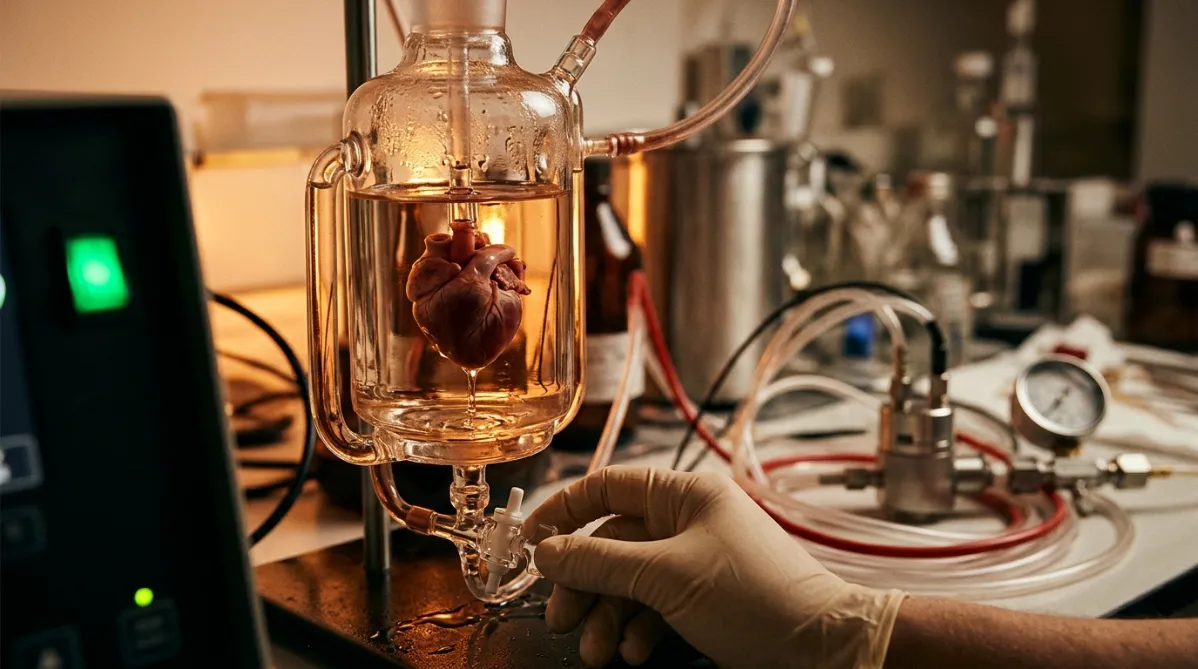
Close, slightly high three-quarter angle on an isolated rat heart suspended in a Langendorff perfusion rig, the small dark-red heart held by its aorta on a glass cannula inside a warm-jacketed glass chamber. Clear perfusion fluid drips from the heart and beads on the glass. A gloved hand in the soft-focus foreground adjusts a stopcock. Amber, honey-colored light from a low side lamp rakes across the curved glass, producing copper highlights and warm brown shadows. Behind it, a blurred bench holds tubing and a small pressure transducer. A thin electric green (#00e676) indicator light glows on the instrument at the edge of the frame. Mood: quiet, focused, cautiously hopeful, with real laboratory texture and shallow depth of field. No text or labels.
longevity

ਦੋ ਪ੍ਰਸਿੱਧ ਸਪਲੀਮੈਂਟਾਂ ਨੇ ਵਧੇਰੇ ਉਮਰ ਵਾਲੇ ਚੂਹਿਆਂ ਦੇ ਦਿਲਾਂ ਨੂੰ ਬਚਾਇਆ – ਹਕੀਕਤ ਕੀ ਹੈ

BY DR. SYNAPSE ·

ਇੱਕ ਨਵੀਂ ਚੂਹਾ ਅਧਿਐਨ ਨੇ ਦਰਸਾਇਆ ਕਿ NMN ਨੂੰ ਮੇਲਾਟੋਨਿਨ ਨਾਲ ਜੋੜਨ ਨਾਲ ਬੁੱਢੇ ਦਿਲਾਂ ਨੂੰ ਹਾਰਟ‑ਅਟੈਕ‑ਜਿਹੀ ਚੋਟ ਤੋਂ ਇਕੱਲੀ ਦਵਾਈ ਨਾਲੋਂ ਵਧੀਆ ਠੀਕ ਕੀਤਾ ਜਾ ਸਕਦਾ ਹੈ। ਇਲਾਜ ਕੀਤੇ ਦਿਲਾਂ ਵਿੱਚ ਕੋਰੋਨਰੀ ਫ਼ਲੋ ਅਤੇ ਦਬਾਅ ਦੀ ਪੁਨਰਸਥਾਪਨਾ ਸੁਧਰੀ, ਕ੍ਰੀਐਟਿਨ ਕੀਨੇਜ਼ ਅਤੇ ਸੋਜ ਦੇ ਨਿਸ਼ਾਨਿਆਂ ਵਿੱਚ ਕਮੀ ਦੇਖੀ ਗਈ। ਪਰ ਇਹ ਨਤੀਜੇ ਚੂਹਿਆਂ ਦੇ ਦਿਲਾਂ ‘ਤੇ ex‑vivo ਤਰੀਕੇ ਨਾਲ ਲਾਗੂ ਕੀਤੇ ਗਏ ਹਨ, ਜਿਸ ਕਰਕੇ ਮਨੁੱਖੀ ਲਾਭ ਬਾਰੇ ਕੋਈ ਦਾਅਵਾ ਨਹੀਂ ਕੀਤਾ ਜਾ ਸਕਦਾ। ਇੱਥੇ ਪਤਾ ਲਗਦਾ ਹੈ ਕਿ ਖੋਜਕਾਰਾਂ ਨੇ ਕੀ ਕੀਤਾ, ਕੀ ਲੱਭਿਆ ਅਤੇ ਕਿਉਂ ਇਹ ਸਿਰਫ਼ ਪਹਿਲਾ ਕਦਮ ਹੈ।

Approach: Conceptual metaphor, in a bold color field palette (D).

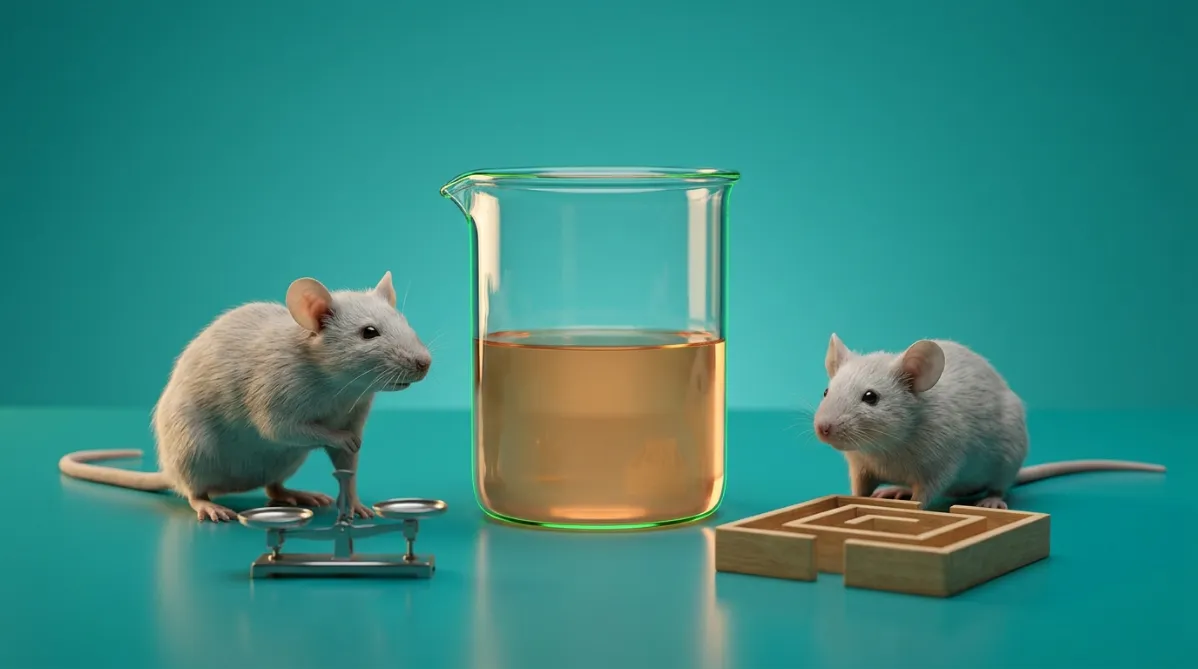
A single glass beaker half-filled with a clear, faintly amber ketone drink sits on a glossy saturated teal surface against a matching teal backdrop. Two small, realistic grey-white laboratory mice, one slightly larger and leaner, one smaller and alert, perch on either side of the beaker. In front of the female mouse is a tiny wooden maze of simple straight walls, and in front of the male is a small steel scale. The camera is at a low three-quarter angle, 85mm lens, shallow depth of field, with the beaker sharp. Soft, large-source studio light from the upper left throws gentle warm shadows, and the amber liquid glows with a thin rim of electric green light along the glass edge. Mood: curious, precise, quietly optimistic. No text.
longevity

ਕੇਟੋਨ ਡ੍ਰਿੰਕ ਨੇ ਵੱਡੀਆਂ ਮਾਦਾ ਚੂਹੀਆਂ ਦੀ ਯਾਦਦਾਸ਼ਤ ਸੁਧਾਰ ਦਿੱਤੀ, ਮਰਦਾਂ ਦੀ ਚਰਬੀ ਘੱਟੀ

BY NOVA CHEN ·

ਪੁਰਾਣੀ ਉਮਰ ਦੀਆਂ ਚੂਹੀਆਂ ਨੂੰ ਕੇਟੋਨ ਐਸਟਰ ਵਾਲੀ ਡਾਇਟ ਦਿੱਤੀ ਗਈ, ਜਿਸਦੇ ਨਤੀਜੇ ਲਿੰਗ ਅਨੁਸਾਰ ਕਾਫ਼ੀ ਵੱਖਰੇ ਸਨ। ਮਰਦ ਚੂਹੀਆਂ ਦੀ ਸ਼ਰੀਰਕ ਚਰਬੀ ਘੱਟੀ ਅਤੇ ਲੀਨ ਮਾਸ ਵਧਿਆ, ਜਦਕਿ ਮਾਦਾ ਚੂਹੀਆਂ ਦੀ ਯਾਦਦਾਸ਼ਤ ਵਿੱਚ ਗਲਤੀਆਂ ਘੱਟੀਆਂ ਅਤੇ ਹਿਪੋਕੈਂਪਲ ਵਿੱਚ IL-1β ਦੀ ਪੱਧਰ ਘੱਟ ਰਹੀ। ਦੋਹਾਂ ਲਿੰਗਾਂ ਵਿੱਚ ਖਾਣ ਤੋਂ ਬਾਅਦ β‑ਹਾਈਡਰੋਕਸੀਬਿਊਟਿਰੇਟ ਵੱਧਿਆ ਅਤੇ ਗਲੂਕੋਜ਼ ਘੱਟਿਆ। ਪਰ ਇਹ ਅਧਿਐਨ ਕੇਵਲ ਉਮਰਦਾਰ ਚੂਹੀਆਂ ’ਤੇ ਕੀਤਾ ਗਿਆ ਹੈ, ਇਸ ਲਈ ਮਨੁੱਖਾਂ ‘ਤੇ ਇਸਦੇ ਪ੍ਰਭਾਵ ਦੀ ਹੁਣ ਤੱਕ ਪੁਸ਼ਟੀ ਨਹੀਂ। ਹੇਠਾਂ ਅਸੀਂ ਅਧਿਐਨ ਦੇ ਮੁੱਖ ਨਤੀਜੇ, ਕੇਟੋਨ ਮੋਨੋਐਸਟਰ ਦੀ ਵਿਵਰਣਾ ਅਤੇ ਇਸ ਬਾਰੇ ਸੋਚਣ ਵਾਲੇ ਲੋਕਾਂ ਲਈ ਸਲਾਹਾਂ ਦਿੱਤੀਆਂ ਹਨ।

Approach 4, conceptual metaphor, with palette D, bold color field.

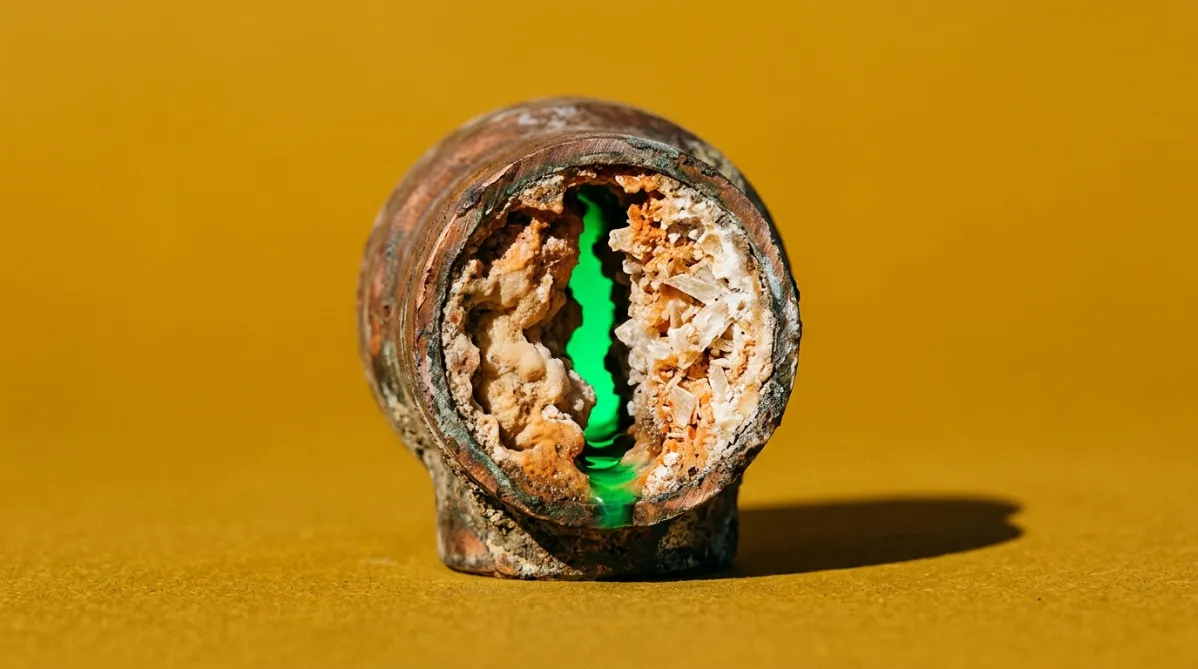
A single cross-section of a rusted, mineral-crusted copper pipe stands upright at center, shot from a slightly low three-quarter angle with a shallow depth of field. Its inner wall is thickly lined with chalky white-orange scale that narrows the bore to a small opening. One side of the buildup is hard and crystalline, while the other side is softer and still forming. A thin, clean ribbon of electric green liquid (#00e676) runs through the remaining channel, a subtle accent. The backdrop is a seamless saturated mustard-yellow field. Hard, directional studio light from upper left casts a crisp, short shadow to the right. Textures are tactile and macro-sharp, with visible grit and flaking. The mood is calm, analytical and slightly cautionary.
supplements

2 ਸਾਲਾਂ ਲਈ ਧਮਨੀ ਕੈਲਸੀਫਿਕੇਸ਼ਨ ਨੂੰ ਧੀਮਾ ਕਰਨ ਵਾਲੀ ਵਿਟਾਮਿਨ

BY NOVA CHEN ·

JAMA Cardiology ਵਿੱਚ ਇੱਕ ਦੋ‑ਸਾਲਾ ਰੈਂਡਮਾਈਜ਼ਡ ਟਰਾਇਲ ਨੇ ਦਰਸਾਇਆ ਕਿ ਦਿਨ ਵਿੱਚ 360 µg ਵਿਟਾਮਿਨ K2 (MK‑7) ਲੈਣ ਨਾਲ ਲੱਛਣਤਮਕ ਹਿਰਦੇ ਦੀ ਬਿਮਾਰੀ ਵਾਲਿਆਂ ਵਿੱਚ ਕੋਰੋਨਰੀ ਕੈਲਸ਼ੀਅਮ ਦੀ ਇਕੱਠੀ ਹੋਣ ਦੀ ਦਰ ਧੀਮੀ ਹੋ ਗਈ। MK‑7 ਗਰੁੱਪ ਵਿੱਚ ਮੀਡੀਅਨ CAC ਸਕੋਰ 135 AU ਤੋਂ 184 AU ਤੱਕ ਵਧਿਆ, ਜਦਕਿ ਪਲੇਸਿਬੋ ਵਿੱਚ 145 AU ਤੋਂ 214 AU ਤੱਕ। ਪ੍ਰਭਾਵ ਗੈਰ‑ਕੈਲਸੀਫਾਇਡ ਪਲੈਕਾਂ ਦੀ ਹਿੱਸੇਵਾਰ ਕੈਲਸੀਫਿਕੇਸ਼ਨ ਨਾਲ ਸੀ, ਅਤੇ ਕੋਈ ਮਹੱਤਵਪੂਰਨ ਅਪ੍ਰਿਆਸ ਪ੍ਰਭਾਵ ਨਹੀਂ ਮਿਲਿਆ। ਹਾਲਾਂਕਿ ਅਜੇ ਤੱਕ ਇਹ ਪੁਸ਼ਟੀ ਨਹੀਂ ਹੋਈ ਕਿ ਇਸ ਨਾਲ ਹਾਰਟ ਐਟੈਕ ਦੀ ਘਟਤੀ ਹੁੰਦੀ ਹੈ, ਅਤੇ ਇੱਕ ਲੇਖਕ ਨੇ MK‑7 ਨਿਰਮਾਤਾ ਤੋਂ ਗ੍ਰਾਂਟਸ ਦੀ ਘੋਸ਼ਣਾ ਕੀਤੀ।

This page is available in