Biocracked
A wide, editorial-style still life photographed from slightly above on a pale warm-gray stone surface, lit by soft diffused morning light from the left. At the center, a delicate chain of 16 small, glossy beads in alternating muted terracotta, sage green, and cream is arranged in a gentle S-curve, each bead slightly different in size, like a hand-strung necklace. It stands for a peptide chain in a tactile, abstract way. Beside the chain, a translucent glass petri dish holds a thin layer of pale amber liquid with a few soft ripples. Behind it, a cross-section of a ripe fig and a halved blood orange show their intricate internal textures, suggesting cellular structure and mitochondria without literal illustration.

On the left side of the frame, a small ceramic mouse figurine in matte off-white sits calmly next to a sprig of dried wheat. It is a subtle nod to the mouse study and is stylized and minimal, not cartoonish. On the right, an open, softly blurred notebook with thin hand-drawn circles and curved lines, like looping pathway diagrams, lies under a brass pen. A few pages are visible but the text is illegible.

Scatter a few elements for texture: a small sprig of eucalyptus, a folded linen napkin in oatmeal tone, and a single clear glass pipette resting diagonally across the lower foreground. The palette is warm neutrals with accents of sage, terracotta, and soft amber, giving a calm, modern wellness-journal look. Shallow depth of field keeps the bead chain crisp while the background gently dissolves into creamy bokeh. Generous negative space across the upper right leaves room for headline overlay. The overall mood is clean, contemporary, and intellectually curious: scientific but warm, like a premium health and science magazine cover, with fine grain, natural shadows, and no text, logos, or futuristic elements.
Peptides

MOTS‑c ਦੀ ਵਿਆਖਿਆ: 16‑ਅਮੀਨੋ‑ਐਸਿਡ ਮਾਈਟੋਕੌਂਡਰੀਅਲ ਪੈਪਟਾਈਡ ਜੋ AMPK ਨੂੰ ਸਰਗਰਮ ਕਰਦਾ ਹੈ ਅਤੇ ਚੂਹਿਆਂ ਨੂੰ ਡਾਇਟ‑ਪ੍ਰੇਰਿਤ ਮੋਟਾਪੇ ਤੋਂ ਬਚਾਉਂਦਾ ਹੈ

Dr. Synapse · · 5 min read

MOTS‑c ਦੀ ਵਿਆਖਿਆ: 16‑ਅਮੀਨੋ‑ਐਸਿਡ ਮਾਈਟੋਕੌਂਡਰੀਅਲ ਪੈਪਟਾਈਡ ਜੋ AMPK ਨੂੰ ਸਰਗਰਮ ਕਰਦਾ ਹੈ ਅਤੇ ਚੂਹਿਆਂ ਨੂੰ ਡਾਇਟ‑ਪ੍ਰੇਰਿਤ ਮੋਟਾਪੇ ਤੋਂ ਬਚਾਉਂਦਾ ਹੈ

ਸੰਖੇਪ

ਮਾਈਟੋਕੌਂਡਰੀਆਈ DNA ਵਿੱਚ ਕੋਡ ਹੋਇਆ 16‑ਅਮੀਨੋ‑ਐਸਿਡ ਵਾਲਾ ਛੋਟਾ ਪੈਪਟਾਈਡ, ਜੋ ਨਿਊਕਲਿਅਸ ਵਿੱਚ ਨਹੀਂ, ਪੇਸ਼ੀ ਵਿੱਚ AMPK ਨੂੰ ਸਰਗਰਮ ਕਰਦਾ ਹੈ ਅਤੇ ਚੂਹਿਆਂ ਨੂੰ ਡਾਇਟ‑ਪ੍ਰੇਰਿਤ ਮੋਟਾਪੇ ਅਤੇ ਇਨਸੁਲਿਨ ਰੋਧ ਤੋਂ ਬਚਾਉਂਦਾ ਹੈ। 2015 ਦੀ Cell Metabolism ਅਧਿਐਨ ਨੇ ਇਸ ਨੂੰ ਪਹਿਲੀ ਵਾਰ ਦਰਸਾਇਆ। MOTS‑c ਹੁਣ ਪੈਪਟਾਈਡ ਅਤੇ ਬਾਇਓਹੈਕਿੰਗ ਕਮਿਊਨਿਟੀ ਵਿੱਚ ਸਭ ਤੋਂ ਚਰਚਿਤ ਨਾਂਵਾਂ ਵਿੱਚੋਂ ਇੱਕ ਬਣ ਗਿਆ ਹੈ। ਪਰ ਇਹ ਸਿਰਫ਼ ਚੂਹਾ‑ਅਧਿਐਨ ਅਤੇ ਮੌਲੀਕੂਲਰ‑ਖੋਜ ਪੇਪਰ ਹੈ; ਮਨੁੱਖਾਂ ‘ਤੇ ਕੋਈ ਡਾਟਾ ਨਹੀਂ, ਤੇ MOTS‑c ਕਿਸੇ ਮਨਜ਼ੂਰਸ਼ੁਦਾ ਥੈਰੇਪੀ ਨਹੀਂ। ਇਸ ਲੇਖ ‘ਚ ਅਸੀਂ ਵੇਖਾਂਗੇ ਕਿ MOTS‑c ਕੀ ਹੈ, ਇਸਦੀ ਫੋਲੈਟ ਚੱਕਰ ਅਤੇ AMPK ਰਾਹੀਂ ਕਿਵੇਂ ਕੰਮ ਕਰਦਾ ਲੱਗਦਾ ਹੈ, ਚੂਹਿਆਂ ਵਿੱਚ ਕੀ ਨਤੀਜੇ ਮਿਲੇ, ਅਤੇ ਪਾਠਕਾਂ ਨੂੰ ਕਿਹੜੀਆਂ ਗੱਲਾਂ ‘ਤੇ ਧਿਆਨ ਦੇਣਾ ਚਾਹੀਦਾ ਹੈ।


A peptide only 16 amino acids long, encoded in the DNA of your mitochondria rather than your nucleus, switched on a master metabolic regulator in muscle and protected mice from diet‑induced obesity and insulin resistance. That is the headline finding of a 2015 Cell Metabolism paper, and it is why MOTS‑c remains one of the most searched names in peptide and biohacking circles.

The details matter, though. This was a mouse and molecular‑discovery study. It was not a human trial, and MOTS‑c is not an approved therapy. What the paper offers is a strong biological idea, not a protocol.

What Is MOTS‑c?

MOTS‑c stands for mitochondrial open reading frame of the 12S rRNA‑c. Mitochondria carry their own small genome, and for decades it was thought to encode only a limited set of proteins for the respiratory chain, plus the RNAs needed to make them. The authors, led by Changhan Lee and colleagues, built on an earlier finding: a short open reading frame (sORF) in mtDNA encodes a signaling peptide called humanin. If one hidden sORF could produce a bioactive peptide, others might exist.

They found one inside the mitochondrial 12S rRNA gene. It encodes a 16‑amino‑acid peptide, MOTS‑c, which is translated in the cytoplasm using the standard genetic code. The study's central conceptual claim is that mitochondria may do more than make energy. They may actively regulate metabolism at the cellular and whole‑body level by sending out peptides encoded in their own genome.

The Mechanism: Muscle, Folate, and AMPK

The authors report that skeletal muscle appears to be MOTS‑c's primary target organ. Muscle is the body's largest site of insulin‑stimulated glucose disposal, so a signal that acts there could plausibly affect whole‑body insulin sensitivity.

At the cellular level, the proposed chain of events runs as follows:

  1. MOTS‑c inhibits the folate cycle. This pathway supplies one‑carbon units for many biosynthetic reactions.
  2. De novo purine biosynthesis is disrupted. This pathway is tethered to the folate cycle.
  3. AMPK is activated. Interrupting purine synthesis leads to a buildup of an intermediate (AICAR) that activates AMP‑activated protein kinase, a central energy sensor.

AMPK is often described as a cellular fuel gauge. When it is active, cells tend to take up more glucose, burn more fat, and dial back energy‑consuming anabolic processes. It is also the pathway targeted by some well‑known metabolic interventions, which helps explain why a peptide that engages AMPK has drawn so much attention. The abstract describes the link as a cellular action of MOTS‑c and presents the pathway as a mechanism, not a finished clinical explanation.

The Mouse Results

The abstract reports that MOTS‑c treatment in mice:

  • Prevented age‑dependent insulin resistance
  • Prevented high‑fat‑diet‑induced insulin resistance
  • Prevented diet‑induced obesity

Overall, the treatment improved metabolic homeostasis. Note the word prevented. In these experiments the peptide was positioned as protective against metabolic decline under dietary and age‑related stress. The abstract does not frame it as a treatment that reverses established disease in people, or as a weight‑loss tool.

The study's design combined peptide discovery, cell‑based mechanistic work, and mouse pharmacology. That combination is why the paper is influential. It links a new class of molecule, a mitochondrial‑derived peptide, to a recognizable metabolic pathway and to physiological outcomes in a living animal.

What This Study Is Not

Peptide marketing often borrows the credibility of papers like this one, so it is worth being direct about what the evidence does not show.

  • It is not a human trial. No human participants received MOTS‑c in this paper, and no human clinical outcomes were measured.
  • It does not establish a human dose. Mouse dosing and delivery do not translate directly to people.
  • It does not establish safety. Long‑term safety, side effects, immune responses, and drug interactions in humans were not addressed.
  • It does not establish efficacy in people. Mice fed a high‑fat diet are a useful model but an imperfect proxy for human obesity and type 2 diabetes. Many promising mouse findings fail to reproduce in clinical trials.
  • It does not make MOTS‑c an approved therapy. Interest in it as a research peptide is high, but that is not regulatory validation. Anything sold for self‑administration outside a clinical or regulated research context carries uncertainties about purity, identity, and dosing.
  • It does not prove the full mechanism. The folate‑cycle and AMPK pathway is an important proposed mechanism, and the broader biology has been refined by later research.

Why It Still Matters for Drug Delivery and Metabolic Research

Peptides are attractive drug candidates because they can be highly specific, but they also face familiar hurdles. They are often degraded quickly, have short half‑lives, and may need injection or sophisticated formulation. A 16‑amino‑acid sequence is small enough to be synthesized and modified, which makes MOTS‑c a plausible subject for stability and delivery engineering. Any serious translational effort would need to answer questions about pharmacokinetics, tissue targeting (especially to muscle), and dosing in humans, and this paper does not answer them.

The bigger contribution is conceptual. If mtDNA encodes more signaling peptides than previously recognized, there may be a whole layer of mitochondria‑to‑body communication that researchers are only starting to map.

Takeaways for Readers Following Peptide Research

  1. Treat this as foundational discovery science. The paper identifies a peptide and a plausible pathway. It does not provide a usage guide.
  2. Separate mechanism from outcome. AMPK activation in muscle is a compelling mechanism, but only controlled human trials can show whether it produces meaningful clinical benefit.
  3. Be skeptical of extrapolation. Claims about fat loss, longevity, or performance in humans go beyond what this study tested.
  4. Watch for human data. The most useful next signals will be well‑designed, peer‑reviewed human studies reporting dose, safety, and metabolic endpoints.
  5. Talk to a clinician. If you have insulin resistance, obesity, or diabetes, evidence‑based treatments exist, and unregulated peptides are not a substitute.

MOTS‑c ਇੱਕ ਵਾਸਤਵਿਕ ਅਤੇ ਦਿਲਚਸਪ ਮਾਈਟੋਕੌਂਡਰੀ ਬਾਇਓਲੋਜੀ ਦਾ ਟੁੱਕੜਾ ਹੈ। 2015 ਦੇ ਪੇਪਰ ਨੇ ਇਸ ਖੋਜ ਖੇਤਰ ਦੀ ਸ਼ੁਰੂਆਤ ਕੀਤੀ, ਪਰ ਚੂਹੇ ਦੀ ਪੇਸ਼ੀ ਤੋਂ ਮਨੁੱਖੀ ਥੈਰੇਪੀ ਤੱਕ ਦੀ ਰਾਹ ਹਾਲੇ ਪੱਕੀ ਨਹੀਂ ਹੋਈ।
Original study

Read the original research on pubmed.ncbi.nlm.nih.gov →

This article summarizes published research for general information. It is not medical advice.

DS

Written by

Dr. Synapse

Dr. Synapse writes for Biocracked: biohacking science, longevity & human performance.

Related Articles

Approach: Macro science. Palette: B, warm.

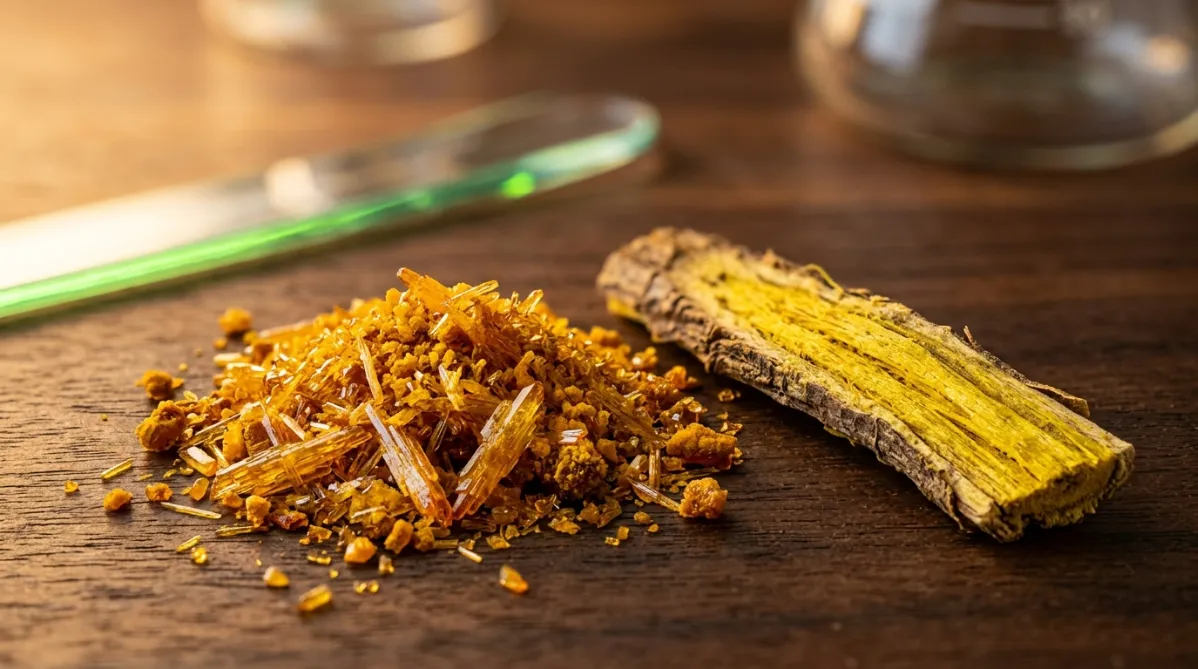
Extreme macro photograph of raw berberine: a small heap of vivid yellow-orange crystalline powder with needle-like crystal clusters, shot at a low 30-degree angle with a shallow depth of field. Beside it, a dry sliver of Berberis root bark shows its bright yellow inner wood and fibrous grain. The surface is a smooth dark walnut board. Low golden-hour side light from the left makes the crystals glint like amber glass and throws long warm copper shadows across the wood. One tiny electric green highlight reflects off a glass spatula edge in the soft background blur. The mood is quiet and investigative, with rich saturated honey and burnt-orange tones and no blue cast. Photorealistic, microscopy-like texture, no text or labels.
metabolism

Berberine ਵਿ. Metformin: HbA1c 9.5% ਤੋਂ 7.5% ਤੱਕ ਘਟਿਆ ਪਾਇਲਟ ਟ੍ਰਾਇਲ

BY HELIX WARD ·

2008 ਦੀ ਇੱਕ ਛੋਟੀ ਪਾਇਲਟ ਟ੍ਰਾਇਲ ਵਿੱਚ ਨਵੇਂ ਤਸ਼ਖੀਸ ਕੀਤੇ ਟਾਈਪ‑2 ਡਾਇਬੀਟੀਜ਼ ਮਰੀਜ਼ਾਂ 'ਚ ਬਰਬਰਿਨ ਨੂੰ ਮੈਟਫੋਰਨ ਨਾਲ ਤੁਲਨਾ ਕੀਤੀ ਗਈ, ਜਿਸ ਵਿੱਚ ਗਲੂਕੋਜ਼ ਘਟਾਉਣ ਵਾਲਾ ਪ੍ਰਭਾਵ ਲਗਭਗ ਇੱਕੋ ਜਿਹਾ ਦਿੱਤਾ ਗਿਆ। ਬਰਬਰਿਨ ਗਰੁੱਪ ਵਿੱਚ HbA1c ਤਿੰਨ ਮਹੀਨਿਆਂ ਵਿੱਚ 9.5% ਤੋਂ 7.5% ਤੱਕ ਘਟੀ। ਦੂਜੇ ਟ੍ਰਾਇਲ ਵਿੱਚ, ਜੋ ਪਹਿਲਾਂ ਤੋਂ ਇਲਾਜ ਲੈ ਰਹੇ 48 ਲੋਕਾਂ 'ਤੇ ਕੀਤੀ ਗਈ, HbA1c 8.1% ਤੋਂ 7.3% ਹੋਇਆ ਅਤੇ HOMA‑IR 44.7% ਘਟਿਆ। ਪਰ ਇਹ ਛੋਟੀਆਂ ਅਧਿਐਨ ਹਨ, ਅਤੇ ਲਗਭਗ ਇੱਕ-ਤੀਹੀ ਭਾਗੀਦਾਰਾਂ ਨੂੰ ਪਚਨ ਸਾਈਡ‑ਇਫੈਕਟ ਹੋਇਆ। ਇਸ ਲੇਖ ਵਿੱਚ ਅਸੀਂ ਡਾਟਾ ਦੀਆਂ ਮੁੱਖ ਗੱਲਾਂ, ਘਾਟਾਂ, ਅਤੇ ਬਰਬਰਿਨ ਬਾਰੇ ਸੋਚਣ ਤੋਂ ਪਹਿਲਾਂ ਕੀ ਜਾਣਨਾ ਲਾਜ਼ਮੀ ਹੈ, ਦੀ ਵਿਆਖਿਆ ਕਰਦੇ ਹਾਂ।

Approach: Macro science. Palette: D, bold color field.

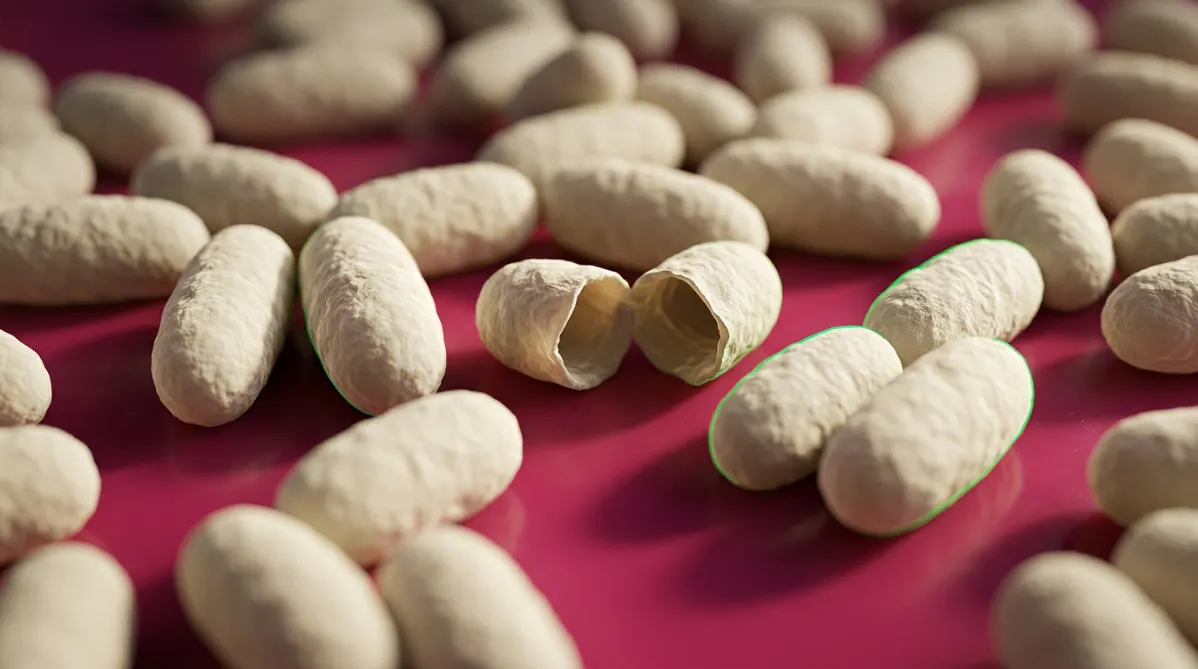
Extreme close-up microscopy-style photograph of a dense cluster of oval, rod-shaped bacterial cells, rendered as slightly wrinkled, matte, pale cream-white forms with visible surface texture. They rest on a smooth, saturated magenta-pink gel surface. Several cells in the foreground are crisp, while the rest fall into soft shallow depth of field. One cell near the center is split open and visibly hollow, to suggest a dead, heat-treated organism. Camera is a low three-quarter angle, as if through a scanning microscope. Lighting is a single hard, warm-white side light that casts short crisp shadows and creates bright rim highlights. A thin electric green (#00e676) line of reflected light traces the edge of one cell. The mood is stark, curious and quietly skeptical. There is no text and no labels.
metabolism

ਮਰਨ ਉਪਰਾਂਤ ਵਧੀਆ ਕੰਮ ਕਰਨ ਵਾਲੀ ਗੱਟ ਬੈਕਟੀਰੀਆ: ਅੱਕਰਮਾਂਸੀਆ ਦਾ 29% ਲਾਭ

BY HELIX WARD ·

ਅੱਕਰਮਾਂਸੀਆ ਮਿਊਸੀਨੀਫੀਲਾ ਦੀ ਪਹਿਲੀ ਮਨੁੱਖੀ ਟਰਾਇਲ ਵਿੱਚ, ਪਾਸਚਰਾਈਜ਼ (ਤਪਤ‑ਮਾਰਿਆ) ਰੂਪ ਨੇ ਜੀਵਤ ਰੂਪ ਨਾਲੋਂ ਚੰਗੇ ਨਤੀਜੇ ਦਿਖਾਏ। ਇੰਸੁਲਿਨ ਸੰਵੇਦਨਸ਼ੀਲਤਾ 28.62 % ਵਧੀ ਅਤੇ ਸਰਕੂਲੇਟਿੰਗ ਇੰਸੁਲਿਨ 34.08 % ਘਟਿਆ, ਜਦਕਿ ਵਜ਼ਨ ਜਾਂ ਚਰਬੀ ਵਿੱਚ ਬਦਲਾਅ ਸਾਂਖਿਕ ਤੌਰ ‘ਤੇ ਮਹੱਤਵਪੂਰਨ ਨਹੀਂ ਸਨ। ਲੇਖਕਾਂ ਨੇ ਪੈਟੈਂਟ ਅਤੇ ਕੰਪਨੀ ਵੀ ਬਣਾਈ ਹੈ ਜੋ ਇਹ ਬੈਕਟੀਰੀਆ ਵੇਚਦੀ ਹੈ। ਇੱਥੇ ਅਧਿਐਨ ਦੇ ਨਤੀਜੇ, ਸੀਮਾਵਾਂ ਅਤੇ ਸਪਲੀਮੈਂਟ ਖਰੀਦਣ ਤੋਂ ਪਹਿਲਾਂ ਧਿਆਨ ਦੇਣ ਵਾਲੀਆਂ ਗੱਲਾਂ ਦੀ ਵਿਸਥਾਰਪੂਰਨ ਚਰਚਾ ਹੈ।

Approach: macro science with a conceptual twist. Palette: bold color field.

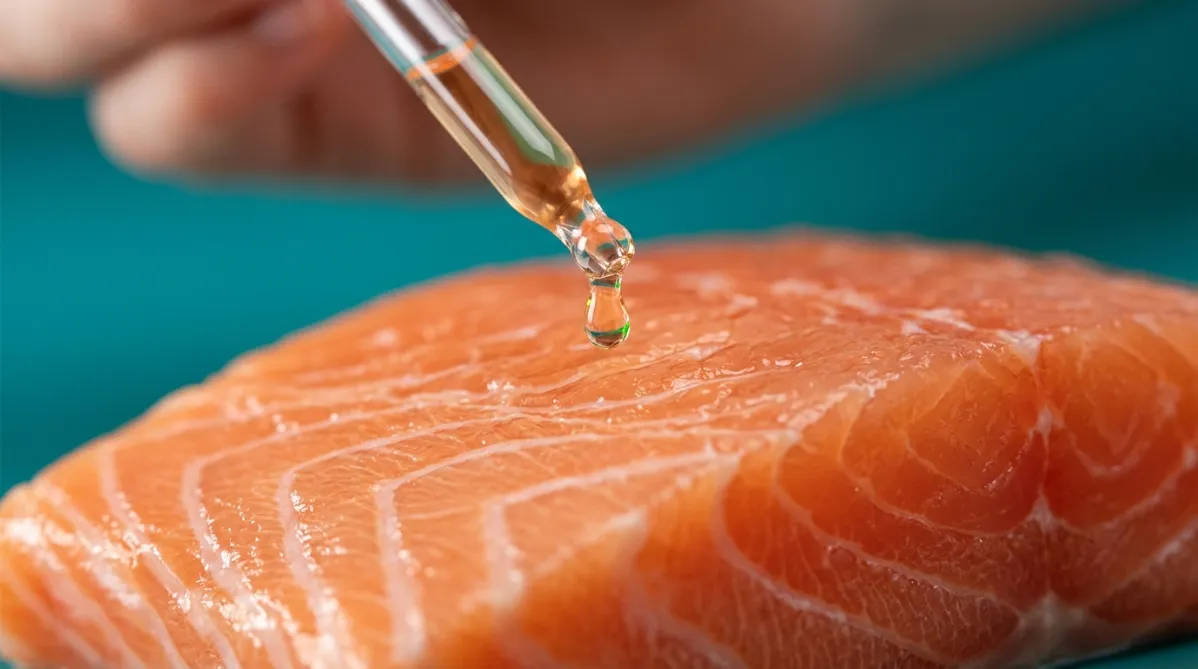
Extreme close-up, slightly high three-quarter angle, of a raw salmon fillet's translucent coral flesh, with a glass pipette releasing a single droplet of pale amber peptide solution onto the muscle fibers. Glistening myotome layers and fine white connective lines are sharp in the foreground, with shallow depth of field melting the rest. The salmon sits on a saturated teal backdrop, so the orange-pink flesh contrasts strongly with it. Soft, large-source studio light from upper left gives crisp specular highlights on the droplet and moist fibers, with gentle neutral shadows. A tiny electric green reflection glints inside the droplet. The mood is precise, fresh and curious, like a food-science lab photograph. Photorealistic, with no text.
peptides

ਸੈਲਮਨ ਪੈਪਟਾਈਡਸ ਵਿਰੁੱਧ ਵ੍ਹੇ: 8 ਹਫ਼ਤਿਆਂ ਵਿੱਚ 13% ਫੈਰਿਟਿਨ ਵਾਧਾ (14-ਵਿਅਕਤੀ ਪਾਇਲਟ)

BY NOVA CHEN ·

ਇੱਕ ਛੋਟੀ ਨਾਰਵੇਜੀਅਨ ਟਰਾਇਲ ਨੇ ਪਤਾ ਲਗਾਇਆ ਕਿ ਸੈਲਮਨ ਪ੍ਰੋਟੀਨ ਹਾਈਡਰੋਲੀਸੇਟ ਦੀ 12 ਗ੍ਰਾਮ/ਦਿਨ ਦੀ ਖੁਰਾਕ ਨੇ ਵ੍ਹੇ ਨਾਲ ਤੁਲਨਾ ਵਿੱਚ ਅੱਠ ਹਫ਼ਤਿਆਂ ਵਿੱਚ ਫੈਰਿਟਿਨ ਲਗਭਗ 13% ਅਤੇ ਲਾਲ ਖੂਨ ਕਣਾਂ ਦੀ ਗਿਣਤੀ ਲਗਭਗ 7% ਵਧਾਈ। ਹੋਰ ਨਤੀਜਿਆਂ ਨੇ ਘੱਟ ਸੂਜ਼ਸ਼, ਸੁਧਰੇ ਗਲੂਕੋਜ਼ ਮਾਰਕਰ ਅਤੇ ਬਿਹਤਰ ਸਰੀਰਕ ਬਣਤਰ ਦੀ ਇਸ਼ਾਰਾ ਦਿੱਤੀ। ਪਰ ਅਧਿਐਨ ਵਿੱਚ ਸਿਰਫ਼ 14 ਭਾਗੀਦਾਰ ਸਨ ਅਤੇ ਇਹ ਉਦਯੋਗ‑ਪ੍ਰਾਯੋਜਿਤ ਸੀ, ਇਸ ਲਈ ਇਹ ਇਕ ਦਿਸ਼ਾ‑ਸੂਚਕ ਨਤੀਜਾ ਹੈ, ਨਾ ਕਿ ਅੰਤਮ ਸਬੂਤ। ਇੱਥੇ ਸੈਲਮਨ ਪੈਪਟਾਈਡਸ ਕੀ ਹਨ, ਟਰਾਇਲ ਦੇ ਵਿਸਤਾਰਪੂਰਣ ਨਤੀਜੇ, ਕਾਲਾਜ਼ ਪੈਪਟਾਈਡਸ ਨਾਲ ਅੰਤਰ, ਅਤੇ ਕਿਉਂ ਸਾਵਧਾਨੀ ਦੀ ਲੋੜ ਹੈ, ਦੀ ਵਿਸਥਾਰਿਤ ਜਾਣਕਾਰੀ ਦਿੱਤੀ ਗਈ ਹੈ।

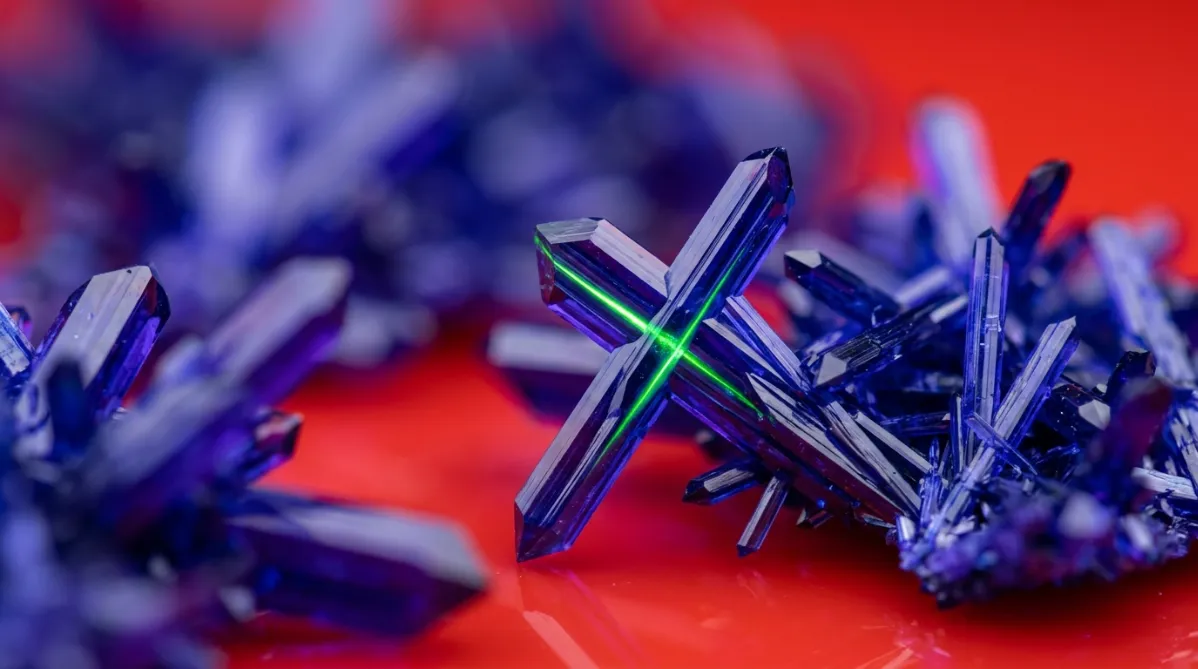
Macro science: an extreme close-up of GHK-Cu copper peptide crystals, deep blue-violet needle-like crystals with faceted edges, shot at a low three-quarter angle with a shallow depth of field so the nearest crystals are razor sharp and the rest dissolve into soft blur. The crystals sit on a smooth, glossy tomato-red backdrop that fills the frame, creating a bold color field. Lighting is a single large softbox from the upper left, giving crisp specular highlights on the crystal faces and a soft, warm-red bounce in the shadows. One tiny thread of electric green light refracts through a single crystal edge as a subtle accent. Mood: striking, precise, curious, scientific without feeling sterile. Photorealistic microscopy-meets-studio look, no text, no labels, no people.
peptides

GHK‑Cu ਕਾਪਰ ਪੈਪਟਾਈਡ: ਚਮੜੀ ਦੀ ਮੁਰੰਮਤ ਲਈ ਜ਼ੀਨੀ ਨੈੱਟਵਰਕ ਨੂੰ ਟਿਊਨ ਕਰ ਸਕਦਾ ਹੈ

BY NOVA CHEN ·

GHK‑Cu, ਜੋ ਕਈ ਸੈਰਮਾਂ ਵਿੱਚ ਮਿਲਣ ਵਾਲਾ ਕਾਪਰ ਪੈਪਟਾਈਡ ਹੈ, ਸਿਰਫ਼ ਹਾਈਡਰੇਸ਼ਨ ਤੋਂ ਕਈ ਗੁਣਾ ਵੱਧ ਕਾਰਜ ਕਰ ਸਕਦਾ ਹੈ। 2018 ਦੀ ਇੱਕ ਸਮੀਖਿਆ ਦਰਸਾਉਂਦੀ ਹੈ ਕਿ ਨਵੇਂ ਜ਼ੀਨ‑ਐਕਸਪ੍ਰੈਸ਼ਨ ਡਾਟਾ ਸਮਝਾ ਸਕਦੇ ਹਨ ਕਿ ਇਹ ਛੋਟੀ ਮੋਲਿਕਿਊਲ ਕਾਲਾਜਨ ਬਣਾਉਣ, ਟਿਸ਼ੂ ਮੁਰੰਮਤ, ਸੋਜ਼ਸ਼ ਕੰਟਰੋਲ ਅਤੇ ਇੱਥੋਂ ਤੱਕ ਕਿ DNA ਮੁਰੰਮਤ ਨਾਲ ਕਿਵੇਂ ਜੁੜੀ ਹੈ। ਇਹ ਲੇਖ ਉਮਰਦਰਾਜ਼ ਚਮੜੀ ਅਤੇ ਪੁਨਰਜੀਵਨ ਬਾਰੇ ਜੋ ਰਿਪੋਰਟ ਕਰਦਾ ਹੈ ਅਤੇ ਕਿੱਥੇ ਤੱਕ ਸਬੂਤ ਮੌਜੂਦ ਹਨ, ਉਨ੍ਹਾਂ ਦੀ ਵਿਵੇਚਨਾ ਕਰਦਾ ਹੈ। ਹਾਈਪ ਵਿੱਚ ਫਸਣ ਤੋਂ ਪਹਿਲਾਂ, ਟੌਪਿਕਲ ਵਰਤੋਂ ਦੀਆਂ ਮੌਜੂਦਾ ਚੇਤਾਵਨੀਆਂ ਅਤੇ ਇੱਕ ਸਮੀਖਿਆ ਕਿਹੜਾ ਦਿਖਾ ਸਕਦੀ ਹੈ, ਇਹ ਜਾਣੋ।

This page is available in