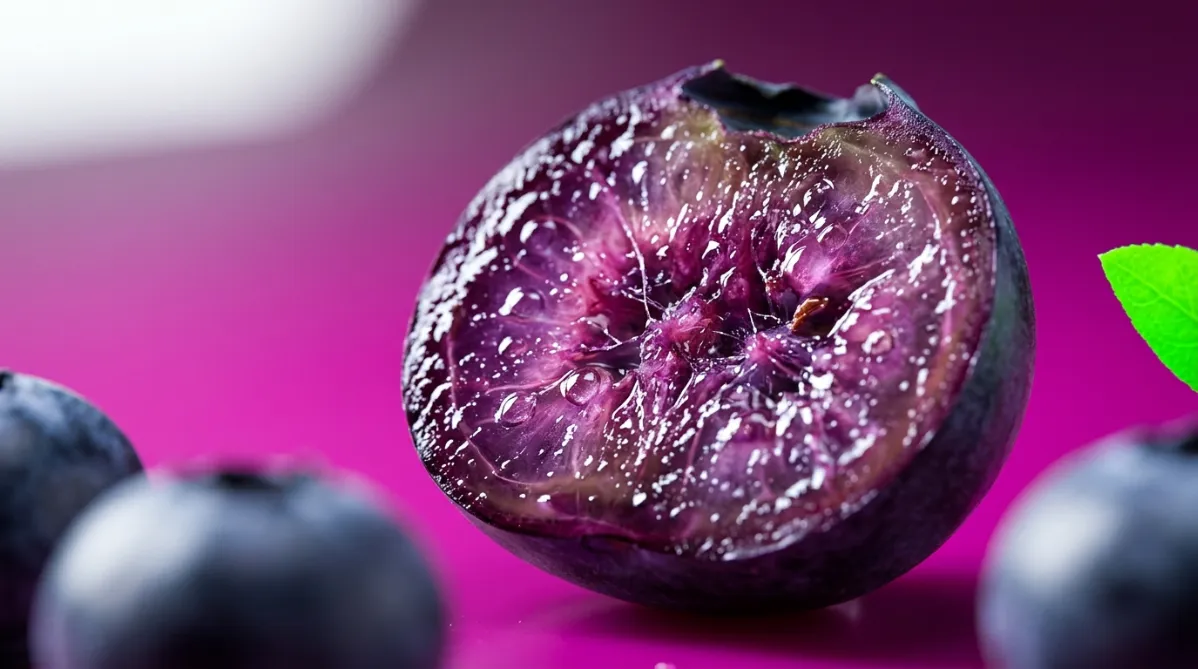
Blueberries may not be a fountain of youth, but one new Harvard‑linked analysis found a pattern that longevity nerds will want to see. In women under 55, the people eating the most anthocyanins, the pigments that make berries blue, purple and red, had longer telomeres. The gap was roughly the equivalent of 6.6 years of biological aging.
Yaban mersini gençlik iksiri olmayabilir, ancak Harvard ile bağlantılı yeni bir analiz, uzun ömür meraklılarının ilgisini çekecek bir örüntü ortaya koydu. 55 yaşın altındaki kadınlarda, en fazla antosiyanin (meyveleri mavi, mor ve kırmızı yapan pigment) tüketenlerin telomerleri daha uzundu. Bu fark, yaklaşık 6,6 yıl biyolojik yaşlanmaya eşdeğer.
Before you restock the freezer aisle, read the fine print. It matters a lot here.
Dondurucu rafını doldurmadan önce, detayları gözden geçirmeniz iyi olur; burada bu çok önemlidir.
What the researchers actually did
Araştırmacıların Gerçekten Ne Yaptığı
The study, published in GeroScience, analyzed data from 4,944 disease‑free women in the Nurses' Health Study. The team looked at habitual intake of five flavonoid subclasses:
- Flavonols → Flavonoller
- Flavones → Flavonlar
- Flavanones → Flavanonlar
- Flavan-3-ols and their polymers → Flavan‑3‑ol ve polimerleri
- Anthocyanins → Antosiyaninler
Intake came from food frequency questionnaires. Telomere length (TL) was measured in blood leukocytes using quantitative PCR. Telomeres are the protective caps on chromosome ends, and shorter ones are widely used as a marker of cellular aging.
Alım, gıda frekans anketleri aracılığıyla belirlendi. Telomer uzunluğu (TL), kan lökositlerinde kantitatif PCR yöntemiyle ölçüldü. Telomerler, kromozom uçlarını koruyan kapakçıklardır; daha kısaları ise hücresel yaşlanmanın yaygın bir göstergesi olarak kabul edilir.
No one had looked at habitual flavonoid intake and telomere length at the population level before. Earlier support came mostly from mechanistic work, meaning lab and cell studies.
Popülasyon düzeyinde, alışkanlık haline gelmiş flavonoid alımı ile telomer uzunluğu arasında daha önce kimse bir ilişki incelememişti. Önceki bulgular ise ağırlıklı olarak laboratuvar ve hücre çalışmaları gibi mekanistik araştırmalardan geliyordu.
The headline result is a subgroup result
Manşet Sonucu Bir Alt Grup Sonucudur
In the full group, no flavonoid subclass was significantly associated with telomere length. The authors say so directly: overall, habitual flavonoid intake was not associated with TL attrition.
Tam grup içinde, hiçbir flavonoid alt sınıfı telomer uzunluğu ile anlamlı bir ilişki göstermedi. Yazarlar bunu doğrudan belirtiyor: genel olarak, alışkanlık haline gelmiş flavonoid alımı TL azalmasıyla ilişkilendirilmedi.
The interesting signal appeared only after the researchers restricted the analysis to women under 55:
İlginç sinyal, araştırmacılar analizi yalnızca 55 yaşın altındaki kadınlarla sınırladıklarında ortaya çıktı:
- Higher anthocyanin intake was associated with longer telomeres (P‑trend = 0.042). The authors translate the difference between top and bottom quintiles to about 6.6 years of aging (95% CI, 1.7–14.5).
- Daha yüksek antosiyanin alımı, daha uzun telomerlerle ilişkilendirildi (P‑trend = 0.042). Yazarlar, en üst ve en alt beşli gruplar arasındaki farkı yaklaşık 6,6 yıl yaşlanma olarak yorumladı ( %95 CI, 1,7–14,5 ).
- Berry intake told a similar story. Women under 55 who ate two or more servings a week had longer telomeres than those who never or rarely ate them (P = 0.033 for trend). The top group's estimate was imprecise, with a wide error margin.
- Meyve tüketimi de benzer bir tablo çizdi. Haftada iki ya da daha fazla porsiyon meyve tüketen 55 yaş altı kadınların telomerleri, hiç ya da nadiren tüketenlere göre daha uzundu (P = 0.033 trend için). En üst grup tahmini belirsizdi ve geniş bir hata payı içeriyordu.
- Among pre‑menopausal women, the anthocyanin link was stronger (P‑trend = 0.001).
- Menopoza girmemiş kadınlar arasında antosiyanin bağlantısı daha belirgindi (P‑trend = 0.001).
The abstract's printed quintile figures for the under‑55 group look reversed relative to the conclusion, with the highest quintile listed lower than the lowest. The authors' stated conclusion is that higher intake went with longer telomeres. Check the full paper if exact values matter to you.
55 yaş altı grup için özet bölümündeki beşli sayılar, sonuçla çelişir şekilde ters görünüyor; en yüksek beşli en altta listelenmiş. Yazarların nihai çıkarımı, daha yüksek alımın daha uzun telomerlerle ilişkili olduğudur. Kesin değerlerin sizin için önemli olması durumunda tam makaleyi inceleyin.
Why you should not oversell this
Neden Abartmamalısınız
- No causation. Women who eat lots of berries may also exercise more, smoke less, or eat better overall. Statistical adjustment helps but cannot remove all of that.
- Neden‑sonuç ilişkisi yok. Çok meyve tüketen kadınlar aynı zamanda daha fazla egzersiz yapıyor, daha az sigara içiyor veya genel olarak daha iyi besleniyor olabilir. İstatistiksel ayarlama bu etkileri azaltır, ama tamamen ortadan kaldırmaz.
- No true "attrition." The title refers to telomere attrition, but a single blood draw captures one moment. It cannot show telomeres shortening over time.
- Gerçek bir "azalma" yok. Başlık telomer azalışına atıfta bulunuyor, ancak tek bir kan örneği sadece bir anı yansıtır; zaman içinde telomerlerin kısalmasını gösteremez.
- Subgroup finding. The age cutoff produced the signal. The P‑value of 0.042 is borderline, and subgroup analyses are more likely to produce chance results. The authors themselves say it warrants further investigation.
- Alt grup bulgusu. Yaş eşiği sinyali ortaya çıkardı. P‑değeri 0,042 sınırda ve alt grup analizleri tesadüfi sonuçlar üretme olasılığı daha yüksek. Yazarlar bile bunun daha fazla araştırma gerektirdiğini belirtiyor.
- Noisy measurements. Diet came from self‑reported questionnaires, and qPCR telomere length is a coarse biomarker. A longer leukocyte telomere is not a proven predictor of longer life or less disease for any individual.
- Gürültülü ölçümler. Diyet öz‑beyan anketlerinden alındı ve qPCR ile ölçülen telomer uzunluğu kaba bir biyobelirteçtir. Daha uzun lökosit telomerleri, birey bazında daha uzun yaşam ya da daha az hastalık için kanıtlanmış bir öngörücü değildir.
- Limited population. Participants were women in a cohort of nurses. The results say nothing about men.
- Sınırlı popülasyon. Katılımcılar, hemşirelerden oluşan bir kohortun kadınlarıydı; sonuçlar erkekler için genellenemez.
- Funding context. One author has received funding from the US Highbush Blueberry Council and advises its grant committee. The paper states that funders had no role in the study's design, analysis or writing, but the relationship is worth knowing about.
- Finansman bağlamı. Bir yazar, ABD Yüksek Çalı Mersini Konseyi'nden fon almış ve hibe komitesine danışmanlık yapmaktadır. Makale, fon sağlayıcıların çalışma tasarımı, analizi ya da yazımında bir rolü olmadığını belirtse de, bu ilişki bilinmesi gereken bir detaydır.
Practical takeaways
Pratik Çıkarımlar
Dose: The paper does not establish an anthocyanin dose. The only practical benchmark is food‑based: the berry finding compared two or more servings per week with little or none. Treat that as the pattern studied, not a prescription. This was about whole foods, not supplements, and nothing here supports extracts or megadoses.
Doz: Makale antosiyanin dozu belirlemiyor. Tek pratik ölçüt, gıda temelli: meyve bulgusu haftada iki ya da daha fazla porsiyon ile çok az ya da hiç tüketmeyenleri karşılaştırdı. Bunu incelenen desen olarak kabul edin, reçete gibi düşünmeyin. Çalışma tam gıdalarla ilgiliydi, takviyelerle değil ve özüt ya da mega dozları destekleyen bir veri yok.
Timing: No timing effect was tested. The data reflect long‑term habitual intake, so consistency is the relevant idea, not a specific time of day.
Zamanlama: Zamanlama etkisi test edilmedi. Veriler uzun vadeli alışkanlık alımını yansıtıyor; bu yüzden tutarlılık önemlidir, günün belirli bir saati değil.
Who it's relevant for: The signal showed up in women under 55, especially pre‑menopausal women. Older women showed nothing clear, and men were not studied. If you fall outside that group, this study gives you no particular reason to expect a telomere effect.
Kimler için geçerli: Sinyal 55 yaş altındaki kadınlarda, özellikle menopoza girmemiş kadınlarda ortaya çıktı. Daha büyük yaştaki kadınlarda net bir bulgu yok ve erkekler incelenmedi. Bu grubun dışında iseniz, çalışmanın telomer üzerinde bir etkisi olacağına dair özel bir neden sunmaz.
Realistic move: Adding berries a couple of times a week is cheap and low‑risk, and berries have other reasons to be in a healthy diet. Just don't expect this study to prove they will make you biologically younger.
Gerçekçi adım: Haftada birkaç kez meyve eklemek ucuz ve düşük riskli bir davranıştır; meyvelerin sağlıklı bir diyette yer almasının başka faydaları da vardır. Ancak bu çalışmanın sizi biyolojik olarak gençleştireceğini kanıtlayacağını beklemeyin.
The bottom line
Sonuç
This is a hypothesis‑generating finding, not a longevity hack. The best reading is that anthocyanin‑rich foods, particularly berries, might support healthy aging earlier in life, and that the question deserves prospective follow‑up. Studies that track telomere change over time and test berries or anthocyanins directly in randomized trials would be the real test. Until then, the "6.6 years" is an intriguing statistical association in one subgroup, not proof of reversed aging.
Bu bulgu bir hipotez üretme sonucudur, uzun ömür hilesi değildir. En makul yorum, antosiyanin açısından zengin gıdaların—özellikle meyvelerin—yaşamın erken dönemlerinde sağlıklı yaşlanmayı destekleyebileceği ve konunun ileriye dönük araştırmaları hak ettiği yönündedir. Zaman içinde telomer değişimini izleyen ve meyve ya da antosiyaninleri doğrudan randomize kontrollü denemelerde test eden çalışmalar gerçek sınav olacaktır. O zamana kadar "6,6 yıl" tek bir alt grupta gözlenen ilginç bir istatistiksel ilişkidir; yaşlanmanın tersine döndüğünün kanıtı değildir.